RedKalion
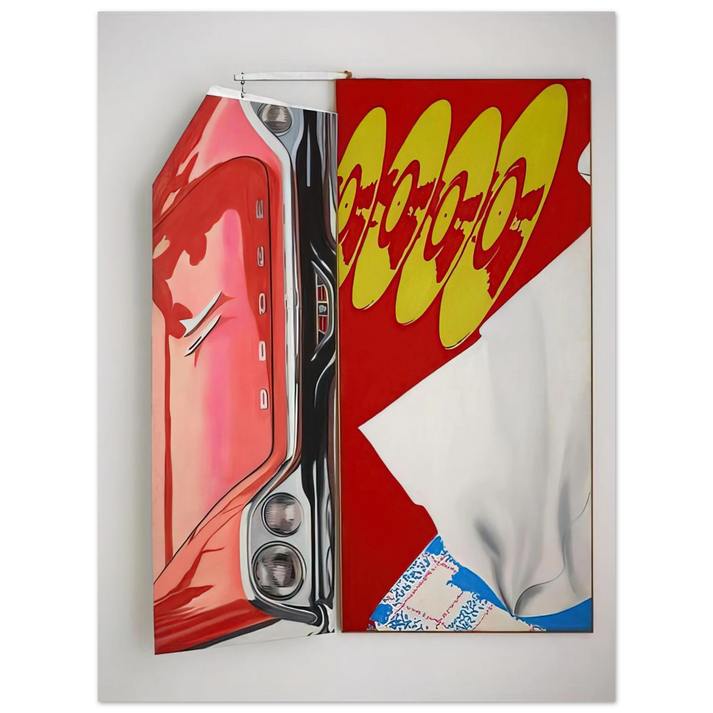
James Rosenquist - Disks 75x100 cm / 30x40inches Fine Art Poster
James Rosenquist - Disks 75x100 cm / 30x40inches Fine Art Poster
Couldn't load pickup availability
James Rosenquist - Disks: A Monumental Pop Art Masterpiece
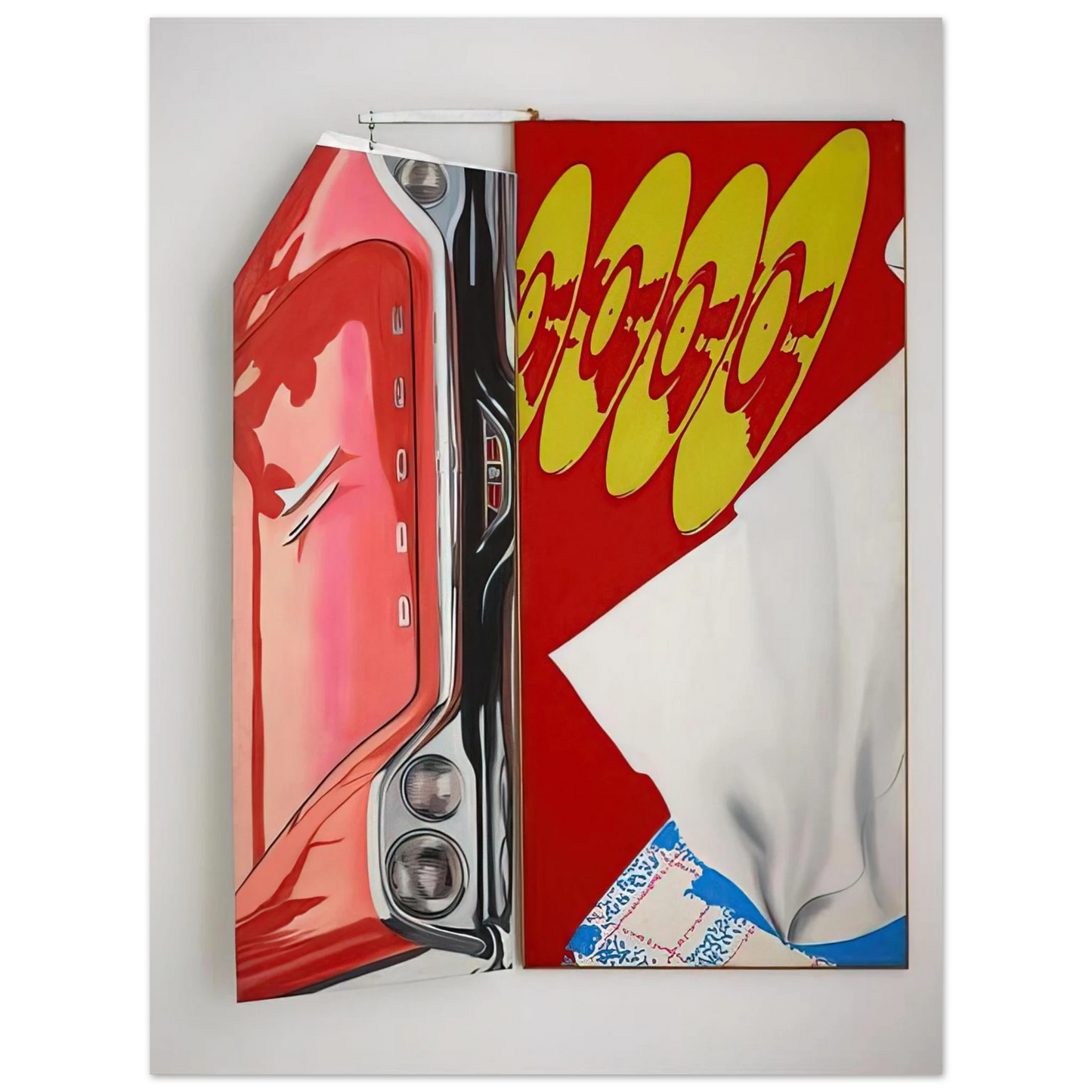
Experience the bold, fragmented vision of American Pop Art pioneer James Rosenquist with this museum-quality fine art print of "Disks". This iconic 75x100 cm (30x40 inches) reproduction captures the dynamic energy and cultural commentary that defined Rosenquist's groundbreaking work in the 1960s.
Rosenquist, a former billboard painter, masterfully employed commercial imagery and disjunctive scale to critique consumer culture. In "Disks", overlapping circular forms and vibrant, isolated details create a hypnotic visual rhythm that challenges perception and invites prolonged contemplation. This piece exemplifies his technique of "painting by the square inch," where each section is treated with equal intensity, resulting in a cohesive yet startlingly complex composition.
RedKalion presents this archival masterpiece on our exclusive Master's Edition paper, ensuring every color pop and textural nuance is preserved with gallery-grade precision. The matte, uncoated finish and natural white hue provide a luxurious, tactile surface that mirrors the depth of original works, free from glare for optimal viewing in any light.
- Premium Archival Quality: Printed on acid-free (pH above 7), FSC-certified paper to prevent yellowing and ensure longevity for generations.
- Substantial Feel: With a weight of 250 gsm (110 lb) and thickness of 0.29 mm (11.4 mils), this print offers a durable, substantial presence worthy of framing.
- Ethical Production: Sustainably sourced and printed on-demand, reflecting our commitment to both artistic integrity and environmental responsibility.
Elevate your space with a piece of art history that endures—a conversation-starting centerpiece that bridges mid-century innovation with contemporary sophistication.
Discover Unlimited Art Possibilities
At RedKalion, you can find virtually any artwork from any artist, available in a wide range of sizes to perfectly match your space.
If you didn’t find what you’re looking for, contact us at support@redkalion.com . We will source any artwork and produce it in any size and format you need, including art prints, posters, canvas, framed pieces, framed canvas, and more.
For dedicated art enthusiasts, we also offer handcrafted replicas of any artwork, carefully painted by highly skilled artists using traditional techniques.
For custom requests, contact us at support@redkalion.com .
What are the dimensions of this James Rosenquist "Disks" fine art print?
This museum-quality reproduction measures 75x100 cm (30x40 inches), perfect for creating a bold statement in any room with its substantial Pop Art presence.
What type of paper is used for this archival art print?
It's printed on Master's Edition archival paper, a matte, uncoated, natural white sheet that ensures vibrant color reproduction and a luxurious texture for long-lasting fine art displays.
How is this print shipped and is there a minimum order?
We offer no minimum orders and print on-demand, with careful packaging to protect your James Rosenquist poster during transit for a seamless delivery experience.
Will this art print yellow over time?
No, it uses acid-free paper with a pH above 7 to prevent yellowing, making it an archival-grade reproduction that maintains its quality for decades.
What is the weight and thickness of the paper?
The paper is 250 gsm (110 lb) with a thickness of 0.29 mm (11.4 mils), providing a durable, premium feel ideal for framing and preserving this Pop Art masterpiece.
What artistic technique did James Rosenquist use in "Disks"?
Rosenquist applied his "painting by the square inch" method, treating each section with equal intensity to create a cohesive yet fragmented composition that critiques consumer culture.
Why is "Disks" significant in Pop Art history?
As a key work from the 1960s, it exemplifies Rosenquist's use of commercial imagery and disjunctive scale to challenge perception, reflecting the era's cultural shifts and innovation in fine art prints.