RedKalion
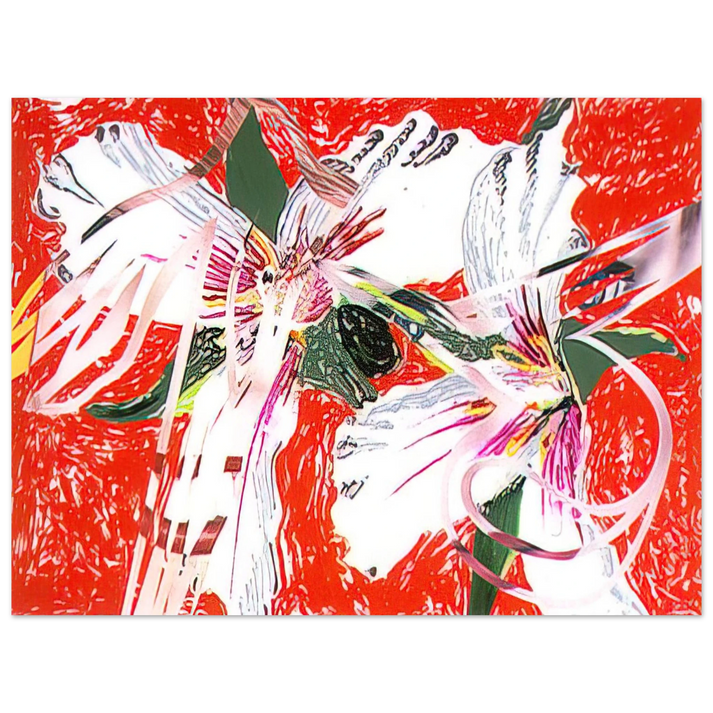
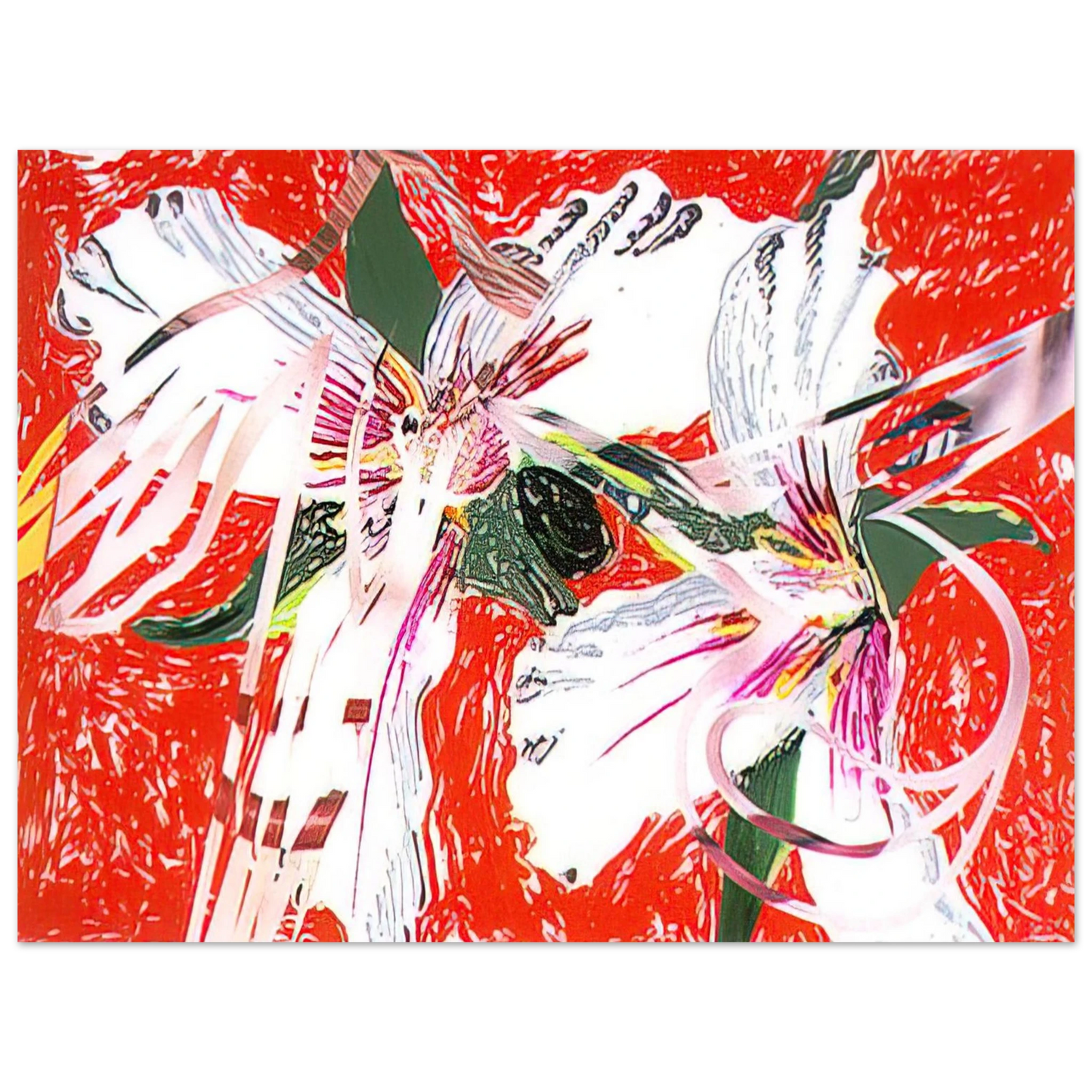
James Rosenquist - Sister Shrieks 75x100 cm / 30x40inches Fine Art Poster
James Rosenquist - Sister Shrieks 75x100 cm / 30x40inches Fine Art Poster
Couldn't load pickup availability
James Rosenquist - Sister Shrieks: A Monumental Pop Art Masterpiece
Immerse yourself in the bold, fragmented world of American Pop Art with this museum-quality fine art print of James Rosenquist's "Sister Shrieks". This iconic 75x100 cm (30x40 inches) reproduction captures the artist's signature collage-like composition, where disjunctive imagery—drawn from advertising, consumer culture, and personal memory—collides to critique postwar American society. Rosenquist, a former billboard painter, masterfully employed commercial techniques to create large-scale works that challenge perception and narrative, making "Sister Shrieks" a quintessential example of 1960s artistic innovation.
At RedKalion, we curate only the most exceptional archival reproductions. This print is produced on our exclusive Master's Edition archival paper, featuring a matte, uncoated finish in a natural white hue that enhances the artwork's vibrant contrasts and luxurious texture. Crafted from FSC-certified, acid-free paper (pH above 7), it ensures lasting brilliance without yellowing, with a substantial weight of 250 gsm (110 lb) and thickness of 0.29 mm (11.4 mils) for a premium feel. Each piece is printed and shipped on demand, with no minimum orders, allowing you to elevate your space with an archival masterpiece that endures.
Did you know? Rosenquist often sourced his imagery from magazines and advertisements, cutting and reassembling them in his studio to create surreal, commentary-rich scenes—a technique that blurred the lines between fine art and mass media, revolutionizing visual culture.
Discover Unlimited Art Possibilities
At RedKalion, you can find virtually any artwork from any artist, available in a wide range of sizes to perfectly match your space.
If you didn’t find what you’re looking for, contact us at support@redkalion.com . We will source any artwork and produce it in any size and format you need, including art prints, posters, canvas, framed pieces, framed canvas, and more.
For dedicated art enthusiasts, we also offer handcrafted replicas of any artwork, carefully painted by highly skilled artists using traditional techniques.
For custom requests, contact us at support@redkalion.com .
What are the dimensions of this James Rosenquist Sister Shrieks fine art print?
This museum-quality reproduction measures 75x100 cm (30x40 inches), perfect for creating a bold statement in any interior space with its large-scale Pop Art impact.
What type of paper is used for this archival print?
It's printed on Master's Edition archival paper, featuring a matte, uncoated finish in natural white for a luxurious texture and long-lasting fine art quality.
How durable is this print against fading or yellowing?
Crafted from acid-free paper with a pH above 7, this FSC-certified print resists yellowing over time, ensuring your Pop Art masterpiece retains its vibrant colors for decades.
What is the weight and thickness of the paper?
The paper has a premium weight of 250 gsm (110 lb) and a thickness of 0.29 mm (11.4 mils), providing a substantial, gallery-worthy feel for your James Rosenquist artwork.
How does the on-demand printing and shipping process work?
RedKalion offers no minimum orders, with each print produced and shipped on demand to ensure fresh, high-quality reproductions of this iconic Pop Art piece delivered directly to you.
What artistic techniques did James Rosenquist use in Sister Shrieks?
Rosenquist employed collage-like compositions from advertising imagery, using his background as a billboard painter to create fragmented, surreal scenes that critique 1960s consumer culture.
Why is Sister Shrieks significant in Pop Art history?
As a key work from the 1960s, it exemplifies Rosenquist's innovative blend of commercial and fine art, challenging narratives and reflecting postwar American society through disjunctive visual elements.