
RedKalion
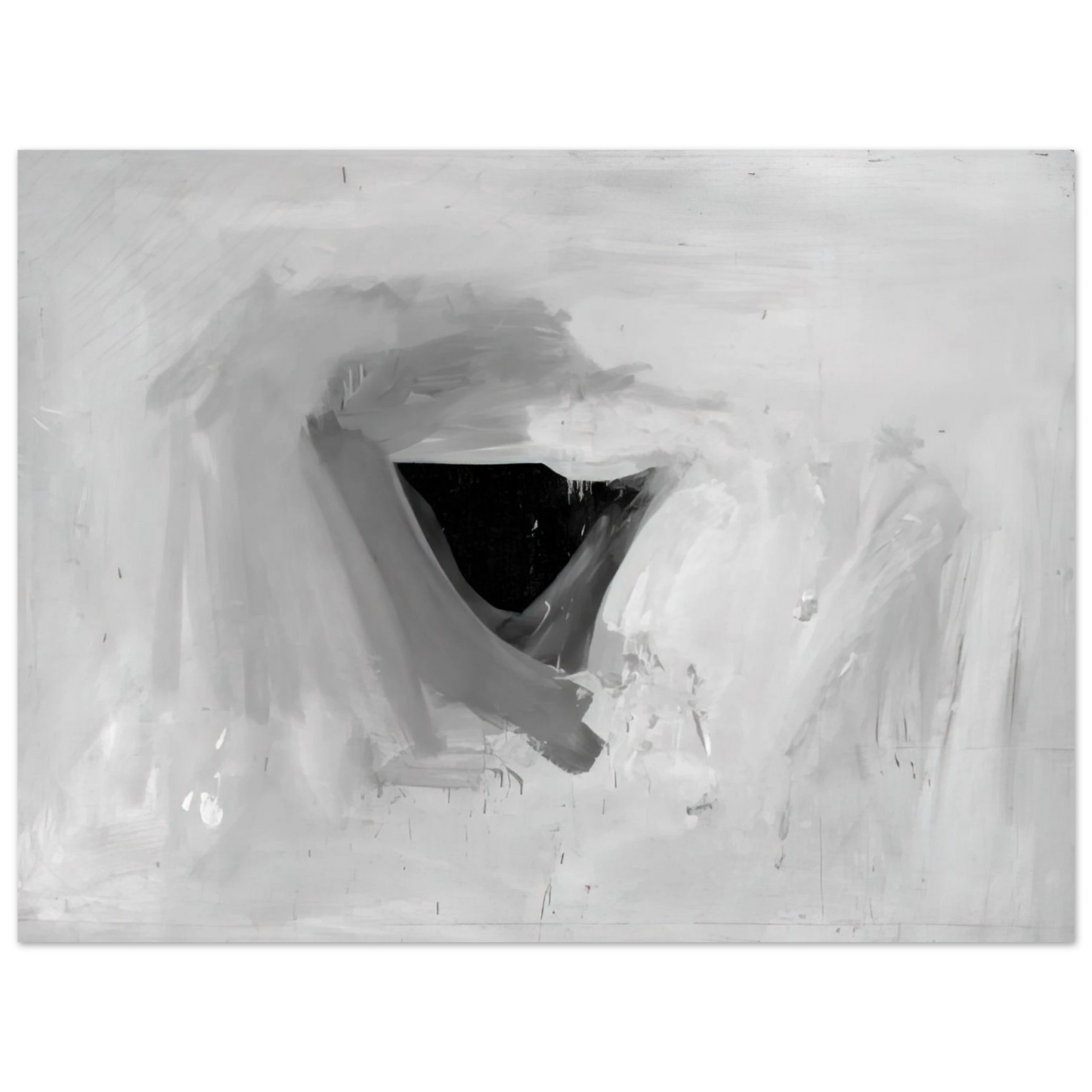
Jay DeFeo - Jay DeFeo/BIG/Easter Lily 75x100 cm / 30x40inches Fine Art Poster
Jay DeFeo - Jay DeFeo/BIG/Easter Lily 75x100 cm / 30x40inches Fine Art Poster
Couldn't load pickup availability
Jay DeFeo - Jay DeFeo/BIG/Easter Lily: A Monumental Floral Study
Immerse yourself in the raw, textured beauty of Jay DeFeo's Jay DeFeo/BIG/Easter Lily, now available as a museum-quality fine art print from RedKalion. This striking 75x100 cm (30x40 inches) reproduction captures the artist's intense, almost sculptural approach to painting, where the Easter Lily emerges not as a delicate bloom but as a powerful, almost architectural form. DeFeo, a central figure in the 1950s San Francisco Beat and Funk art scenes, was renowned for her labor-intensive, layered technique—often building paintings over years into dense, relief-like surfaces. This print honors that physicality, transforming her exploration of organic growth and symbolic weight into a commanding visual statement for your space.
Our Master's Edition archival paper ensures this fine art poster is a lasting tribute. The matte, uncoated finish and natural white (off-white) hue provide a luxurious texture that echoes the tactile quality of DeFeo's original work, free from glare for optimal viewing. Crafted from FSC-certified paper, it is acid-free (pH above 7) to prevent yellowing, with a substantial weight of 250 gsm (110 lb) and thickness of 0.29 mm (11.4 mils) for durability. Printed and shipped on demand with no minimum orders, RedKalion delivers an archival masterpiece that endures, inviting contemplation of nature's monumental grace.
Elevate your home or office with this premium art reproduction, where DeFeo's bold floral study becomes a focal point of artistic depth and historical resonance. Trust RedKalion as your curator for world-class, archival-grade prints that bridge the gap between gallery excellence and personal collection.
Discover Unlimited Art Possibilities
At RedKalion, you can find virtually any artwork from any artist, available in a wide range of sizes to perfectly match your space.
If you didn’t find what you’re looking for, contact us at support@redkalion.com . We will source any artwork and produce it in any size and format you need, including art prints, posters, canvas, framed pieces, framed canvas, and more.
For dedicated art enthusiasts, we also offer handcrafted replicas of any artwork, carefully painted by highly skilled artists using traditional techniques.
For custom requests, contact us at support@redkalion.com .
What are the dimensions of this Jay DeFeo fine art print?
This museum-quality reproduction measures 75x100 cm (30x40 inches), perfectly capturing the scale and impact of DeFeo's original floral study for a bold display.
What type of paper is used for this archival art print?
It's printed on Master's Edition archival paper, a matte, uncoated, natural white (off-white) sheet that offers a luxurious texture and prevents yellowing over time.
How is this print shipped and are there order minimums?
We print and ship on demand with no minimum orders, ensuring fresh, high-quality fulfillment directly to you for convenience.
Is this Jay DeFeo poster acid-free for long-term display?
Yes, it's acid-free (pH above 7) on FSC-certified paper, designed to resist fading and maintain vibrancy as a durable fine art reproduction.
What is the weight and thickness of the paper for this artwork?
The paper is 250 gsm (110 lb) with a thickness of 0.29 mm (11.4 mils), providing a substantial feel ideal for framing and preservation.
Who was Jay DeFeo and why is this Easter Lily artwork significant?
Jay DeFeo was a key Beat and Funk artist known for her layered, sculptural paintings; this piece reflects her intense, symbolic approach to natural forms in 1950s San Francisco art.
What artistic techniques did DeFeo use in her original works?
DeFeo employed labor-intensive, thickly layered techniques, often building paintings over years into dense, relief-like surfaces that emphasized physical texture and organic growth.