

RedKalion
JAZZ BOOK 1947 - Henri Matisse Brushed Aluminum Print - 70x100 cm / 28x40 inches | Henri Matisse Aluminum Print | Henri Matisse Prints
JAZZ BOOK 1947 - Henri Matisse Brushed Aluminum Print - 70x100 cm / 28x40 inches | Henri Matisse Aluminum Print | Henri Matisse Prints
Couldn't load pickup availability
Jazz Book 1947 - Henri Matisse Brushed Aluminum Print
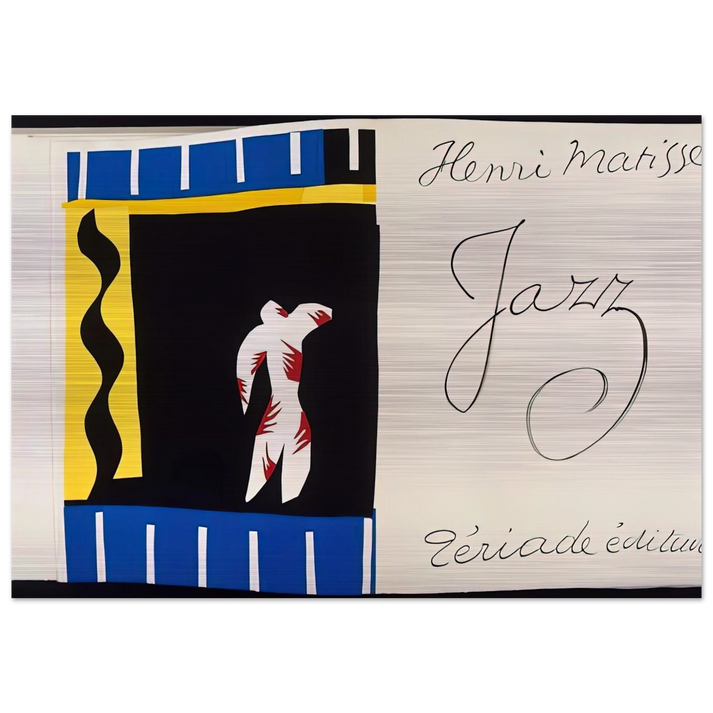
Immerse yourself in the vibrant, revolutionary artistry of Henri Matisse with this museum-quality aluminum print from his iconic 1947 Jazz book. This archival-grade reproduction captures the bold, expressive cut-outs that defined Matisse's late career, where he transformed painted paper into dynamic compositions of color and form. The Jazz series, originally created as a limited-edition artist's book, represents a pinnacle of modern art, blending spontaneity with meticulous craftsmanship to evoke joy, rhythm, and visual poetry.
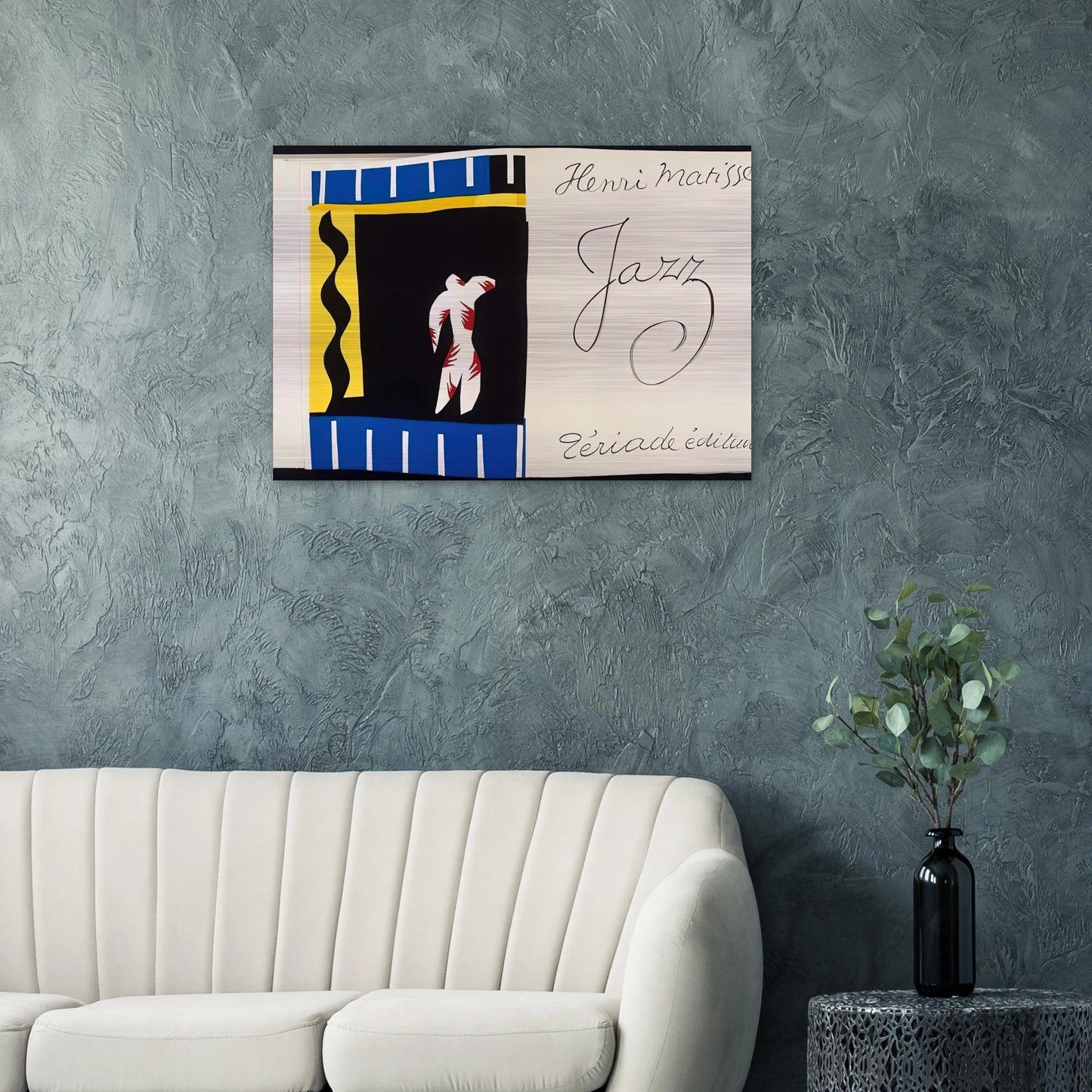
RedKalion's premium print is meticulously crafted on brushed silver Aluminum DIBOND®, featuring a 3mm (0.12") thickness for a durable, rigid base that ensures longevity. The direct print on AluDibond delivers vivid, fade-resistant colors with a matte, glare-free finish, while unprinted white areas reveal a striking metallic silver effect that enhances the artwork's contrast and depth. Measuring 70x100 cm / 28x40 inches, this piece is ideal for contemporary interiors, offering a sophisticated statement that bridges historical significance with modern aesthetics.
Elevate your space with an archival masterpiece that endures, backed by RedKalion's commitment to fine art reproduction excellence. Each print includes a hanging kit for seamless display, making it a trusted choice for collectors and design enthusiasts seeking authentic, high-impact decor.


Discover Unlimited Art Possibilities
At RedKalion, you can find virtually any artwork from any artist, available in a wide range of sizes to perfectly match your space.
If you didn’t find what you’re looking for, contact us at support@redkalion.com . We will source any artwork and produce it in any size and format you need, including art prints, posters, canvas, framed pieces, framed canvas, and more.
For dedicated art enthusiasts, we also offer handcrafted replicas of any artwork, carefully painted by highly skilled artists using traditional techniques.
For custom requests, contact us at support@redkalion.com .
What is the historical significance of Matisse's Jazz Book 1947?
Henri Matisse's Jazz book from 1947 is a landmark in modern art, featuring 20 vibrant cut-out compositions that revolutionized his late career. Created during his recovery from illness, it blends spontaneity with color theory, symbolizing freedom and joy in post-war art.
How does the brushed aluminum material enhance this Matisse print?
The brushed silver Aluminum DIBOND® with a metallic finish and horizontal grain adds a dynamic, contemporary look to Matisse's cut-outs. It ensures vivid colors and a matte finish, with unprinted areas revealing a striking silver effect for premium fine art prints.
What are the specifications of this aluminum print?
This museum-quality reproduction measures 70x100 cm / 28x40 inches, with a 3mm thickness for durability. It features direct printing on AluDibond for archival longevity and includes a hanging kit, making it ideal for high-end home decor.
How is the print shipped and what is included?
Each print is carefully packaged to prevent damage during transit. A hanging kit is included, though specifics may vary by fulfillment country, ensuring secure display for your Matisse aluminum print.
Is this print archival and fade-resistant?
Yes, the direct print on Aluminum DIBOND® uses high-quality inks that are fade-resistant, offering archival longevity. The matte finish protects against glare, preserving the artwork's vibrant colors for years.
Why did Matisse use cut-outs in his Jazz series?
Matisse turned to cut-outs in his later years due to limited mobility, using painted paper to create dynamic, large-scale compositions. This technique allowed him to explore color and form with a sense of freedom, as seen in the Jazz book's expressive designs.
How does the metallic finish affect the artwork's appearance?
The metallic finish on the brushed aluminum enhances the contrast and depth of Matisse's cut-outs, with unprinted white areas reflecting light to create a shimmering effect. This adds a modern, luxurious touch to the museum-quality reproduction.