RedKalion
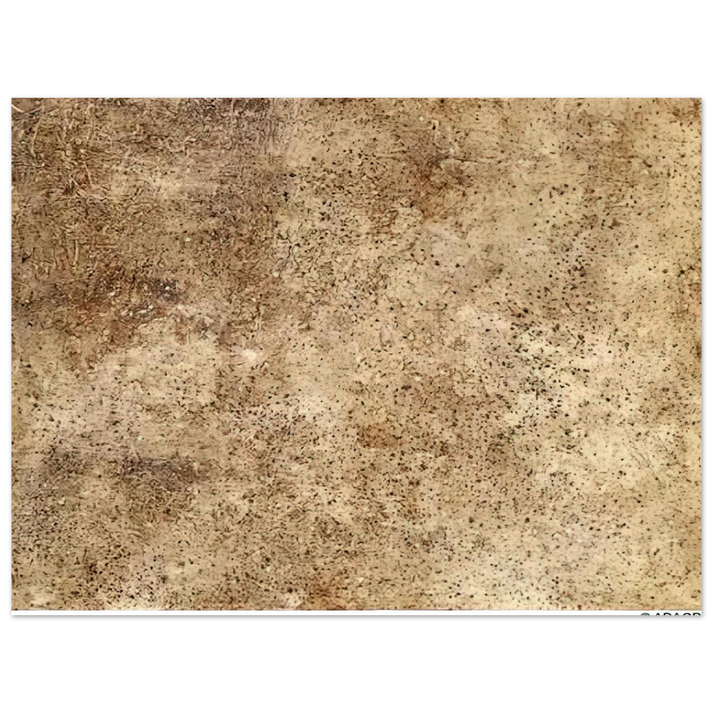
Jean Dubuffet - EARTH S MANTLE 75x100 cm / 30x40inches Fine Art Poster
Jean Dubuffet - EARTH S MANTLE 75x100 cm / 30x40inches Fine Art Poster
Couldn't load pickup availability
Jean Dubuffet - EARTH'S MANTLE: A Premier Fine Art Print
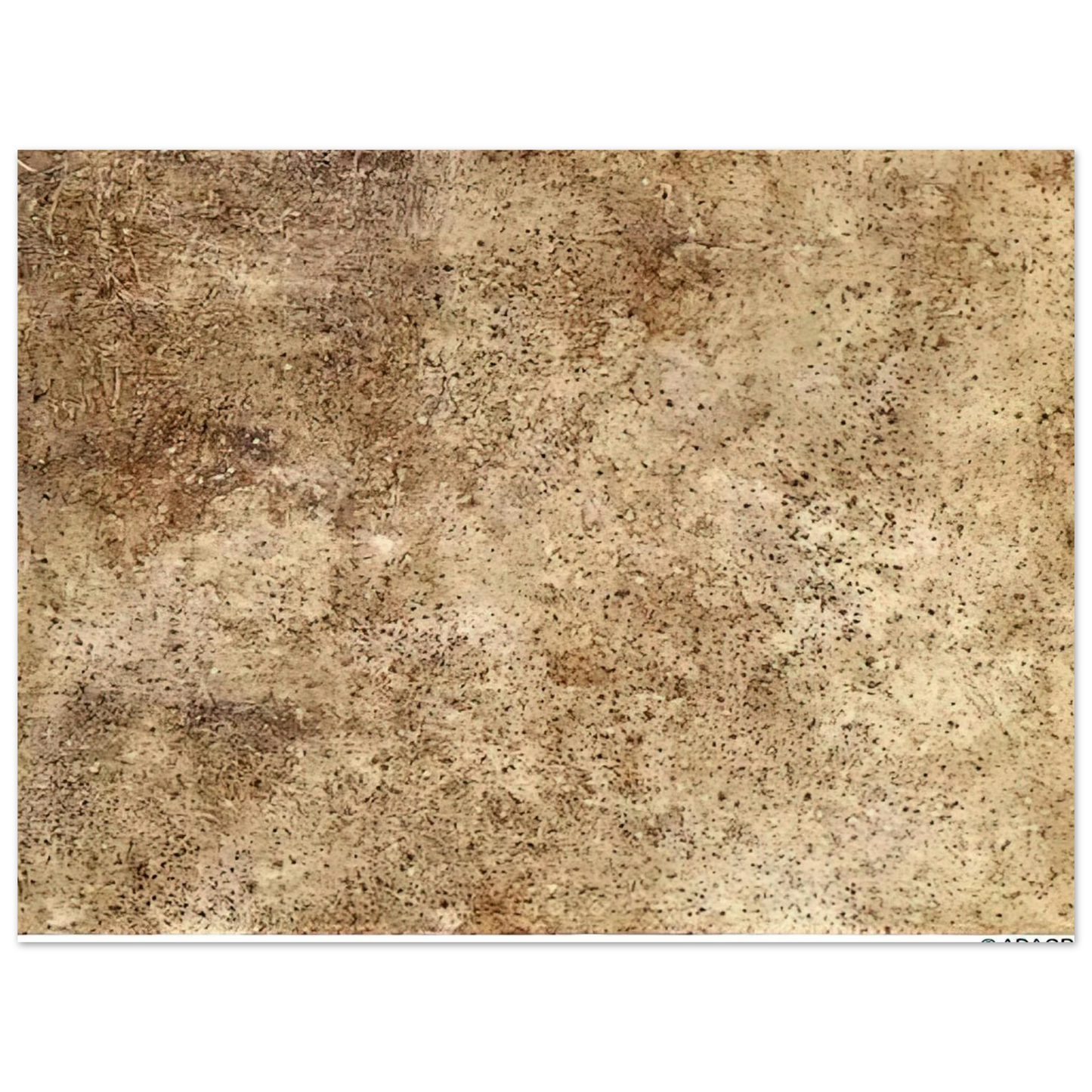
Immerse yourself in the raw, primal energy of Jean Dubuffet's "EARTH'S MANTLE", now available as a museum-quality reproduction from RedKalion. This iconic work from the pioneering French artist captures the essence of his Art Brut philosophy, rejecting conventional aesthetics to celebrate the untamed creativity found in outsider art. Dubuffet's dynamic, textured composition evokes the geological forces shaping our planet, rendered with a visceral intensity that challenges traditional artistic norms. Created in the mid-20th century, this piece reflects his fascination with organic forms and spontaneous expression, making it a profound statement for modern interiors.
RedKalion presents this masterpiece as a fine art print on our exclusive Master's Edition archival paper. Crafted for longevity, the paper is acid-free (pH above 7) to prevent yellowing, ensuring your investment endures for generations. The matte, uncoated finish in a natural white hue enhances the artwork's tactile quality, while the substantial 250 gsm (110 lb) weight and 0.29 mm (11.4 mils) thickness provide a luxurious, gallery-worthy presence. Printed on FSC-certified sustainable paper, this reproduction aligns with ethical standards without compromising on visual impact.
Elevate your space with an archival masterpiece that endures, expertly reproduced to honor Dubuffet's revolutionary vision. Each print is meticulously crafted on demand, offering a personalized touch for discerning collectors.
Discover Unlimited Art Possibilities
At RedKalion, you can find virtually any artwork from any artist, available in a wide range of sizes to perfectly match your space.
If you didn’t find what you’re looking for, contact us at support@redkalion.com . We will source any artwork and produce it in any size and format you need, including art prints, posters, canvas, framed pieces, framed canvas, and more.
For dedicated art enthusiasts, we also offer handcrafted replicas of any artwork, carefully painted by highly skilled artists using traditional techniques.
For custom requests, contact us at support@redkalion.com .
What are the dimensions of this Jean Dubuffet fine art print?
This museum-quality reproduction measures 75x100 cm (30x40 inches), perfect for creating a bold statement in any room with its archival-grade presence.
What type of paper is used for this Earth's Mantle poster?
It's printed on Master's Edition archival paper, featuring a matte, uncoated finish in natural white for a luxurious texture that enhances Dubuffet's raw artistic style.
How does the acid-free paper ensure longevity for this art print?
The acid-free paper (pH above 7) prevents yellowing over time, making this fine art reproduction a durable investment that maintains its vibrant quality for decades.
What is the weight and thickness of this museum-quality poster?
With a weight of 250 gsm (110 lb) and thickness of 0.29 mm (11.4 mils), this print offers a substantial, premium feel ideal for high-end framing and display.
Is this Jean Dubuffet print sustainably produced?
Yes, it uses FSC-certified paper, ensuring eco-friendly production for this Earth's Mantle reproduction without compromising on archival standards.
What is Art Brut, and how does it relate to Dubuffet's Earth's Mantle?
Art Brut, or "raw art," was Dubuffet's movement celebrating untrained artists' creativity; Earth's Mantle embodies this with its organic, textured forms that defy conventional aesthetics.
How does Dubuffet's technique in Earth's Mantle reflect his artistic philosophy?
Dubuffet used spontaneous, layered applications to mimic geological processes, emphasizing materiality and primal expression over traditional refinement in this iconic work.