RedKalion
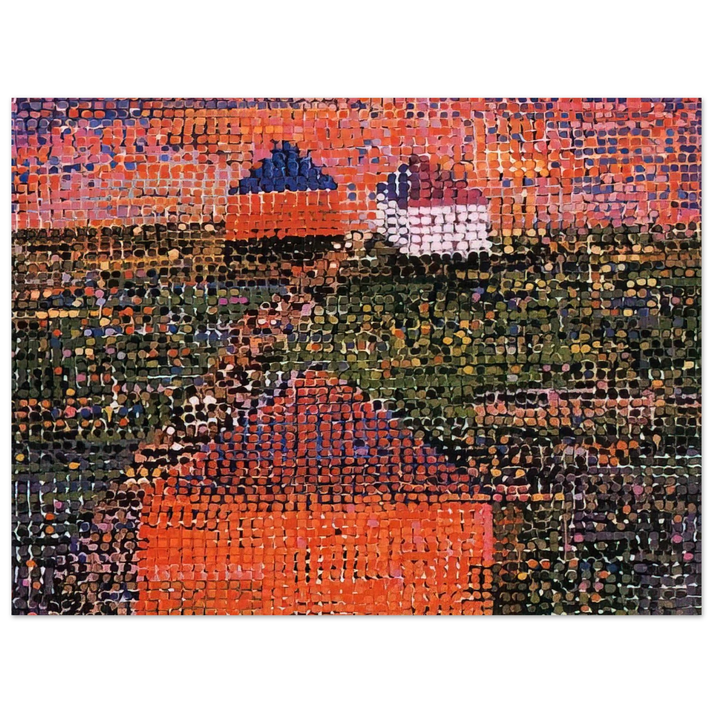
Jennifer Bartlett - Houses - 2005 75x100 cm / 30x40inches Fine Art Poster
Jennifer Bartlett - Houses - 2005 75x100 cm / 30x40inches Fine Art Poster
Couldn't load pickup availability
Jennifer Bartlett - Houses (2005) - Museum-Quality Fine Art Print
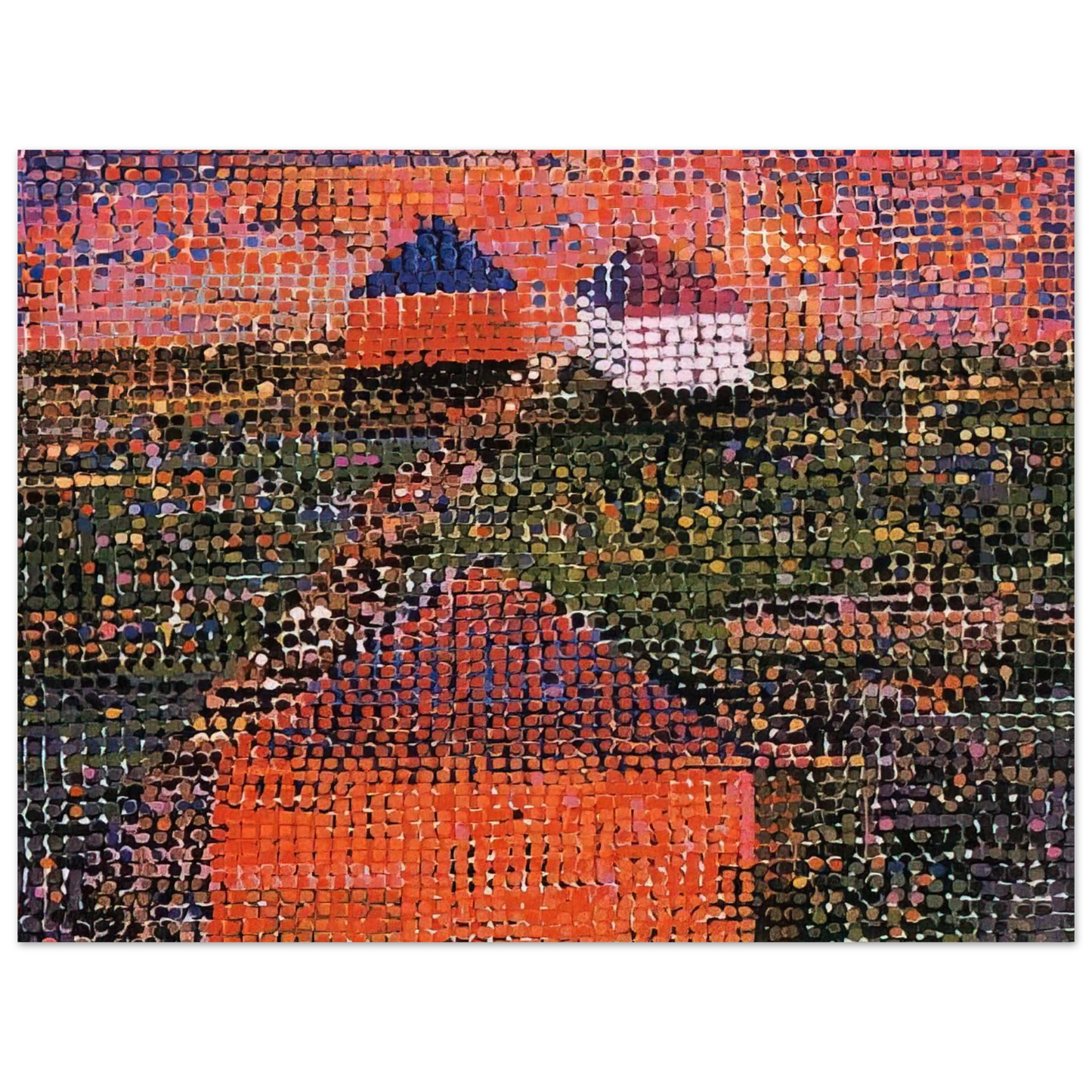
Immerse yourself in the structured elegance of Jennifer Bartlett's "Houses" (2005), a contemporary masterpiece now available as a premium fine art print from RedKalion. This 75x100 cm (30x40 inches) reproduction captures Bartlett's distinctive grid-based composition, where geometric forms and subtle color variations explore themes of domesticity, memory, and architectural rhythm. Created during her mature period, this work exemplifies Bartlett's innovative fusion of painting and conceptual art, inviting viewers into a serene yet intellectually engaging visual dialogue.
RedKalion presents this archival-grade print on our exclusive Master's Edition paper, ensuring every detail—from the precise lines to the nuanced hues—is rendered with museum-quality fidelity. The matte, uncoated finish and natural white (off-white) surface provide a luxurious texture that enhances the artwork's tactile presence, while the 250 gsm (110 lb) weight and 0.29 mm (11.4 mils) thickness offer substantial durability. Crafted from acid-free, FSC-certified materials with a pH above 7, this print is designed to resist yellowing and endure for generations, making it a sustainable investment for discerning collectors.
Elevate your space with an archival masterpiece that endures, printed and shipped on demand with no minimum orders. Trust RedKalion to deliver a reproduction that honors Bartlett's artistic legacy with uncompromising precision.
Discover Unlimited Art Possibilities
At RedKalion, you can find virtually any artwork from any artist, available in a wide range of sizes to perfectly match your space.
If you didn’t find what you’re looking for, contact us at support@redkalion.com . We will source any artwork and produce it in any size and format you need, including art prints, posters, canvas, framed pieces, framed canvas, and more.
For dedicated art enthusiasts, we also offer handcrafted replicas of any artwork, carefully painted by highly skilled artists using traditional techniques.
For custom requests, contact us at support@redkalion.com .
What are the dimensions and details of this Jennifer Bartlett "Houses" fine art print?
This museum-quality reproduction measures 75x100 cm (30x40 inches), capturing the original 2005 artwork's grid-based composition and subtle color variations in a premium archival print.
What type of paper is used for this fine art poster?
It's printed on Master's Edition archival paper, featuring a matte, uncoated finish with a natural white (off-white) surface for a luxurious texture and enhanced durability.
How long will this archival print last without yellowing?
Made from acid-free materials with a pH above 7, this FSC-certified paper ensures long-term preservation and prevents yellowing over time for generations.
What is the weight and thickness of the paper?
The paper has a substantial 250 gsm (110 lb) weight and 0.29 mm (11.4 mils) thickness, providing a durable and premium feel for your fine art display.
How is this print shipped and are there minimum orders?
We offer on-demand printing and shipping with no minimum orders, ensuring timely delivery of your museum-quality reproduction directly to your door.
What artistic techniques did Jennifer Bartlett use in "Houses" (2005)?
Bartlett employed a grid-based composition with geometric forms and subtle color shifts, blending painting and conceptual art to explore themes of domesticity and architecture.
Why is "Houses" (2005) significant in contemporary art history?
This work represents Bartlett's mature period, showcasing her innovative approach to structure and memory, making it a key piece in understanding late 20th-century American art.