RedKalion
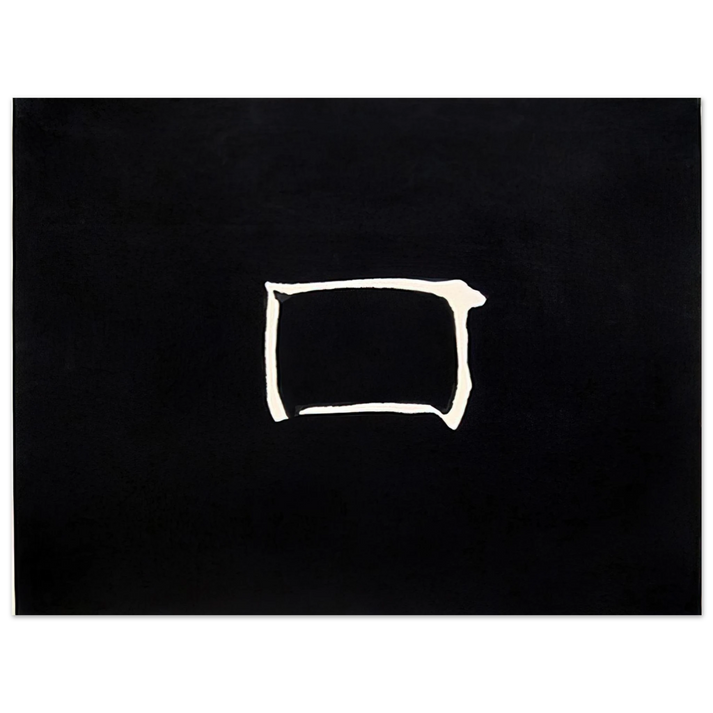
Jiro Yoshihara - Work - 1971 75x100 cm / 30x40inches Fine Art Poster
Jiro Yoshihara - Work - 1971 75x100 cm / 30x40inches Fine Art Poster
Couldn't load pickup availability
Jiro Yoshihara - Work (1971): A Monumental Abstract Masterpiece
Elevate your space with Jiro Yoshihara's "Work" (1971), a commanding abstract painting now available as a museum-quality fine art print from RedKalion. This 75x100 cm (30x40 inches) reproduction captures the raw energy and minimalist precision of Yoshihara's groundbreaking work, offering a piece of art history for your home or office.
As a founding member of the Gutai group, Yoshihara pioneered post-war Japanese avant-garde art, emphasizing spontaneity and materiality. "Work" from 1971 exemplifies his late-period exploration of monochromatic abstraction, where bold, gestural brushstrokes interact with negative space to evoke a sense of dynamic balance and philosophical depth. This fine art poster is not merely a decoration but a conversation starter, imbuing any room with sophistication and intellectual intrigue.
RedKalion ensures every detail honors the original. Printed on our exclusive Master's Edition archival paper, this piece features a matte, uncoated finish in a natural white hue that enhances texture and minimizes glare. The acid-free (pH above 7) composition guarantees longevity, resisting yellowing for generations. With a substantial 250 gsm (110 lb) weight and 0.29 mm (11.4 mils) thickness, it feels luxurious to the touch, while the FSC-certified paper reflects our commitment to sustainability. Printed and shipped on demand with no minimum orders, this archival masterpiece arrives ready to inspire.
Own a slice of avant-garde history—Jiro Yoshihara's "Work" is more than a print; it's an enduring statement of artistic innovation.
Discover Unlimited Art Possibilities
At RedKalion, you can find virtually any artwork from any artist, available in a wide range of sizes to perfectly match your space.
If you didn’t find what you’re looking for, contact us at support@redkalion.com . We will source any artwork and produce it in any size and format you need, including art prints, posters, canvas, framed pieces, framed canvas, and more.
For dedicated art enthusiasts, we also offer handcrafted replicas of any artwork, carefully painted by highly skilled artists using traditional techniques.
For custom requests, contact us at support@redkalion.com .
What are the dimensions of this Jiro Yoshihara fine art print?
This museum-quality reproduction measures 75x100 cm (30x40 inches), perfectly capturing the scale and impact of Yoshihara's original 1971 abstract painting for your space.
What type of paper is used for this archival print?
It's printed on Master's Edition archival paper, featuring a matte, uncoated finish in natural white for a luxurious texture that enhances this abstract masterpiece's visual depth.
How does the acid-free paper ensure longevity?
With a pH above 7, this acid-free paper prevents yellowing over time, making it a durable, museum-quality reproduction that lasts for generations without degradation.
What is the weight and thickness of the paper?
The paper is 250 gsm (110 lb) with a thickness of 0.29 mm (11.4 mils), offering a premium, substantial feel ideal for framing and displaying this fine art poster.
Is the paper sustainably sourced?
Yes, it's FSC-certified paper, ensuring responsible forestry practices, so you can enjoy this Jiro Yoshihara artwork with an eco-conscious choice.
What was Jiro Yoshihara's role in the Gutai art movement?
Jiro Yoshihara was a founding member of the Gutai group, a post-war Japanese avant-garde movement that emphasized spontaneity, material experimentation, and abstract expressionism, influencing global modern art.
How does "Work" (1971) reflect Yoshihara's artistic style?
"Work" from 1971 showcases Yoshihara's late-period focus on monochromatic abstraction, using bold, gestural brushstrokes and negative space to create dynamic balance and philosophical depth in this minimalist piece.