
RedKalion
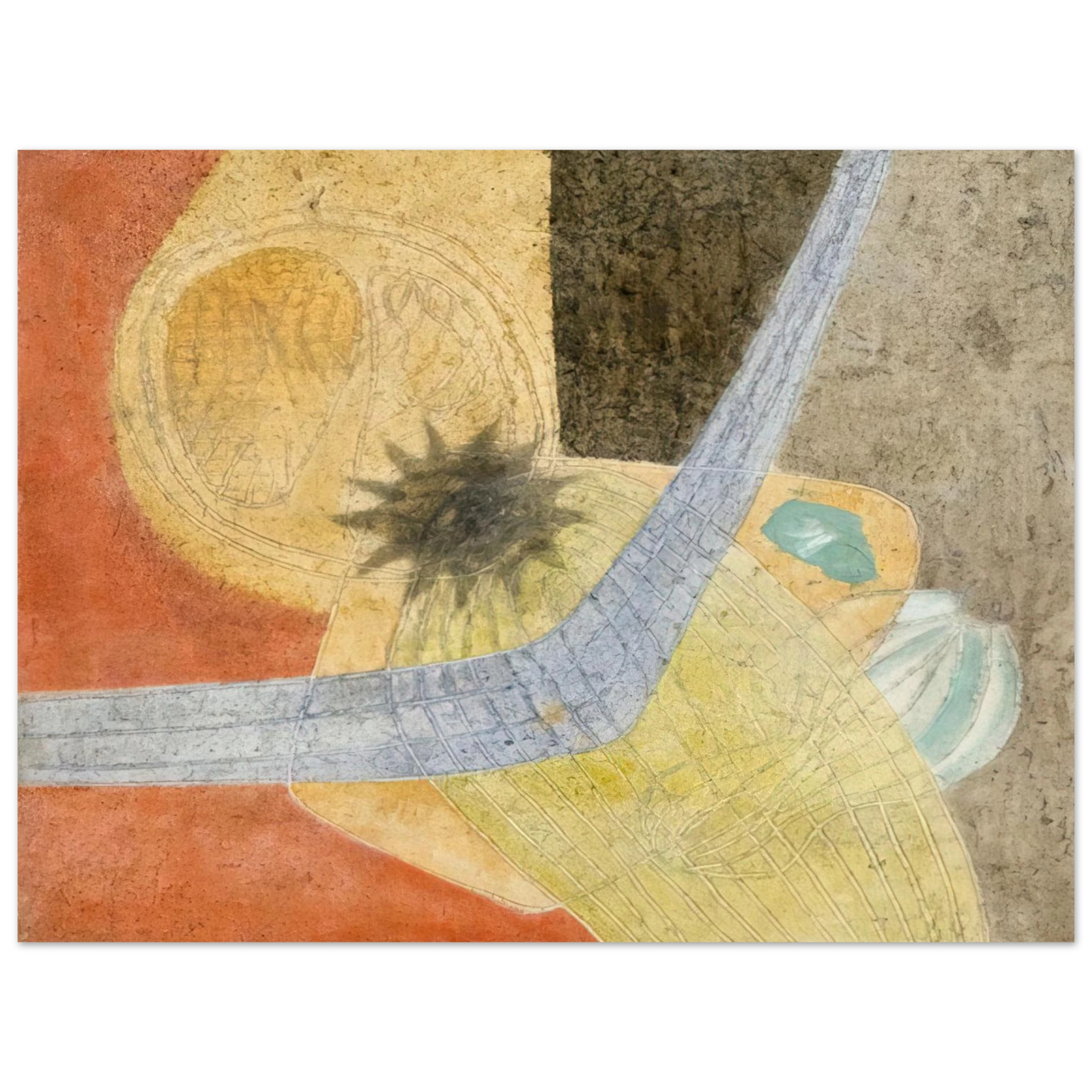
John Ferren - Composition - 1933 75x100 cm / 30x40inches Fine Art Poster
John Ferren - Composition - 1933 75x100 cm / 30x40inches Fine Art Poster
Couldn't load pickup availability
John Ferren - Composition (1933) - Museum-Quality Fine Art Print
Immerse yourself in the dynamic energy of John Ferren's "Composition" from 1933, a pivotal work from the American Abstract Expressionist movement. This fine art poster captures the bold geometric forms and rhythmic interplay of color that defined Ferren's early explorations into non-representational art. Created during a period of intense artistic innovation in New York, the piece reflects the influence of European modernism while forging a distinctly American visual language. Ferren's mastery of balance and tension invites contemplation, making it an ideal centerpiece for modern interiors seeking sophistication and historical depth.
RedKalion presents this museum-quality reproduction on our exclusive Master's Edition archival paper, ensuring every subtle detail and vibrant hue is preserved with gallery-grade precision. The matte, uncoated finish in a natural white tone enhances the artwork's texture and depth, free from glare for optimal viewing. Crafted with acid-free materials (pH above 7) and FSC-certified sustainability, this print is designed to resist yellowing and endure for generations. With dimensions of 75x100 cm (30x40 inches), on 250 gsm (110 lb) paper at 0.29 mm thickness, it offers a substantial, luxurious presence. Elevate your space with an archival masterpiece that bridges art history and contemporary elegance, printed and shipped on demand with no minimum orders.
Discover Unlimited Art Possibilities
At RedKalion, you can find virtually any artwork from any artist, available in a wide range of sizes to perfectly match your space.
If you didn’t find what you’re looking for, contact us at support@redkalion.com . We will source any artwork and produce it in any size and format you need, including art prints, posters, canvas, framed pieces, framed canvas, and more.
For dedicated art enthusiasts, we also offer handcrafted replicas of any artwork, carefully painted by highly skilled artists using traditional techniques.
For custom requests, contact us at support@redkalion.com .
What are the dimensions and details of this John Ferren fine art print?
This museum-quality reproduction measures 75x100 cm (30x40 inches), featuring John Ferren's "Composition" from 1933, an abstract expressionist work on archival paper for lasting vibrancy.
What type of paper is used for this fine art poster?
It's printed on Master's Edition archival paper, a museum-quality, acid-free material with a matte, uncoated finish in natural white for premium texture and durability.
How is this print shipped and are there minimum orders?
We offer on-demand printing and shipping with no minimum orders, ensuring fast fulfillment and careful packaging for your abstract art reproduction.
Is this artwork archival and long-lasting?
Yes, it uses acid-free paper (pH above 7) to prevent yellowing, with 250 gsm weight and 0.29 mm thickness for a durable, museum-quality fine art print.
What makes this reproduction sustainable?
It's crafted from FSC-certified paper, supporting responsible forestry and eco-friendly practices in our premium art prints.
What is the historical significance of John Ferren's "Composition" from 1933?
This work is a key example of early American Abstract Expressionism, blending European modernist influences with innovative geometric abstraction during New York's artistic renaissance.
Can you describe the visual style of this abstract composition?
Ferren's piece features bold geometric forms and rhythmic color interplay, creating dynamic tension and balance characteristic of non-representational art from the 1930s.