
RedKalion
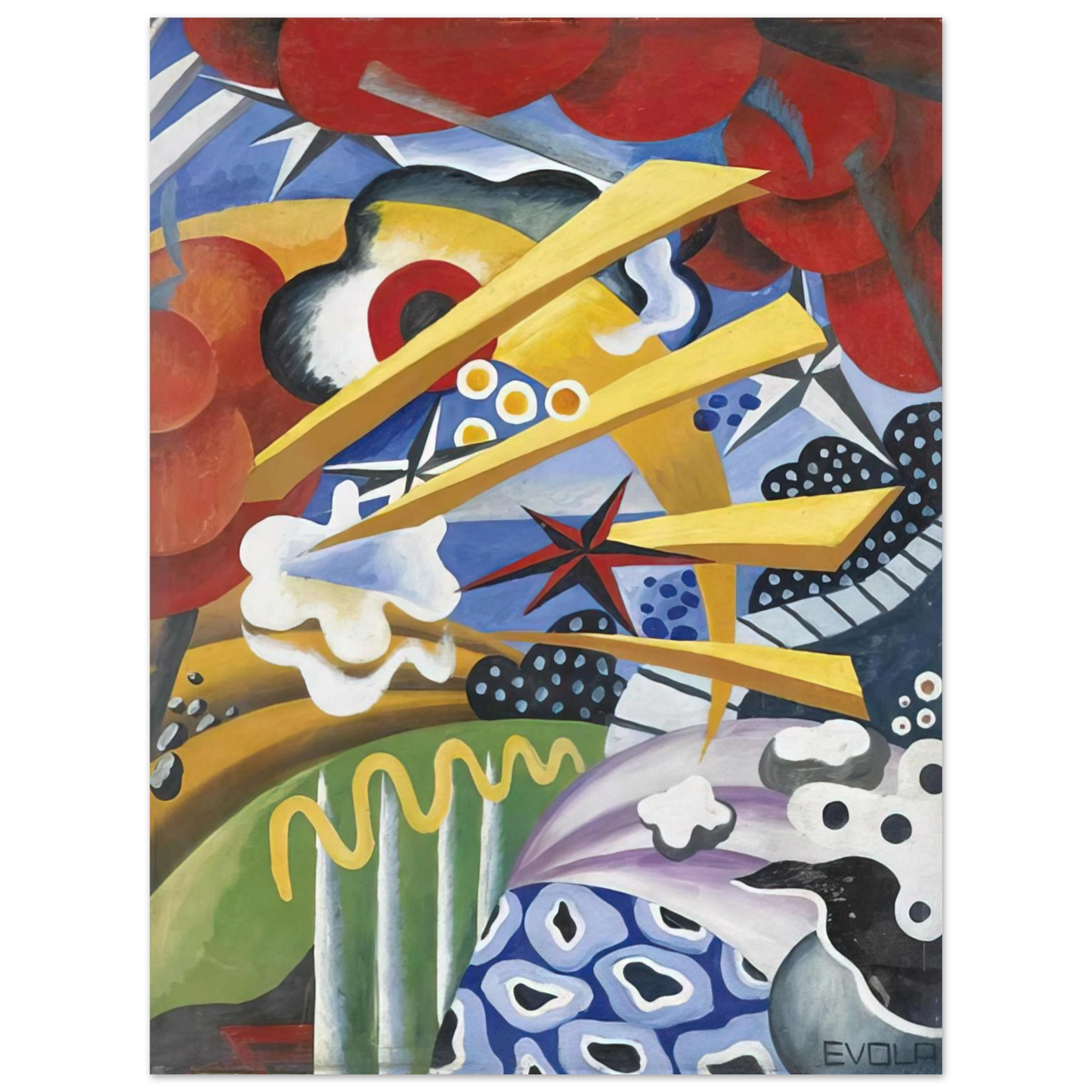
Julius Evola - Untitled - 1919 75x100 cm / 30x40inches Fine Art Poster
Julius Evola - Untitled - 1919 75x100 cm / 30x40inches Fine Art Poster
Couldn't load pickup availability
Julius Evola - Untitled (1919) - Museum-Quality Fine Art Print
Immerse yourself in the enigmatic world of Julius Evola with this 1919 untitled masterpiece, now available as a premium fine art print from RedKalion. Measuring 75x100 cm (30x40 inches), this reproduction captures the raw intensity and avant-garde spirit of Evola's early 20th-century work, offering a portal into the artist's exploration of abstraction and metaphysical themes during a pivotal era in modern art.
As a leading figure in the Italian avant-garde, Evola's 1919 creations are celebrated for their bold experimentation with form and color, reflecting the tumultuous post-World War I cultural landscape. This piece exemplifies his transition from Futurist influences toward a more personal, esoteric visual language, making it a compelling addition for collectors of modernist art and historical significance.
RedKalion presents this artwork on our exclusive Master's Edition archival paper, ensuring a museum-quality reproduction that honors Evola's original vision. The matte, uncoated finish and natural white (off-white) hue provide a luxurious texture that enhances the depth and subtlety of the composition, while the acid-free (pH above 7) material guarantees longevity without yellowing over time.
- Dimensions: 75x100 cm / 30x40 inches
- Paper: Master's Edition archival, FSC-certified for sustainability
- Weight & Thickness: 250 gsm (110 lb), 0.29 mm (11.4 mils) for a substantial feel
- Finish: Matte, uncoated, natural white for optimal light diffusion
- Fulfillment: Printed and shipped on demand with no minimum orders
Elevate your space with an archival masterpiece that endures, backed by RedKalion's commitment to curating world-class reproductions for discerning art enthusiasts.
Discover Unlimited Art Possibilities
At RedKalion, you can find virtually any artwork from any artist, available in a wide range of sizes to perfectly match your space.
If you didn’t find what you’re looking for, contact us at support@redkalion.com . We will source any artwork and produce it in any size and format you need, including art prints, posters, canvas, framed pieces, framed canvas, and more.
For dedicated art enthusiasts, we also offer handcrafted replicas of any artwork, carefully painted by highly skilled artists using traditional techniques.
For custom requests, contact us at support@redkalion.com .
What are the dimensions of this Julius Evola fine art print?
This museum-quality reproduction measures 75x100 cm (30x40 inches), perfectly capturing the scale and impact of Evola's original 1919 untitled artwork for your home or office display.
What type of paper is used for this archival print?
It's printed on Master's Edition archival paper, featuring a matte, uncoated finish with a natural white hue for a luxurious texture that ensures long-lasting fine art quality without yellowing.
How is this print shipped and are there minimum orders?
We offer on-demand printing and shipping with no minimum orders, providing a convenient and sustainable way to acquire this premium Julius Evola reproduction.
What makes this paper archival and durable?
The acid-free paper (pH above 7), 250 gsm weight, and 0.29 mm thickness prevent yellowing and ensure this Evola art print remains vibrant for generations as a lasting investment.
Is the paper environmentally friendly?
Yes, it's FSC-certified paper, aligning with sustainable practices while delivering the high-quality finish expected from RedKalion's fine art reproductions.
What is the historical significance of Julius Evola's 1919 artwork?
Created post-World War I, this piece reflects Evola's avant-garde experimentation during Italy's modernist movement, blending abstraction with metaphysical themes that define his early career.
Can you describe the artistic style of this untitled work?
It showcases Evola's transition from Futurist influences to a more esoteric visual language, using bold forms and colors to explore spiritual and abstract concepts in 1919.