RedKalion
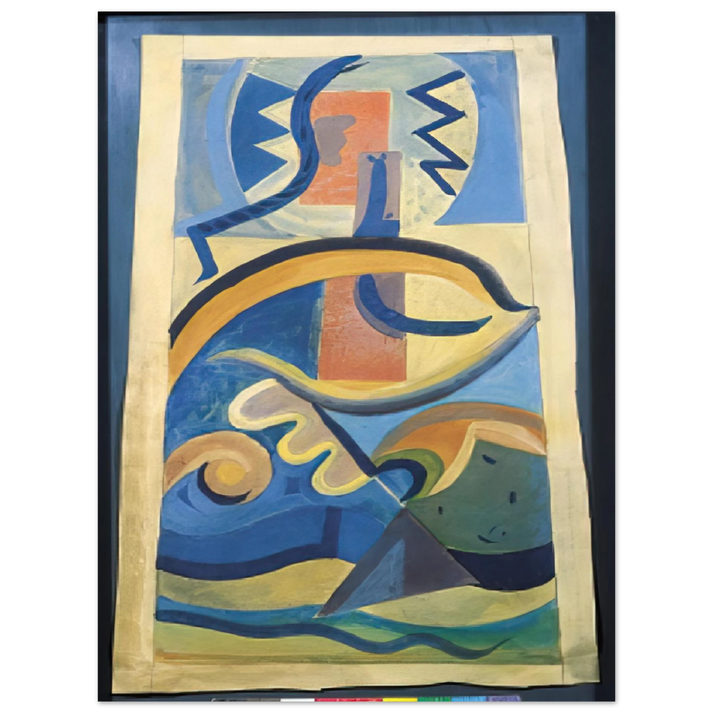
Julius Evola - Untitled - Abstract Art, Dada 75x100 cm / 30x40inches Fine Art Poster
Julius Evola - Untitled - Abstract Art, Dada 75x100 cm / 30x40inches Fine Art Poster
Couldn't load pickup availability
Julius Evola - Untitled - Abstract Art, Dada 75x100 cm / 30x40 inches Fine Art Poster
Discover a rare glimpse into the radical mind of Julius Evola with this untitled abstract masterpiece from the Dada movement. This museum-quality reproduction captures the chaotic energy and philosophical rebellion that defined Evola's brief but influential foray into visual art, where he challenged bourgeois norms through spontaneous, non-representational forms.
Evola, better known as a philosopher and esotericist, created this work during the height of Dada in the early 1920s, employing automatic drawing techniques to express subconscious impulses. The composition—a dynamic interplay of lines, shapes, and textures—evokes a sense of intellectual anarchy and metaphysical inquiry, making it a profound statement piece for modern interiors.
RedKalion presents this archival fine art print on our exclusive Master's Edition paper, ensuring every detail of Evola's original vision is preserved with impeccable fidelity. The matte, uncoated finish and natural white hue enhance the tactile, gallery-like experience, while the acid-free, FSC-certified materials guarantee longevity and environmental responsibility.
- Dimensions: 75x100 cm / 30x40 inches, ideal for statement wall displays.
- Paper: Master's Edition archival paper, 250 gsm (110 lb) with a thickness of 0.29 mm (11.4 mils) for a luxurious, durable feel.
- Finish: Matte, uncoated, natural white (off-white) to reduce glare and highlight texture.
- Longevity: Acid-free (pH above 7) to prevent yellowing, ensuring your print remains vibrant for generations.
- Sustainability: FSC-certified paper, reflecting our commitment to eco-conscious art curation.
- Fulfillment: Printed and shipped on demand with no minimum orders, offering personalized service.
Elevate your space with an archival masterpiece that endures, blending art historical significance with RedKalion's uncompromising standards for premium reproductions.
Discover Unlimited Art Possibilities
At RedKalion, you can find virtually any artwork from any artist, available in a wide range of sizes to perfectly match your space.
If you didn’t find what you’re looking for, contact us at support@redkalion.com . We will source any artwork and produce it in any size and format you need, including art prints, posters, canvas, framed pieces, framed canvas, and more.
For dedicated art enthusiasts, we also offer handcrafted replicas of any artwork, carefully painted by highly skilled artists using traditional techniques.
For custom requests, contact us at support@redkalion.com .
What is the historical significance of Julius Evola's untitled Dada artwork?
This untitled abstract piece by Julius Evola dates to the early 1920s Dada movement, reflecting his philosophical rebellion against conventional art through spontaneous, non-representational forms that challenge bourgeois norms and explore subconscious expression.
How does this fine art print capture the details of Evola's original work?
Our museum-quality reproduction uses high-resolution imaging and Master's Edition archival paper to preserve every line and texture of Evola's abstract composition, ensuring a true-to-original fine art poster for your collection.
What are the specifications of the paper used for this archival print?
This print features Master's Edition archival paper: 250 gsm (110 lb) weight, 0.29 mm (11.4 mils) thickness, matte uncoated finish, natural white hue, acid-free (pH above 7), and FSC-certified for sustainable luxury.
How is this Dada art print shipped and delivered?
We print and ship on demand with no minimum orders, using protective packaging to ensure your 75x100 cm fine art poster arrives safely and ready for display in your home or office.
Will this abstract art print resist yellowing over time?
Yes, the acid-free paper (pH above 7) prevents yellowing, making this archival reproduction a durable investment that maintains its vibrant quality for generations as a museum-quality piece.
What techniques did Julius Evola use in creating this Dada artwork?
Evola employed automatic drawing techniques, common in Dada, to express subconscious impulses through spontaneous lines and abstract forms, blending his philosophical ideas with avant-garde visual experimentation.
Why is the matte finish chosen for this fine art poster?
The matte, uncoated finish reduces glare and enhances the tactile texture, mimicking the original's aesthetic while providing a luxurious, gallery-like presentation for this abstract art print.