RedKalion
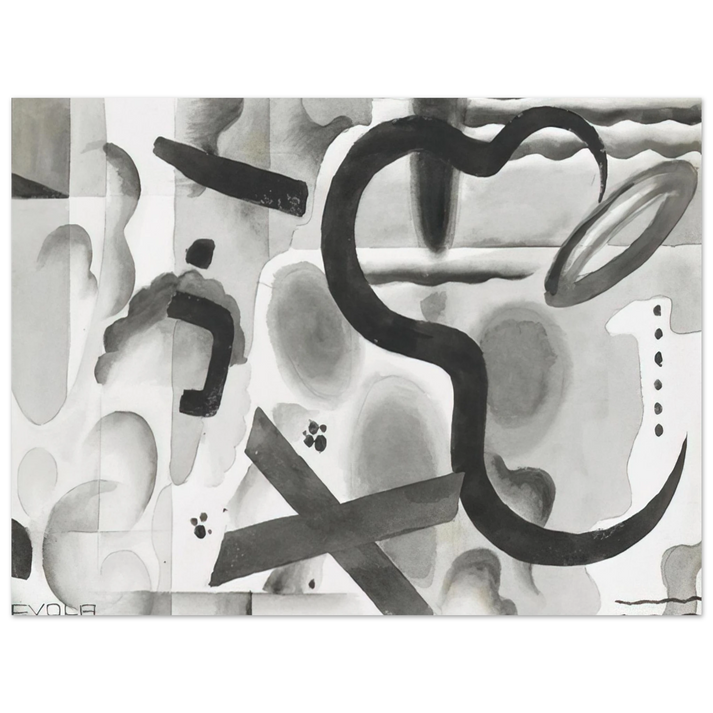
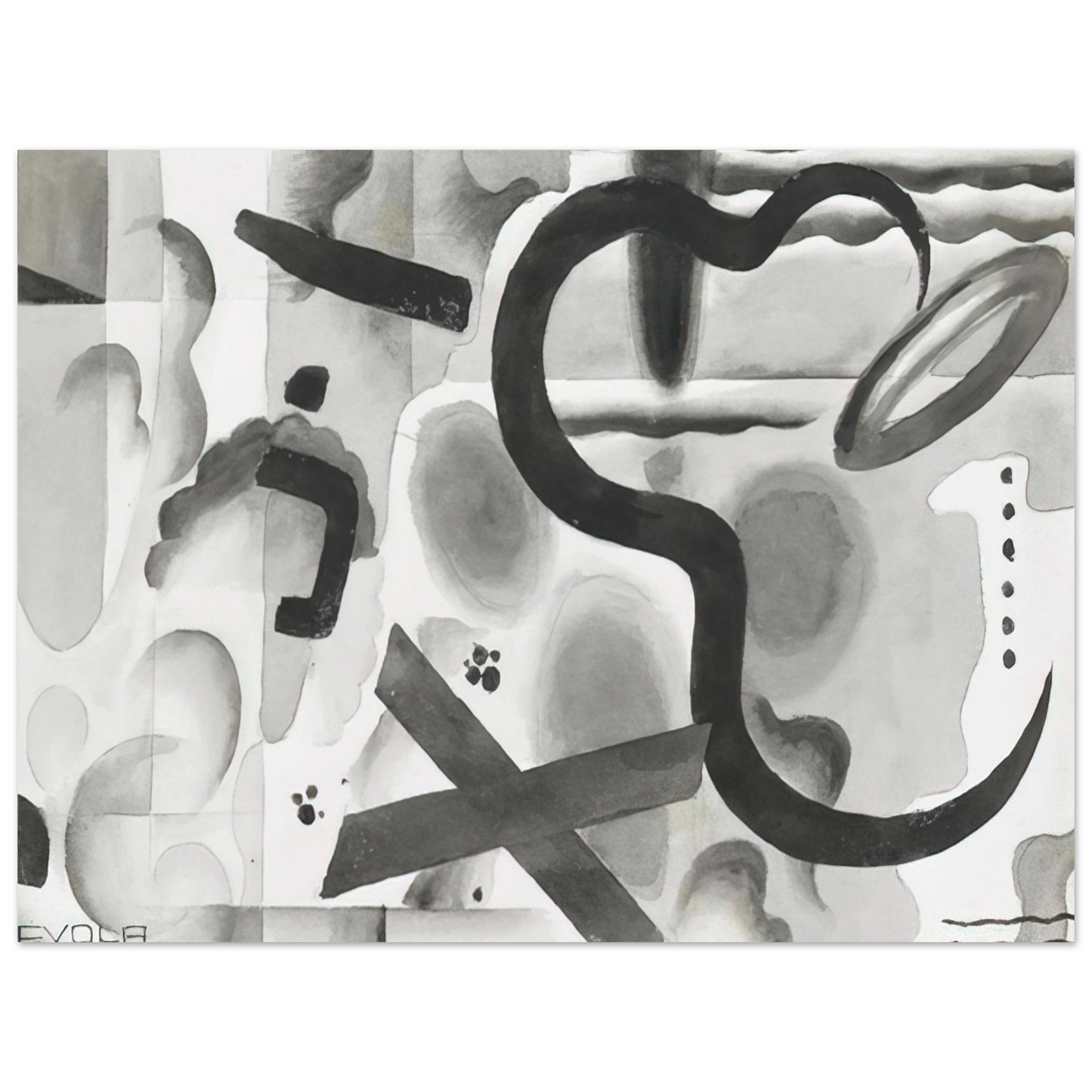
Julius Evola - Untitled - Dada 75x100 cm / 30x40inches Fine Art Poster
Julius Evola - Untitled - Dada 75x100 cm / 30x40inches Fine Art Poster
Couldn't load pickup availability
Julius Evola - Untitled - Dada: A Museum-Quality Fine Art Print
Immerse yourself in the provocative world of Dada with this archival reproduction of Julius Evola's "Untitled" artwork. Created during the tumultuous early 20th century, this piece exemplifies the Dada movement's radical rejection of conventional aesthetics and logic, offering a visual manifesto of absurdity and anti-art sentiment. Evola, an Italian philosopher and artist, contributed to Dada's subversive legacy with works that challenge perception and societal norms. This print captures every nuanced detail of the original, from its abstract forms to its symbolic depth, making it a conversation-starting centerpiece for any sophisticated space.
RedKalion presents this masterpiece on our exclusive Master's Edition archival paper, ensuring a museum-quality reproduction that honors the artist's intent. The matte, uncoated finish in a natural white hue provides a luxurious texture that enhances the artwork's visual impact without glare, while the acid-free composition (pH above 7) guarantees it resists yellowing for generations. Crafted from FSC-certified paper with a substantial 250 gsm weight (110 lb) and 0.29 mm thickness (11.4 mils), this fine art poster combines durability with eco-conscious production. Elevate your home or office with an archival masterpiece that endures, printed and shipped on demand with no minimum orders required.
- Artwork: Julius Evola - Untitled - Dada, 75x100 cm / 30x40 inches
- Paper: Master's Edition archival, museum-quality
- Finish: Matte, uncoated, natural white (off-white)
- Longevity: Acid-free (pH above 7) to prevent yellowing
- Weight & Thickness: 250 gsm (110 lb), 0.29 mm (11.4 mils)
- Sustainability: FSC-certified paper
- Fulfillment: Printed and shipped on demand, no minimum orders
Discover Unlimited Art Possibilities
At RedKalion, you can find virtually any artwork from any artist, available in a wide range of sizes to perfectly match your space.
If you didn’t find what you’re looking for, contact us at support@redkalion.com . We will source any artwork and produce it in any size and format you need, including art prints, posters, canvas, framed pieces, framed canvas, and more.
For dedicated art enthusiasts, we also offer handcrafted replicas of any artwork, carefully painted by highly skilled artists using traditional techniques.
For custom requests, contact us at support@redkalion.com .
What are the dimensions of this Julius Evola Dada fine art print?
This museum-quality reproduction measures 75x100 cm (30x40 inches), perfect for creating a bold statement in any room with its archival-grade paper.
What type of paper is used for this archival art poster?
It's printed on Master's Edition archival paper, featuring a matte, uncoated finish in natural white for a luxurious texture and acid-free longevity to prevent yellowing.
How is this Dada artwork shipped and delivered?
We print and ship on demand with no minimum orders, ensuring your fine art print arrives safely and ready to display in your space.
Will this print last over time without fading or damage?
Yes, the acid-free paper (pH above 7) and 250 gsm weight (0.29 mm thickness) provide exceptional durability, making it a long-lasting archival reproduction.
Is the paper environmentally sustainable for this art print?
Absolutely, it uses FSC-certified paper, combining eco-conscious production with premium quality for your museum-quality fine art poster.
What historical significance does Julius Evola's Dada artwork hold?
Created in the early 20th century, this piece reflects the Dada movement's anti-art ethos, challenging traditional aesthetics with absurdity and philosophical depth.
Can you describe the artistic details in this Untitled Dada piece?
It features abstract forms and symbolic elements typical of Dada, capturing Evola's subversive style that questions perception and societal norms.