RedKalion
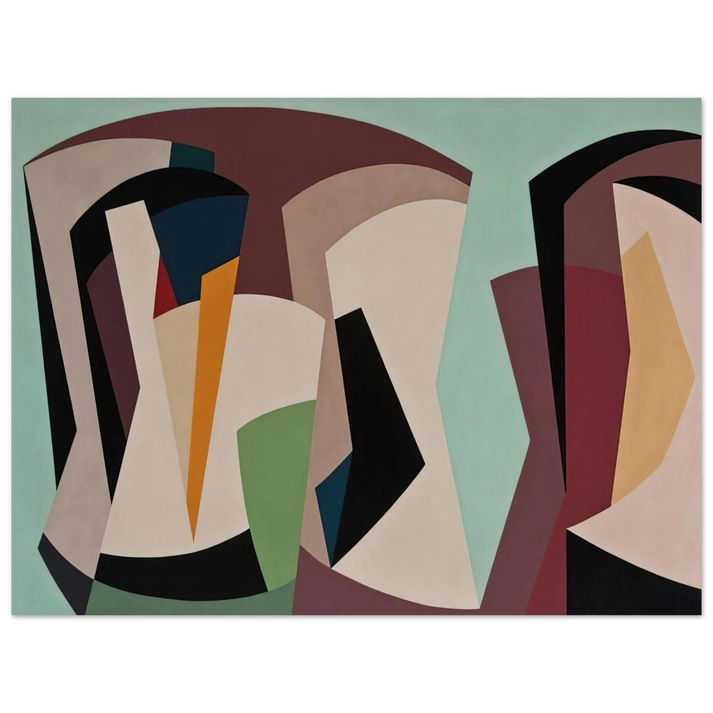
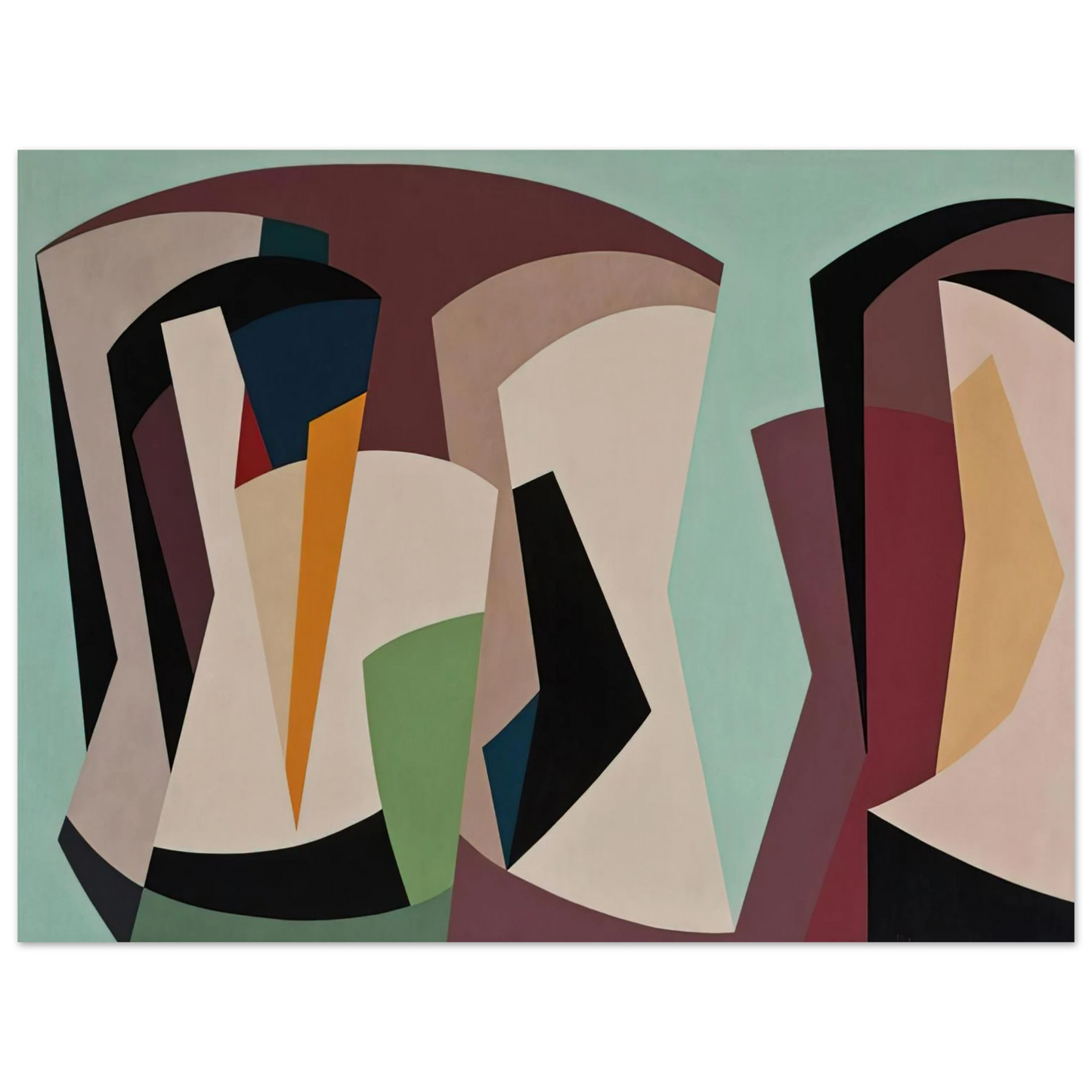
Karl Benjamin - Untitled - 1955 75x100 cm / 30x40inches Fine Art Poster
Karl Benjamin - Untitled - 1955 75x100 cm / 30x40inches Fine Art Poster
Couldn't load pickup availability
Karl Benjamin - Untitled (1955): A Mid-Century Masterpiece
Experience the bold geometric abstraction of Karl Benjamin's Untitled (1955), a seminal work from the American Hard-edge painting movement. This museum-quality fine art print captures the vibrant interplay of color and form that defined Benjamin's innovative approach, offering a timeless piece of art history for your collection.
In 1955, Karl Benjamin was at the forefront of a radical shift in American art, moving away from Abstract Expressionism toward precise, clean-edged compositions. This Untitled piece exemplifies his mastery of color theory and geometric harmony, creating a dynamic visual rhythm that energizes any space. As a key figure in the 1959 "Four Abstract Classicists" exhibition, Benjamin's work bridges modernist rigor with emotional depth, making this print a conversation-starting centerpiece.
RedKalion presents this archival reproduction on our exclusive Master's Edition archival paper, ensuring every sharp line and vivid hue is rendered with gallery-level fidelity. The matte, uncoated finish in a natural white tone provides a luxurious texture that enhances the artwork's tactile presence, free from glare for optimal viewing.
- Dimensions: 75 x 100 cm (30 x 40 inches), ideal for statement wall displays.
- Paper Quality: 250 gsm (110 lb) weight with a thickness of 0.29 mm (11.4 mils) for durability and a premium feel.
- Archival Standards: Acid-free (pH above 7) and FSC-certified, guaranteeing longevity without yellowing and sustainable sourcing.
- Production: Printed and shipped on demand with no minimum orders, offering personalized service.
Elevate your home or office with this fine art poster that combines mid-century innovation with enduring craftsmanship. Trust RedKalion for archival-grade reproductions that honor artistic legacy.
Discover Unlimited Art Possibilities
At RedKalion, you can find virtually any artwork from any artist, available in a wide range of sizes to perfectly match your space.
If you didn’t find what you’re looking for, contact us at support@redkalion.com . We will source any artwork and produce it in any size and format you need, including art prints, posters, canvas, framed pieces, framed canvas, and more.
For dedicated art enthusiasts, we also offer handcrafted replicas of any artwork, carefully painted by highly skilled artists using traditional techniques.
For custom requests, contact us at support@redkalion.com .
What are the dimensions and details of this Karl Benjamin print?
This fine art print measures 75 x 100 cm (30 x 40 inches), reproducing Karl Benjamin's Untitled (1955) with precise geometric details and vibrant colors on museum-quality archival paper.
What type of paper is used for this reproduction?
It's printed on Master's Edition archival paper, a matte, uncoated, natural white sheet that ensures a luxurious texture and prevents yellowing over time, ideal for a premium art poster.
How is this print shipped and produced?
We print and ship on demand with no minimum orders, using careful packaging to protect your archival fine art print during transit for a seamless delivery experience.
Is this print archival and long-lasting?
Yes, it features acid-free paper (pH above 7) and FSC-certified materials, designed to resist fading and maintain quality for decades as a durable art reproduction.
What is the weight and thickness of the paper?
The paper is 250 gsm (110 lb) with a thickness of 0.29 mm (11.4 mils), offering a sturdy, premium feel suitable for framing and display in any setting.
What artistic movement is Karl Benjamin associated with?
Karl Benjamin was a key figure in the Hard-edge painting movement of the 1950s, known for his precise geometric abstractions and innovative use of color theory in mid-century American art.
Why is the 1955 date significant for this artwork?
Created in 1955, this Untitled piece reflects Benjamin's early exploration of Hard-edge style, contributing to his recognition in influential exhibitions like "Four Abstract Classicists" in 1959.