
RedKalion
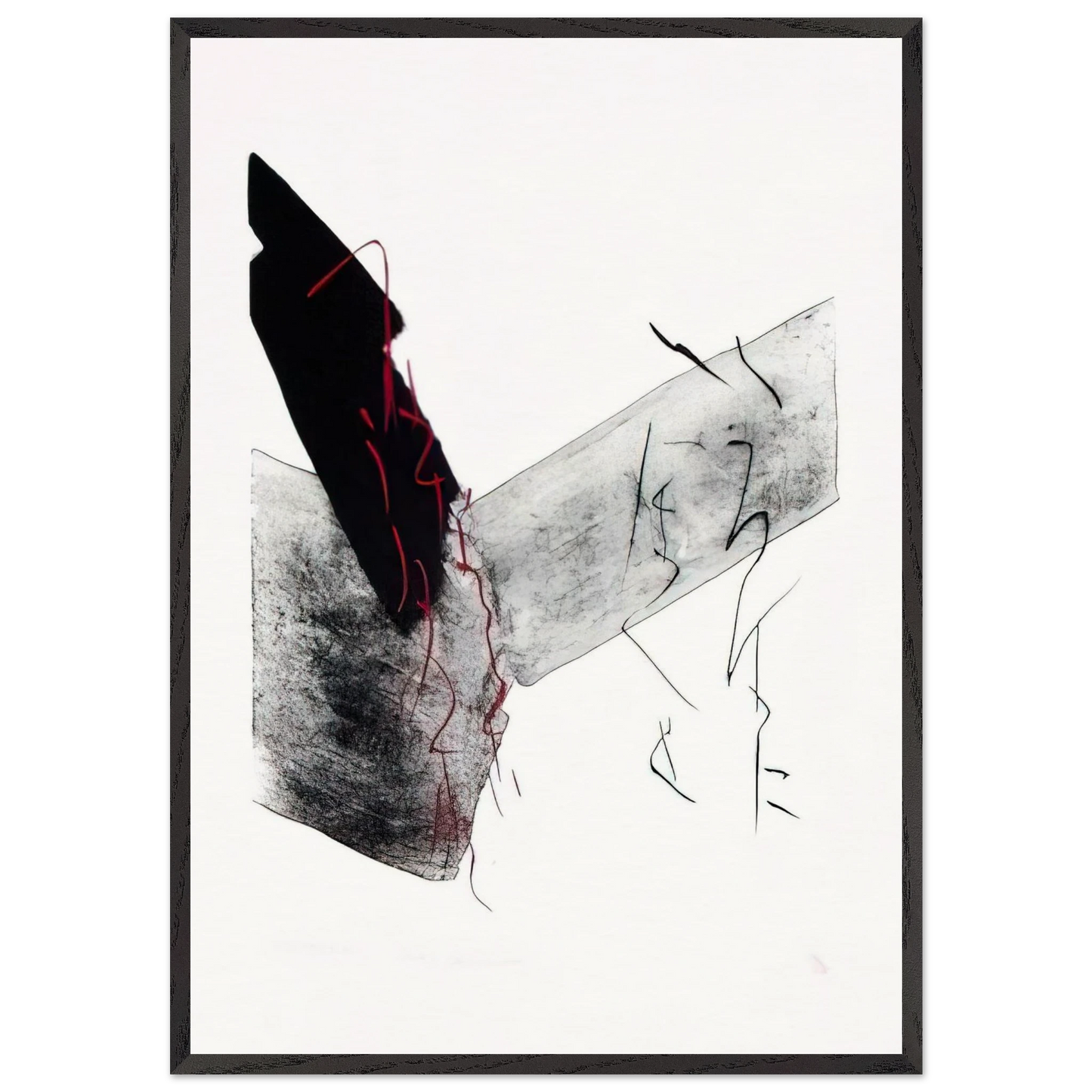
Katachi - Abstract Expressionism - Toko Shinoda 70x100 cm / 28x40 inches Framed Art Print – Black Wooden Frame
Katachi - Abstract Expressionism - Toko Shinoda 70x100 cm / 28x40 inches Framed Art Print – Black Wooden Frame
Couldn't load pickup availability
Katachi - Abstract Expressionism by Toko Shinoda
Elevate your space with "Katachi", a masterful abstract expressionist print by the renowned Japanese artist Toko Shinoda. This museum-quality reproduction captures the dynamic interplay of sumi-e ink and minimalist form that defines Shinoda's iconic style, blending Eastern calligraphic traditions with Western abstraction. Measuring 70x100 cm (28x40 inches), this framed art print is a statement piece that evokes contemplation, balance, and modern elegance, perfect for contemporary interiors seeking depth and cultural resonance.
Expertly reproduced on archival museum-quality paper—250 gsm (110 lb), matte, uncoated, and natural white—this fine art print ensures vibrant longevity. It is protected by shatterproof plexiglass and framed in a sleek black wooden frame made from responsibly sourced oak and ash wood, with a substantial 20mm (0.79") thickness for a premium presence. Ready-to-hang with an included kit, it arrives as a complete, gallery-ready artwork.
At RedKalion, we specialize in archival-grade reproductions that honor artistic legacy. Shinoda's work, rooted in 20th-century abstract expressionism, reflects her unique fusion of Japanese ink painting and modernist spontaneity—a testament to our commitment to curating world-class art for discerning collectors.
Discover Unlimited Art Possibilities
At RedKalion, you can find virtually any artwork from any artist, available in a wide range of sizes to perfectly match your space.
If you didn’t find what you’re looking for, contact us at support@redkalion.com . We will source any artwork and produce it in any size and format you need, including art prints, posters, canvas, framed pieces, framed canvas, and more.
For dedicated art enthusiasts, we also offer handcrafted replicas of any artwork, carefully painted by highly skilled artists using traditional techniques.
For custom requests, contact us at support@redkalion.com .
What are the dimensions and framing details of this Toko Shinoda print?
This framed art print measures 70x100 cm (28x40 inches) with a black wooden frame made from responsibly sourced oak and ash wood, 20mm (0.79") thick for a premium look, and includes a ready-to-hang kit for easy installation.
What type of paper is used for this museum-quality reproduction?
We use archival museum-quality paper: 250 gsm (110 lb) weight, 0.29 mm (11.4 mils) thick, matte, uncoated, and natural white, ensuring durability and fine art presentation for your abstract expressionism print.
How is the print protected in the frame?
The print is safeguarded with shatterproof plexiglass, offering clear protection against damage while maintaining the visual integrity of this Toko Shinoda artwork.
Is the paper sustainably sourced for this fine art print?
Yes, the paper is FSC-certified or equivalent, aligning with RedKalion's commitment to sustainable materials in our archival reproductions.
How long will this archival print last?
With archival museum-quality paper and protective framing, this print is designed for long-term display, resisting fading and deterioration for years.
What is the historical significance of Toko Shinoda's "Katachi" in abstract expressionism?
"Katachi" exemplifies Shinoda's fusion of Japanese sumi-e ink techniques with Western abstract expressionism, highlighting her role in cross-cultural art movements of the 20th century.
Can you describe the artistic technique used in this abstract expressionism piece?
Shinoda employs spontaneous brushstrokes and minimalist forms with sumi-e ink, creating dynamic contrasts that reflect her mastery of calligraphic abstraction and emotional depth.