RedKalion
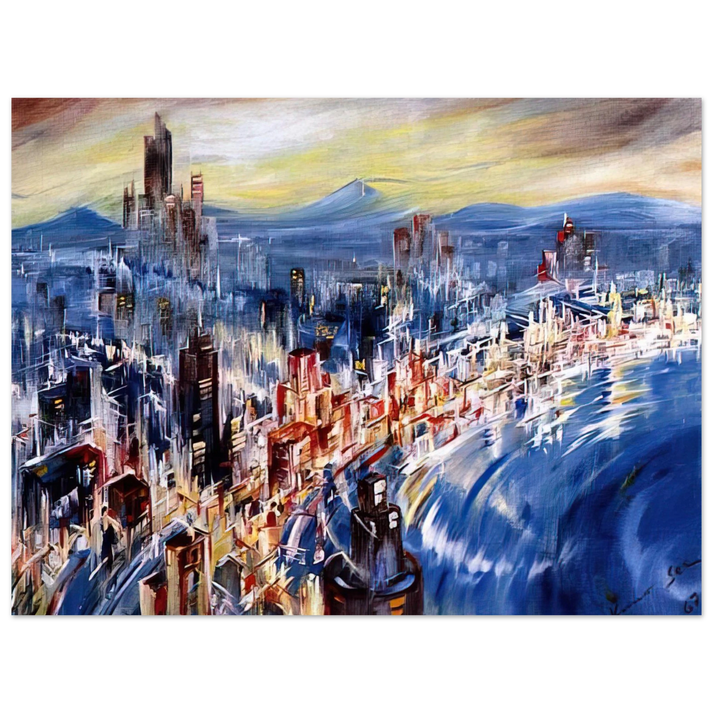
Konrad Zuse - Built for the Future 75x100 cm / 30x40inches Fine Art Poster
Konrad Zuse - Built for the Future 75x100 cm / 30x40inches Fine Art Poster
Couldn't load pickup availability
Konrad Zuse - Built for the Future: A Tribute to Computing Vision
This fine art poster captures the pioneering spirit of Konrad Zuse, the German engineer who built the world's first programmable computer. "Built for the Future" reflects his forward-thinking legacy, blending technical precision with artistic vision—a perfect statement piece for tech enthusiasts, historians, and modern interior design.
RedKalion presents this museum-quality reproduction on our exclusive Master's Edition archival paper. The matte, uncoated finish in a natural white hue offers a luxurious texture that enhances the artwork's depth without glare. At 75x100 cm (30x40 inches), this print commands attention in any space, from home offices to corporate lobbies.
Art Historical Insight: Zuse's work in the 1930s-40s, often overshadowed by wartime secrecy, laid the groundwork for modern computing. This poster celebrates his ingenuity with a design that echoes the mechanical elegance of early computers, using clean lines and a futuristic aesthetic that resonates with today's digital age.
Printed on demand with no minimum orders, each piece is crafted to last. The acid-free paper (pH above 7) ensures resistance to yellowing, while the 250 gsm weight (0.29 mm thickness) provides a substantial feel. Our FSC-certified paper underscores a commitment to sustainability, making this an ethical choice for discerning collectors.
Elevate your environment with an archival masterpiece that bridges art and innovation. Trust RedKalion for premium reproductions that honor history and inspire future generations.
Discover Unlimited Art Possibilities
At RedKalion, you can find virtually any artwork from any artist, available in a wide range of sizes to perfectly match your space.
If you didn’t find what you’re looking for, contact us at support@redkalion.com . We will source any artwork and produce it in any size and format you need, including art prints, posters, canvas, framed pieces, framed canvas, and more.
For dedicated art enthusiasts, we also offer handcrafted replicas of any artwork, carefully painted by highly skilled artists using traditional techniques.
For custom requests, contact us at support@redkalion.com .
What is the significance of "Konrad Zuse - Built for the Future" as a fine art poster?
This museum-quality reproduction honors Konrad Zuse, the inventor of the first programmable computer, blending historical importance with modern design for tech and art enthusiasts.
What are the specifications of the Master's Edition archival paper used for this print?
The paper is matte, uncoated, natural white, 250 gsm weight (0.29 mm thickness), acid-free (pH above 7) to prevent yellowing, and FSC-certified for sustainability.
How does RedKalion ensure the longevity of this fine art poster?
We use acid-free, museum-quality paper that resists degradation, ensuring your archival print remains vibrant for decades without yellowing.
What is the shipping and fulfillment process for this on-demand print?
Printed and shipped on demand with no minimum orders, each piece is carefully handled to arrive in perfect condition, ready for display.
Can this 75x100 cm (30x40 inches) poster fit standard frames?
Yes, this size corresponds to common frame options, making it easy to showcase this premium reproduction in any setting.
Who was Konrad Zuse and why is he important in computing history?
Konrad Zuse was a German engineer who built the Z3, the world's first programmable computer in 1941, pioneering digital technology that shaped modern computing.
What design elements in "Built for the Future" reflect Zuse's legacy?
The poster features clean lines and a futuristic aesthetic, echoing the mechanical elegance of early computers and Zuse's innovative vision for the future.