

RedKalion
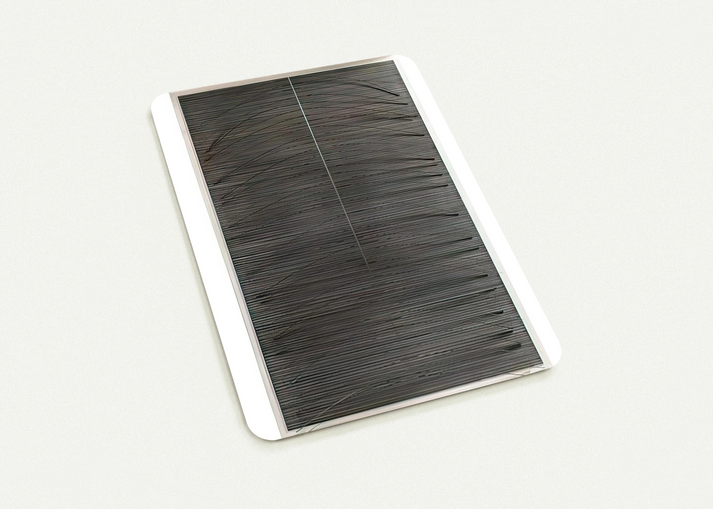
LA COURVE BLEUE 1965 By Jesus Rafael Soto Pack of 10 Post Cards | Jesus Rafael Soto Post Cards | A6 (10.5 x 14.8 cm) - 4.1 x 5.8 inches
LA COURVE BLEUE 1965 By Jesus Rafael Soto Pack of 10 Post Cards | Jesus Rafael Soto Post Cards | A6 (10.5 x 14.8 cm) - 4.1 x 5.8 inches
Couldn't load pickup availability
LA COURVE BLEUE 1965 by Jesús Rafael Soto: A Pack of 10 Museum-Quality Post Cards
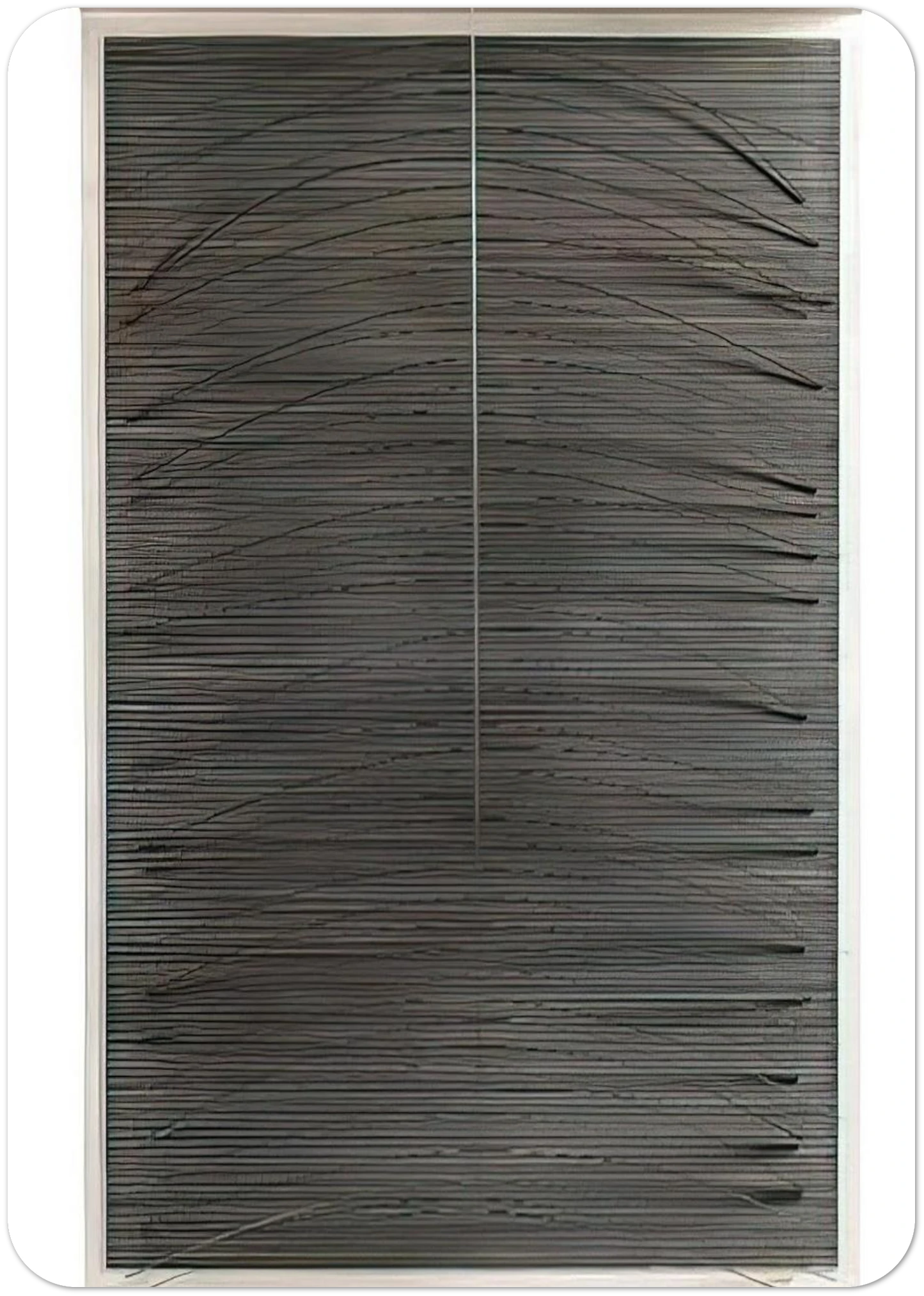
Immerse yourself in the kinetic brilliance of Jesús Rafael Soto's LA COURVE BLEUE 1965 with this exclusive pack of 10 fine art post cards. This collection captures the essence of Soto's pioneering Op Art movement, where geometric precision and optical illusion converge to create dynamic visual experiences. Each post card in this pack is a miniature masterpiece, perfect for sharing artful sentiments or collecting as a curated set.
As a leading figure in kinetic and Op Art, Soto's work from the 1960s, like LA COURVE BLEUE, explores perception through repetitive lines and vibrant hues, inviting viewers into a world of movement and depth. This 1965 piece exemplifies his mastery in using simple forms to evoke complex visual rhythms, making it a timeless addition to any art enthusiast's collection.
RedKalion presents these post cards with uncompromising quality. Printed using our advanced 12-color fine art technology, each card boasts vivid, accurate colors with stunning depth, far surpassing standard 4-color prints. The smooth matte finish ensures a clean, glare-free display, while the premium 200 gsm (80 lb) FSC-certified paper provides a durable, eco-conscious foundation. At A6 size (10.5 x 14.8 cm or 4.1 x 5.8 inches), they are versatile for framing, mailing, or display. Elevate your correspondence or decor with these archival-grade reproductions, crafted on demand to meet your artistic needs.


Discover Unlimited Art Possibilities
At RedKalion, you can find virtually any artwork from any artist, available in a wide range of sizes to perfectly match your space.
If you didn’t find what you’re looking for, contact us at support@redkalion.com . We will source any artwork and produce it in any size and format you need, including art prints, posters, canvas, framed pieces, framed canvas, and more.
For dedicated art enthusiasts, we also offer handcrafted replicas of any artwork, carefully painted by highly skilled artists using traditional techniques.
For custom requests, contact us at support@redkalion.com .
What is the significance of LA COURVE BLEUE 1965 by Jesús Rafael Soto?
LA COURVE BLEUE 1965 is a key work in Soto's Op Art series, showcasing his use of geometric patterns to create optical illusions and kinetic effects, reflecting the 1960s avant-garde movement.
What are the specifications of the post cards in this pack?
This pack includes 10 flat post cards, each A6 sized (10.5 x 14.8 cm or 4.1 x 5.8 inches), printed on 200 gsm FSC-certified paper with a smooth matte finish for vibrant color display.
How does the printing technology ensure color quality?
Our 12-color fine art printing delivers vivid, accurate colors with stunning depth, superior to standard 4-color inkjet, for museum-quality reproductions of Soto's work.
Are these post cards eco-friendly and durable?
Yes, they are printed on environmentally conscious, FSC-certified 200 gsm paper (0.26 mm thick), ensuring archival longevity and a sustainable choice for art prints.
Can I order a custom quantity or size?
These post cards are printed on demand with no minimum orders, and while this pack is A6, RedKalion offers various sizes for other fine art prints to fit any space.
What artistic techniques did Soto use in LA COURVE BLEUE 1965?
Soto employed repetitive linear forms and contrasting colors to create optical vibrations, a hallmark of his kinetic art that challenges viewer perception.
How does this artwork fit into Soto's broader career?
Created in 1965, it represents Soto's peak in Op Art, contributing to his international recognition and influence on modern geometric abstraction.