RedKalion
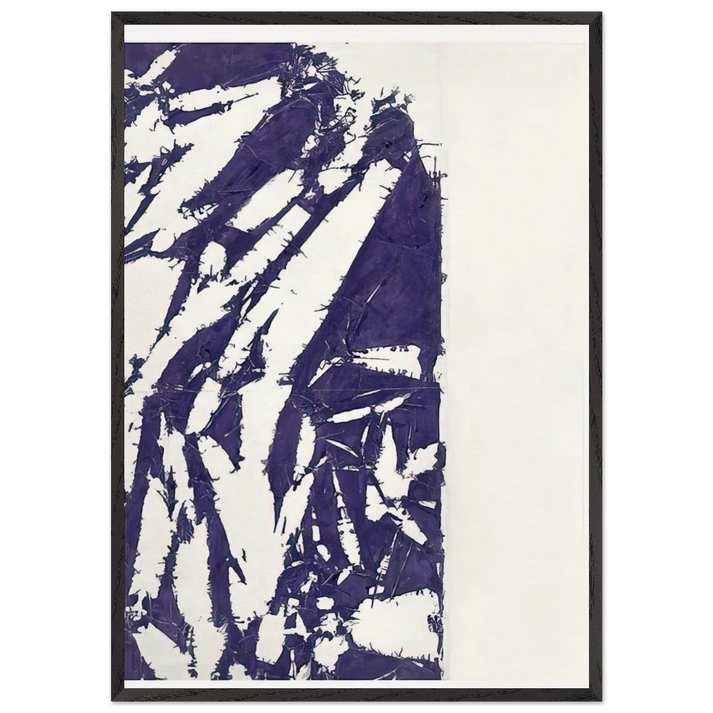
Laissee - 1995 - Simon Hantai 70x100 cm / 28x40 inches Framed Art Print – Black Wooden Frame
Laissee - 1995 - Simon Hantai 70x100 cm / 28x40 inches Framed Art Print – Black Wooden Frame
Couldn't load pickup availability
Laissee - 1995 - Simon Hantai: A Museum-Quality Framed Art Print
Elevate your space with Simon Hantai's iconic 1995 masterpiece, Laissee, now available as an archival-grade framed art print from RedKalion. This museum-quality reproduction captures the raw energy and revolutionary technique of Hantai's pliage (folding) method, where he crumpled, painted, and unfolded canvas to create abstract, textured compositions that redefined post-war European art. Measuring 70x100 cm (28x40 inches), this piece brings a dynamic, contemplative mood to modern interiors, blending historical significance with contemporary elegance.
Our premium print is crafted on 250 gsm (110 lb) matte, uncoated archival paper—a natural white, FSC-certified surface that ensures longevity and vibrant color fidelity. It's protected by shatterproof plexiglass and housed in a responsibly sourced oak and ash wood frame, 20mm (0.79") thick for a bold, gallery-worthy presence. Ready-to-hang with an included kit, this framed art print arrives as a complete statement piece, embodying RedKalion's commitment to curating world-class reproductions that endure.
- Artwork: Laissee - 1995 by Simon Hantai, a fine art print reproduction.
- Frame: Black wooden frame made from oak and ash, 20mm thick.
- Paper: 250 gsm archival museum-quality paper with matte finishing.
- Protection: Shatterproof plexiglass for durability.
- Ready-to-Hang: Includes hanging kit for immediate display.

Discover Unlimited Art Possibilities
At RedKalion, you can find virtually any artwork from any artist, available in a wide range of sizes to perfectly match your space.
If you didn’t find what you’re looking for, contact us at support@redkalion.com . We will source any artwork and produce it in any size and format you need, including art prints, posters, canvas, framed pieces, framed canvas, and more.
For dedicated art enthusiasts, we also offer handcrafted replicas of any artwork, carefully painted by highly skilled artists using traditional techniques.
For custom requests, contact us at support@redkalion.com .
What is the historical significance of Simon Hantai's Laissee from 1995?
Laissee exemplifies Hantai's pliage technique, developed in the 1960s, where he folded canvas before painting to create abstract, textured patterns. This 1995 work reflects his late-career exploration of spontaneity and process, making it a key piece in post-war European abstract art history.
What are the specifications of the paper used for this fine art print?
The print uses 250 gsm (110 lb) matte, uncoated archival museum-quality paper, 0.29 mm thick, with FSC-certified materials for sustainability and longevity in your framed art print collection.
How is the black wooden frame constructed for this artwork?
The frame is made from responsibly sourced oak and ash wood, measuring 20mm (0.79") thick and wide, providing a sturdy, gallery-style presentation for your Simon Hantai reproduction.
Is this framed art print ready to hang upon delivery?
Yes, it includes a hanging kit and is ready-to-hang directly on your wall, offering a convenient setup for displaying this museum-quality print.
What protection does the shatterproof plexiglass provide for the print?
The shatterproof plexiglass safeguards the print from dust, UV light, and damage, ensuring your archival art print remains pristine and durable over time.
How does Hantai's pliage technique influence the visual details in Laissee?
Hantai's pliage involves folding and painting canvas, resulting in layered, organic patterns and textures that create a sense of depth and movement, visible in the intricate details of this reproduction.
What makes this reproduction archival and museum-quality?
It uses FSC-certified, acid-free paper with a matte finish and high 250 gsm weight, designed to resist fading and degradation, meeting archival standards for fine art prints.