RedKalion
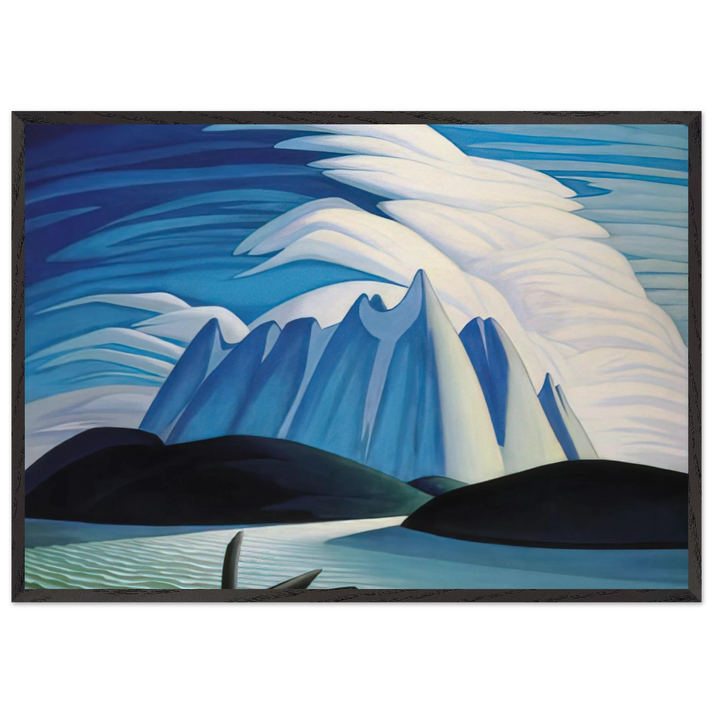
Lake and Mountains - 1928 - Lawren Harris 70x100 cm / 28x40 inches Framed Art Print – Black Wooden Frame
Lake and Mountains - 1928 - Lawren Harris 70x100 cm / 28x40 inches Framed Art Print – Black Wooden Frame
Couldn't load pickup availability
Lake and Mountains (1928) by Lawren Harris
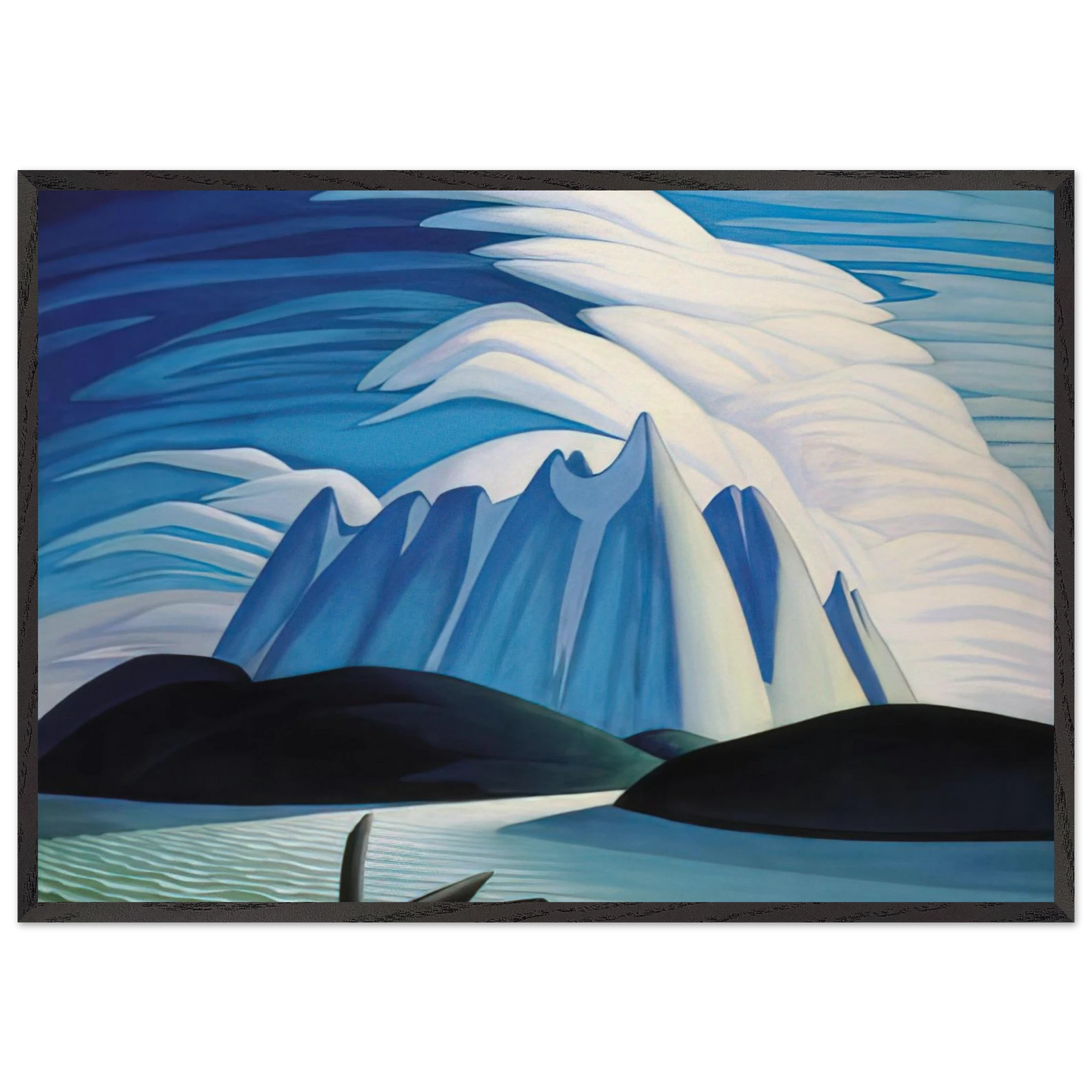
Immerse yourself in the sublime beauty of the Canadian wilderness with this museum-quality framed art print of Lawren Harris's iconic 1928 masterpiece, Lake and Mountains. As a founding member of the Group of Seven, Harris pioneered a distinctly Canadian modernist style, capturing the spiritual essence of the northern landscape through simplified forms and luminous color. This work exemplifies his mature period, where stark geometric mountains meet serene glacial waters under a vast, ethereal sky—evoking a profound sense of tranquility and awe.
RedKalion presents this archival reproduction on premium 250 gsm (110 lb) matte, uncoated paper, ensuring rich detail and color fidelity that honors Harris's original vision. The print is elegantly framed in a responsibly sourced black wooden frame made from oak and ash, measuring 20mm thick for a substantial, gallery-worthy presence. Protected by shatterproof plexiglass and including a ready-to-hang kit, this piece arrives prepared to elevate any space with enduring artistic heritage.
Artwork Details:
- Title: Lake and Mountains
- Artist: Lawren Harris (1885–1970)
- Year: 1928
- Style: Canadian Modernism, Group of Seven
- Print Size: 70x100 cm / 28x40 inches
Frame Specifications:
- Frame Material: Black wooden frame crafted from responsibly sourced oak and ash
- Frame Dimensions: 20mm (0.79") thick and wide, offering a robust, contemporary profile
- Protection: Shatterproof plexiglass for durability and clarity
- Included: Hanging kit for immediate installation
Paper Quality:
- Weight: 250 gsm (110 lb), thickness: 0.29 mm (11.4 mils)
- Finish: Matte, uncoated, natural white archival museum-quality paper
- Sustainability: FSC-certified materials or equivalent
Own a piece of Canadian art history with this fine art print, meticulously reproduced to archival standards. RedKalion ensures every detail—from Harris's masterful brushwork to the eco-conscious materials—meets our commitment to excellence, making it a timeless addition to homes, offices, or galleries.
Discover Unlimited Art Possibilities
At RedKalion, you can find virtually any artwork from any artist, available in a wide range of sizes to perfectly match your space.
If you didn’t find what you’re looking for, contact us at support@redkalion.com . We will source any artwork and produce it in any size and format you need, including art prints, posters, canvas, framed pieces, framed canvas, and more.
For dedicated art enthusiasts, we also offer handcrafted replicas of any artwork, carefully painted by highly skilled artists using traditional techniques.
For custom requests, contact us at support@redkalion.com .
What are the dimensions of this framed Lawren Harris print?
The framed art print measures 70x100 cm (28x40 inches), with a 20mm (0.79") thick black wooden frame made from responsibly sourced oak and ash, providing a substantial, gallery-ready display.
What type of paper is used for this fine art reproduction?
We use 250 gsm (110 lb) matte, uncoated, natural white archival museum-quality paper, FSC-certified for sustainability, ensuring vibrant color and long-lasting durability for your Lawren Harris print.
Is this framed print ready to hang?
Yes, it includes a hanging kit and is ready to hang directly on your wall, offering a hassle-free setup for immediate enjoyment of this Group of Seven masterpiece.
How is the print protected in the frame?
The print is safeguarded by shatterproof plexiglass, which provides clear protection against damage while maintaining the visual integrity of Harris's Lake and Mountains artwork.
Is this an archival-quality reproduction?
Absolutely, this is a museum-quality reproduction on archival paper, designed to resist fading and preserve Lawren Harris's iconic 1928 landscape for generations.
What artistic movement does Lawren Harris belong to?
Lawren Harris was a key figure in the Group of Seven, a Canadian modernist movement that emphasized spiritual interpretations of the northern wilderness through bold, simplified forms.
Why is the 1928 period significant for Harris's work?
By 1928, Harris had refined his style towards geometric abstraction, using stark mountain forms and serene lakes to evoke transcendental themes, making this piece a hallmark of his mature period.