RedKalion
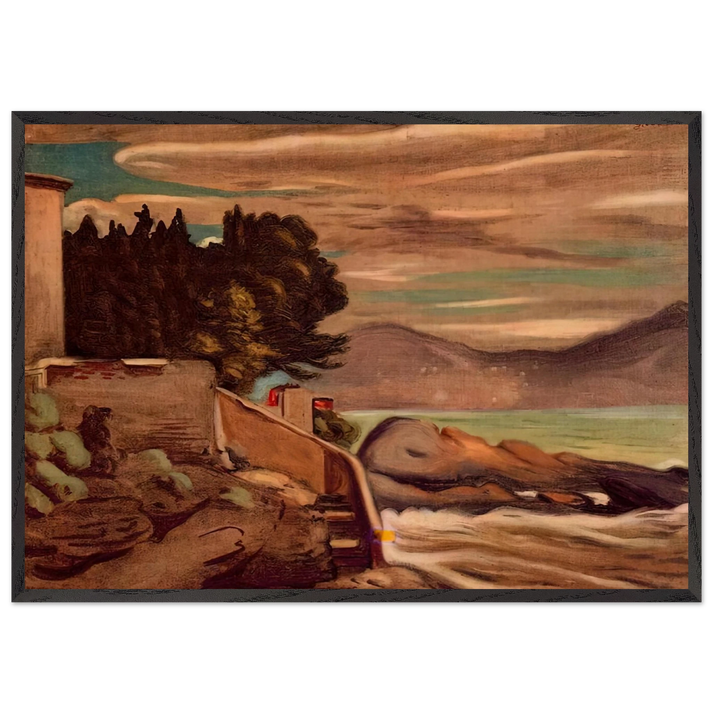
LANDSCAPE NEAR GENOVA - Giorgio de Chirico 70x100 cm / 28x40 inches Framed Art Print – Black Wooden Frame
LANDSCAPE NEAR GENOVA - Giorgio de Chirico 70x100 cm / 28x40 inches Framed Art Print – Black Wooden Frame
Couldn't load pickup availability
Landscape Near Genova - Giorgio de Chirico: A Surrealist Masterpiece Framed in Premium Black Wood
Immerse yourself in the enigmatic world of Giorgio de Chirico with this museum-quality framed art print of "Landscape Near Genova". This surrealist masterpiece, created by the pioneering Italian artist, captures the haunting beauty and metaphysical tension that defined his early 20th-century work. The composition features stark architectural forms, elongated shadows, and a dreamlike atmosphere that evokes a sense of timeless mystery and poetic solitude. De Chirico's unique technique, blending classical precision with avant-garde symbolism, revolutionized modern art and influenced movements like Surrealism.
RedKalion presents this archival-grade reproduction on 250 gsm (110 lb) matte, uncoated, natural white paper—a premium, FSC-certified material that ensures longevity and authentic color fidelity. The print is elegantly framed in a 20mm (0.79") thick black wooden frame, crafted from responsibly sourced oak and ash wood, offering a wider, more substantial profile than classic 14mm frames. Protected by shatterproof plexiglass, this piece arrives ready-to-hang with a complete hanging kit, allowing you to elevate your space with a durable, gallery-worthy display that honors de Chirico's visionary legacy.
- Artist: Giorgio de Chirico
- Title: Landscape Near Genova
- Frame: Black wooden frame (20mm thick, responsibly sourced oak and ash wood)
- Print Size: 70x100 cm / 28x40 inches
- Paper: 250 gsm (110 lb), 0.29 mm thickness, matte, uncoated, natural white, archival museum-quality, FSC-certified
- Protection: Shatterproof plexiglass
- Ready-to-Hang: Includes hanging kit
Trust RedKalion for expertly curated fine art prints that combine historical significance with exceptional craftsmanship. This framed reproduction not only captures the essence of de Chirico's surrealist landscape but also provides a lasting, archival masterpiece for your home or office.

Discover Unlimited Art Possibilities
At RedKalion, you can find virtually any artwork from any artist, available in a wide range of sizes to perfectly match your space.
If you didn’t find what you’re looking for, contact us at support@redkalion.com . We will source any artwork and produce it in any size and format you need, including art prints, posters, canvas, framed pieces, framed canvas, and more.
For dedicated art enthusiasts, we also offer handcrafted replicas of any artwork, carefully painted by highly skilled artists using traditional techniques.
For custom requests, contact us at support@redkalion.com .
What are the key details of this Giorgio de Chirico artwork?
This fine art print features "Landscape Near Genova," a surrealist masterpiece by Giorgio de Chirico, known for its metaphysical themes and dreamlike atmosphere, reproduced on archival museum-quality paper.
What are the specifications of the paper used for this framed art print?
The print uses 250 gsm (110 lb) matte, uncoated, natural white paper with a thickness of 0.29 mm (11.4 mils), ensuring archival longevity and ideal for high-quality fine art reproductions.
How is this framed print shipped and installed?
It arrives ready-to-hang with a complete hanging kit, allowing for easy wall mounting directly from the box, with secure packaging to protect the shatterproof plexiglass and wooden frame.
What materials are used in the black wooden frame?
The frame is made from 20mm (0.79") thick responsibly sourced oak and ash wood, offering a wider, durable profile compared to standard 14mm frames for enhanced display.
How long will this archival print last?
With FSC-certified, museum-quality paper and shatterproof plexiglass protection, this framed art print is designed for archival longevity, resisting fading and damage over time.
What historical context surrounds Giorgio de Chirico's "Landscape Near Genova"?
Created in the early 20th century, this work exemplifies de Chirico's metaphysical art, using stark architecture and shadows to evoke mystery, influencing later Surrealist movements like those of Salvador Dalí.
Can you describe the artistic techniques in this landscape?
De Chirico employed precise, classical drafting combined with surreal, symbolic elements—such as elongated shadows and empty spaces—to create a haunting, timeless mood that challenges reality.