RedKalion
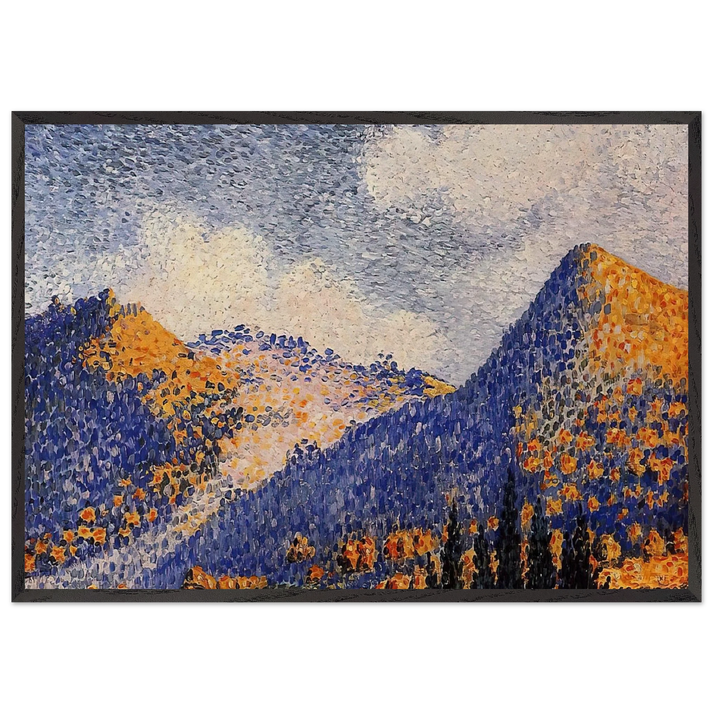
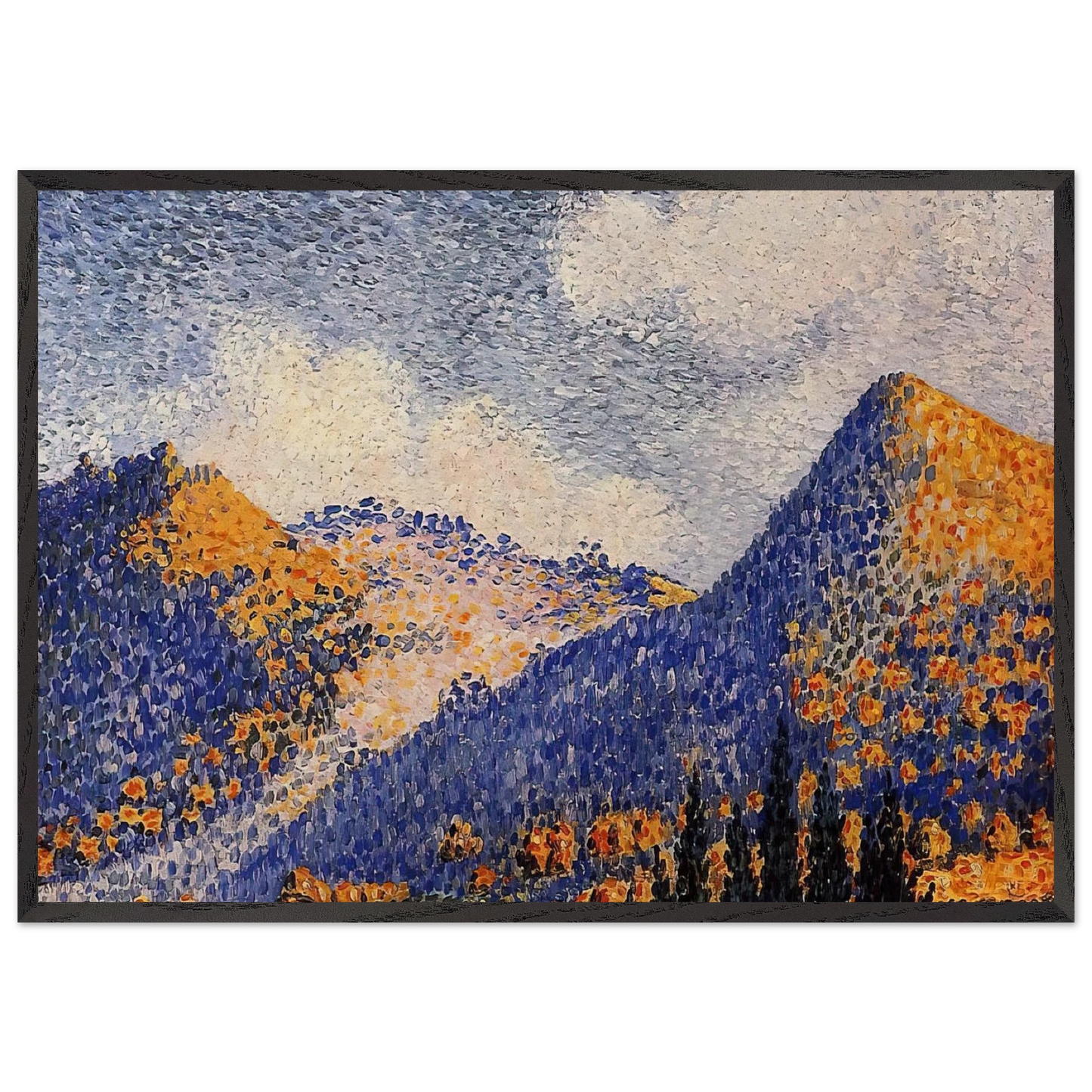
Landscape the Little Maresque Mountains - Henri-Edmond Cross 70x100 cm / 28x40 inches Framed Art Print – Black Wooden Frame
Landscape the Little Maresque Mountains - Henri-Edmond Cross 70x100 cm / 28x40 inches Framed Art Print – Black Wooden Frame
Couldn't load pickup availability
Landscape the Little Maresque Mountains - Henri-Edmond Cross: A Neo-Impressionist Masterpiece
Immerse yourself in the radiant beauty of the French Riviera with this museum-quality framed art print of Henri-Edmond Cross's "Landscape the Little Maresque Mountains." This exquisite reproduction captures the essence of Neo-Impressionism, where Cross masterfully employed the pointillist technique to depict the sun-drenched hills of Provence. The scene, alive with dappled light and vibrant color harmonies, evokes a serene, pastoral mood perfect for elevating any living space, office, or gallery wall.
RedKalion presents this archival-grade fine art print in a sophisticated black wooden frame, crafted from responsibly sourced oak and ash wood. The frame measures a substantial 20mm (0.79") thick and wide, offering a bold, modern presence that enhances the artwork's visual impact. Your print arrives ready-to-hang, complete with a hanging kit, allowing for immediate display without delay.
We ensure lasting quality with premium materials: the print is on 250 gsm (110 lb) matte, uncoated, natural white archival museum-quality paper (0.29 mm thick / 11.4 mils), sourced from sustainable FSC-certified origins. It is protected by shatterproof plexiglass, safeguarding against damage while maintaining clarity. This piece is not merely a decoration but a durable investment in art history, measuring 70x100 cm / 28x40 inches framed, ideal for making a statement in any interior.
As a trusted curator of world-class reproductions, RedKalion combines expertise in art history with uncompromising craftsmanship. Henri-Edmond Cross, a key figure in the Post-Impressionist movement alongside Seurat and Signac, pioneered the use of Divisionism to explore light and color theory—this print faithfully reflects his innovative approach. Elevate your environment with an archival masterpiece that endures, blending historical significance with contemporary elegance.
Discover Unlimited Art Possibilities
At RedKalion, you can find virtually any artwork from any artist, available in a wide range of sizes to perfectly match your space.
If you didn’t find what you’re looking for, contact us at support@redkalion.com . We will source any artwork and produce it in any size and format you need, including art prints, posters, canvas, framed pieces, framed canvas, and more.
For dedicated art enthusiasts, we also offer handcrafted replicas of any artwork, carefully painted by highly skilled artists using traditional techniques.
For custom requests, contact us at support@redkalion.com .
What are the dimensions and framing details of this Henri-Edmond Cross print?
This framed art print measures 70x100 cm / 28x40 inches, featuring a black wooden frame made from responsibly sourced oak and ash wood, 20mm thick and wide, with a ready-to-hang kit included for easy wall display.
What type of paper is used for this museum-quality reproduction?
It uses 250 gsm (110 lb) matte, uncoated, natural white archival museum-quality paper, 0.29 mm thick, from sustainable FSC-certified sources, ideal for fine art prints to ensure longevity and vibrant color reproduction.
How is the print protected in the frame?
The print is safeguarded by shatterproof plexiglass, providing durable protection against damage while maintaining optical clarity for your Henri-Edmond Cross landscape art.
Is this framed print ready to hang upon delivery?
Yes, it comes ready-to-hang with a hanging kit included, so you can display your Neo-Impressionist masterpiece directly on the wall without additional setup.
How long will this archival print last?
With archival museum-quality paper and sustainable materials, this fine art print is designed to resist fading and deterioration, offering lasting beauty for years in your home or office.
What is the historical significance of Henri-Edmond Cross's "Landscape the Little Maresque Mountains"?
This artwork exemplifies Neo-Impressionism, where Cross used pointillist techniques to capture the light of Provence, reflecting his role in advancing color theory and Post-Impressionist art in late 19th-century France.
Can you describe the artistic style and mood of this landscape print?
It features a serene, pastoral mood with vibrant color harmonies and dappled light, characteristic of Cross's Divisionist approach, evoking the tranquil beauty of the French Riviera countryside.