RedKalion
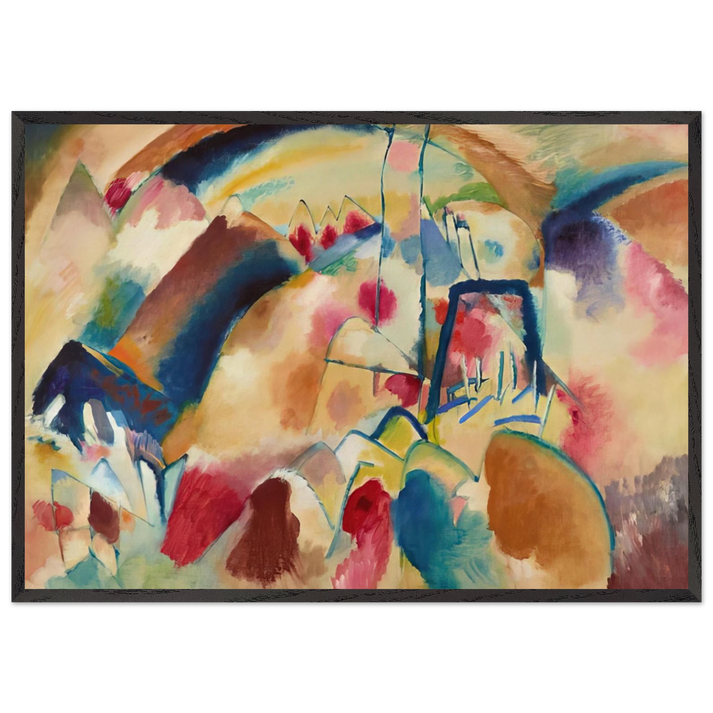
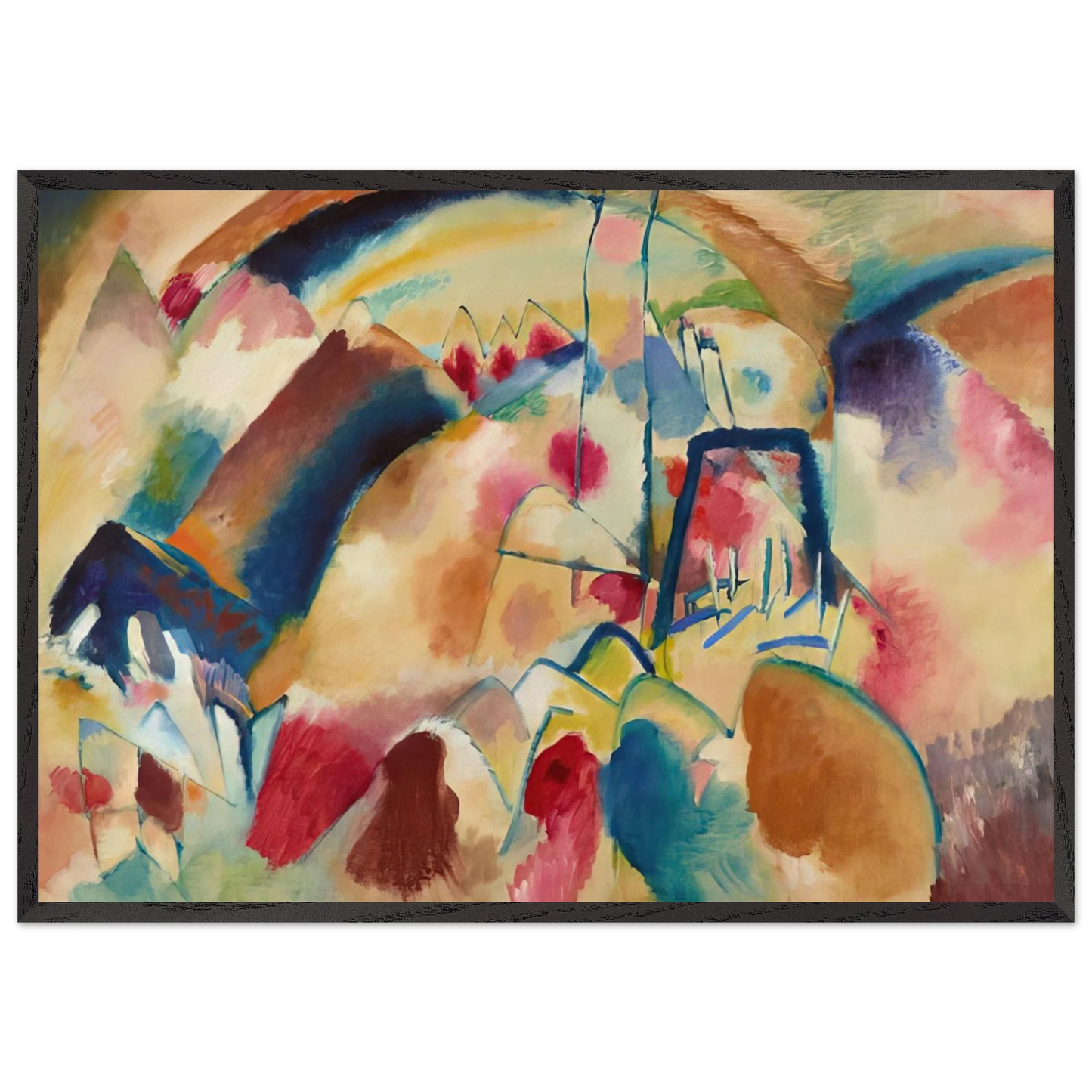
LANDSCAPE WITH CHURCH 1913 - Wassily Kandinsky 70x100 cm / 28x40 inches Framed Art Print – Black Wooden Frame
LANDSCAPE WITH CHURCH 1913 - Wassily Kandinsky 70x100 cm / 28x40 inches Framed Art Print – Black Wooden Frame
Couldn't load pickup availability
Landscape with Church 1913 by Wassily Kandinsky: A Museum-Quality Framed Art Print
Immerse yourself in the revolutionary vision of Wassily Kandinsky with this archival-grade framed art print of Landscape with Church 1913. This piece marks a pivotal moment in art history, where Kandinsky transitioned from representational landscapes to the abstract expressions that would define his legacy. The composition blends vibrant colors and dynamic forms, evoking a sense of spiritual awakening and emotional depth, making it a captivating centerpiece for any modern interior.
RedKalion presents this masterpiece as a premium reproduction, meticulously crafted to museum standards. The print is produced on 250 gsm (110 lb) matte, uncoated, natural white archival paper, ensuring exceptional color fidelity and longevity. It is elegantly framed in a black wooden frame made from responsibly sourced oak and ash wood, measuring 20mm thick and wide for a substantial, gallery-worthy presence. The frame includes a ready-to-hang kit and is protected by shatterproof plexiglass, offering both durability and aesthetic appeal.
Elevate your space with this fine art print that combines historical significance with contemporary craftsmanship, backed by RedKalion's commitment to sustainable, FSC-certified materials.
Discover Unlimited Art Possibilities
At RedKalion, you can find virtually any artwork from any artist, available in a wide range of sizes to perfectly match your space.
If you didn’t find what you’re looking for, contact us at support@redkalion.com . We will source any artwork and produce it in any size and format you need, including art prints, posters, canvas, framed pieces, framed canvas, and more.
For dedicated art enthusiasts, we also offer handcrafted replicas of any artwork, carefully painted by highly skilled artists using traditional techniques.
For custom requests, contact us at support@redkalion.com .
What are the dimensions of this framed Kandinsky print?
The framed art print measures 70x100 cm (28x40 inches), with a black wooden frame that is 20mm thick and wide, providing a sturdy and elegant presentation for this museum-quality reproduction.
What type of paper is used for this fine art print?
We use 250 gsm (110 lb) matte, uncoated, natural white archival museum-quality paper, which ensures vibrant colors and long-lasting durability for your Kandinsky landscape print.
Is this framed print ready to hang?
Yes, this ready-to-hang framed art print includes a hanging kit, allowing you to display it directly on your wall without additional setup.
How is the print protected in the frame?
The print is safeguarded by shatterproof plexiglass, offering clear visibility and protection against damage, making it ideal for a secure fine art display.
What makes this a sustainable art print?
This reproduction uses FSC-certified or equivalent sustainable paper and a frame made from responsibly sourced oak and ash wood, aligning with eco-friendly practices.
Why is Landscape with Church 1913 significant in art history?
This artwork represents Kandinsky's shift toward abstraction, blending emotional color use with symbolic forms to explore spiritual themes, marking a key moment in modern art evolution.
What details highlight Kandinsky's technique in this piece?
Kandinsky employed vibrant hues and dynamic brushstrokes in this landscape to convey inner feelings, foreshadowing his later abstract works and emphasizing expressive, non-representational art.