
RedKalion
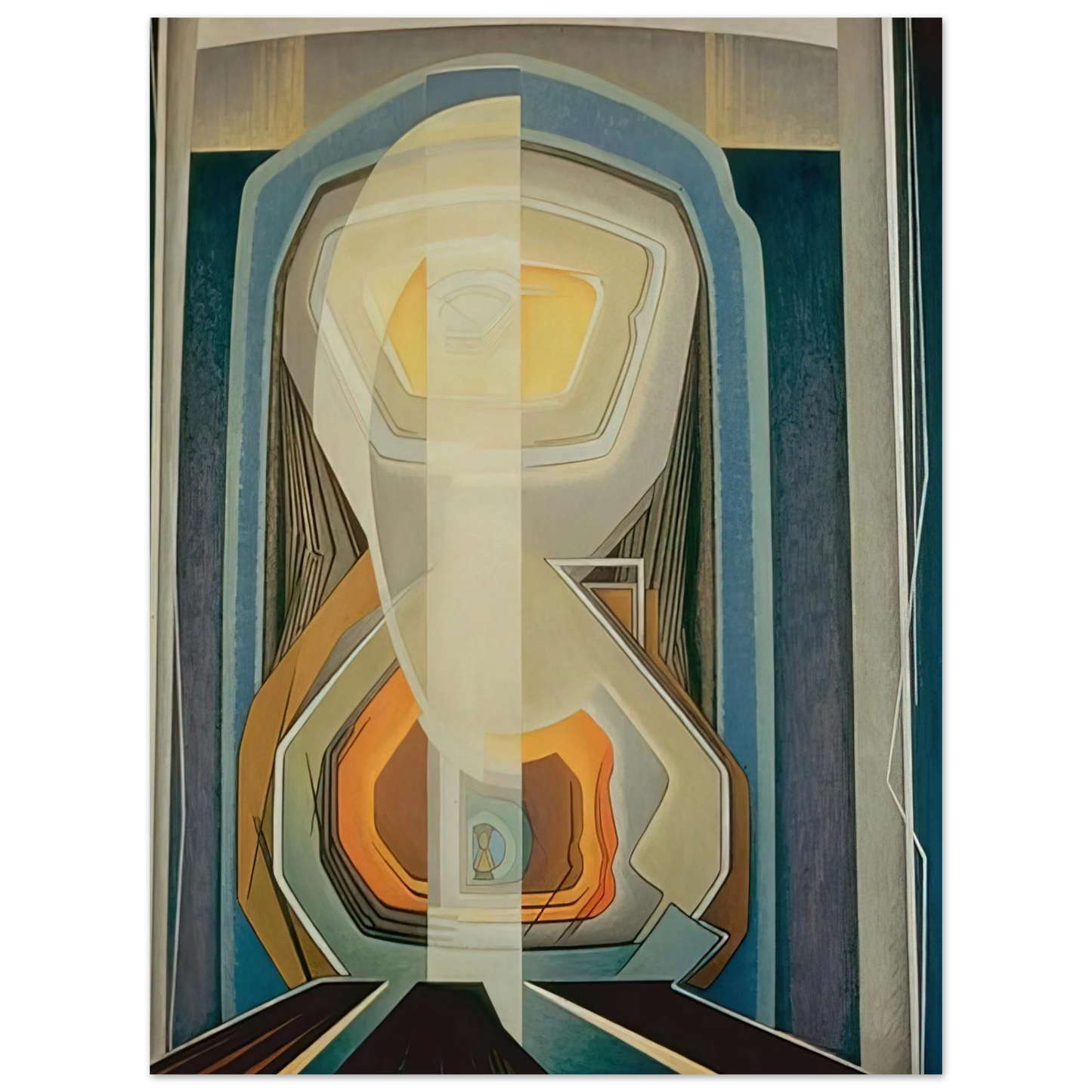
Lawren Harris - Abstract Painting #20 - 1942 75x100 cm / 30x40inches Fine Art Poster
Lawren Harris - Abstract Painting #20 - 1942 75x100 cm / 30x40inches Fine Art Poster
Couldn't load pickup availability
Lawren Harris - Abstract Painting #20 (1942)
Immerse yourself in the bold, modernist vision of Lawren Harris with this premium reproduction of Abstract Painting #20, created in 1942. As a founding member of Canada's iconic Group of Seven, Harris transitioned from his famous Arctic landscapes to pioneering abstract works that explore spiritual and cosmic themes. This piece, measuring 75x100 cm (30x40 inches), exemplifies his mastery of geometric forms and ethereal light, evoking a sense of serene contemplation and intellectual depth. RedKalion presents this museum-quality fine art print on our exclusive Master's Edition archival paper, ensuring every subtle gradient and crisp line is preserved with fidelity.
Our reproduction captures the essence of Harris's innovative technique, where he layered colors to create luminous, almost otherworldly effects. This abstract art print is not merely a decoration but a conversation piece that bridges mid-20th-century modernism with contemporary aesthetics. Printed on-demand to eliminate waste, it arrives ready to elevate any space—from a minimalist office to a curated living room—with its timeless appeal.
- Paper Quality: Master's Edition archival paper, FSC-certified for sustainability, with a matte, uncoated finish in natural white (off-white) for a luxurious texture that resists glare.
- Durability: Acid-free (pH above 7) to prevent yellowing, ensuring this archival-grade reproduction endures for generations without fading.
- Weight & Thickness: 250 gsm (110 lb) and 0.29 mm (11.4 mils) thick, providing a substantial, gallery-worthy feel that enhances its presence on your wall.
- Fulfillment: Printed and shipped on demand with no minimum orders, offering flexibility and reducing environmental impact.
Trust RedKalion, your premier curator of world-class art reproductions, to deliver an heirloom-quality piece that honors Harris's legacy. Elevate your environment with an archival masterpiece that inspires daily reflection and admiration.
Discover Unlimited Art Possibilities
At RedKalion, you can find virtually any artwork from any artist, available in a wide range of sizes to perfectly match your space.
If you didn’t find what you’re looking for, contact us at support@redkalion.com . We will source any artwork and produce it in any size and format you need, including art prints, posters, canvas, framed pieces, framed canvas, and more.
For dedicated art enthusiasts, we also offer handcrafted replicas of any artwork, carefully painted by highly skilled artists using traditional techniques.
For custom requests, contact us at support@redkalion.com .
What are the dimensions of this Lawren Harris print?
This fine art poster measures 75x100 cm (30x40 inches), making it an ideal size for prominent display in homes or offices as a museum-quality reproduction.
What type of paper is used for this archival print?
It's printed on Master's Edition archival paper, which is acid-free, FSC-certified, and features a matte, uncoated finish in natural white for a luxurious texture that enhances abstract art details.
How is this artwork shipped and are there minimum orders?
We print and ship on demand with no minimum orders, ensuring fast fulfillment and reduced waste for this premium fine art poster.
Will this print last over time without fading?
Yes, the acid-free paper (pH above 7) prevents yellowing, and the archival-quality inks ensure long-lasting color fidelity for this Lawren Harris abstract painting reproduction.
What is the weight and thickness of the paper?
The paper is 250 gsm (110 lb) and 0.29 mm (11.4 mils) thick, giving it a substantial, durable feel suitable for framing and display as a high-quality art print.
Why did Lawren Harris create abstract works like this in 1942?
In the 1940s, Harris shifted from landscapes to abstract art to explore spiritual and cosmic themes, using geometric forms and layered colors to evoke deeper emotional and intellectual responses.
How does this print capture Harris's original technique?
Our reproduction preserves the subtle gradients and crisp lines of Harris's method, where he applied colors in layers to create luminous, ethereal effects characteristic of his modernist style.