RedKalion
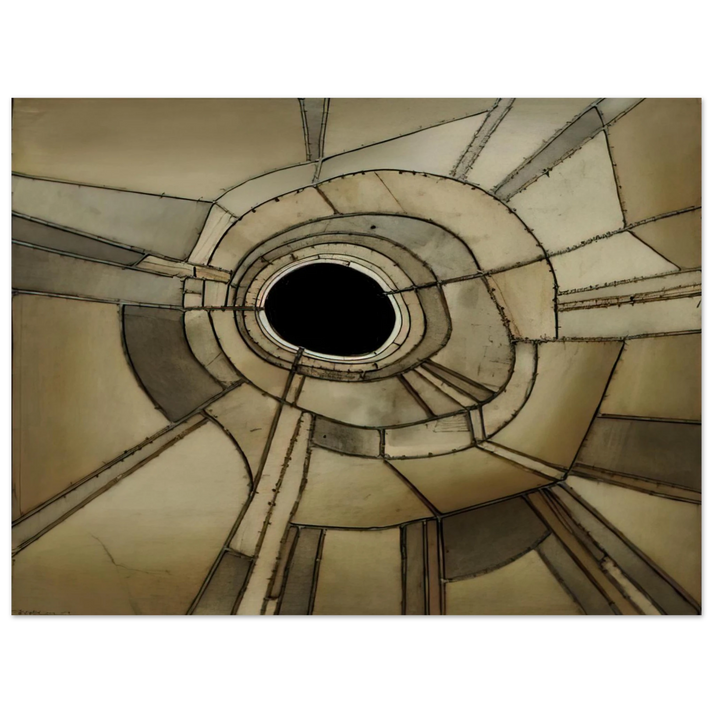
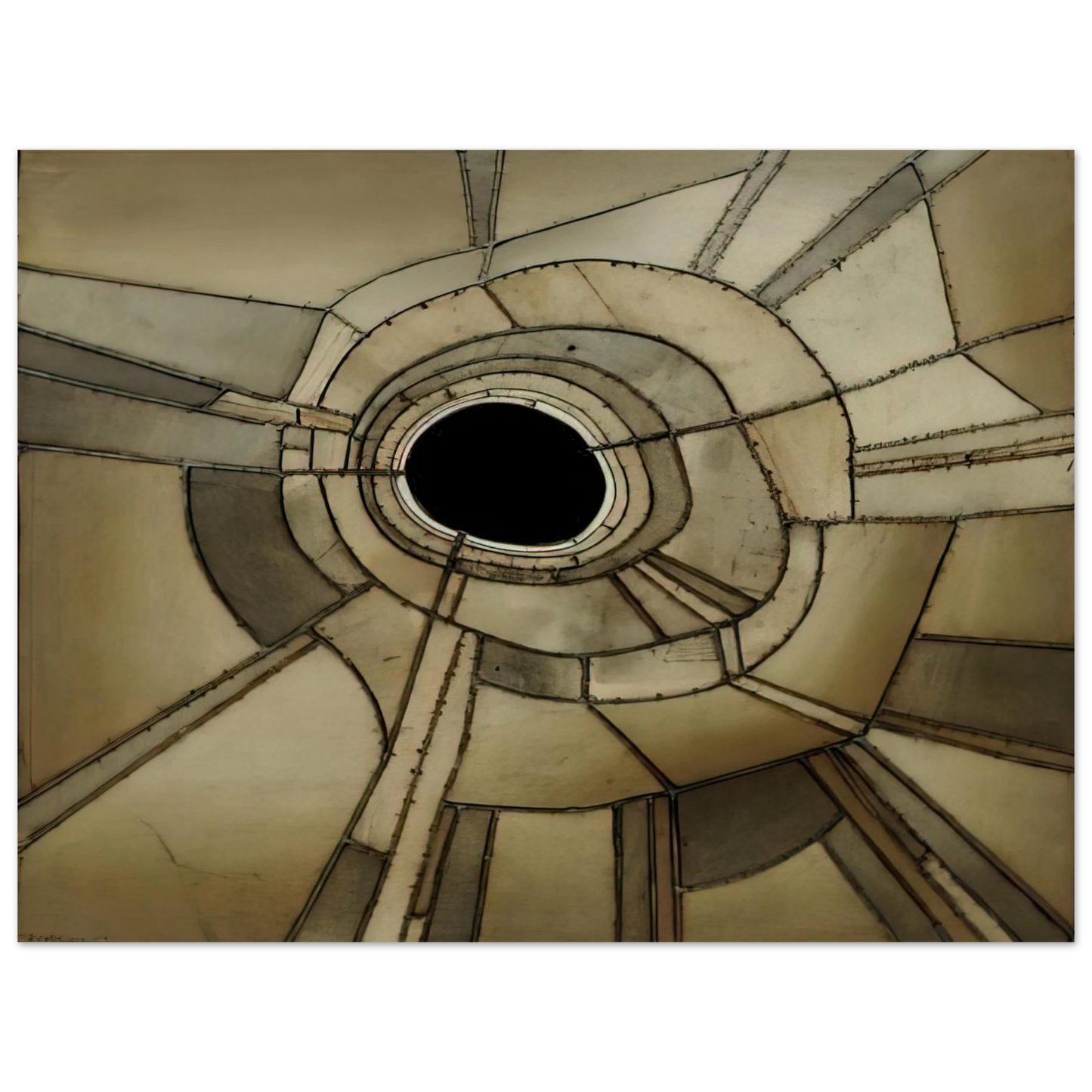
Lee Bontecou - UNTITLED 1959 75x100 cm / 30x40inches Fine Art Poster
Lee Bontecou - UNTITLED 1959 75x100 cm / 30x40inches Fine Art Poster
Couldn't load pickup availability
Lee Bontecou - UNTITLED 1959: A Monumental Abstract Masterpiece
Immerse yourself in the raw, industrial power of Lee Bontecou's UNTITLED 1959, now available as a museum-quality fine art print from RedKalion. This iconic work, measuring 75x100 cm (30x40 inches), captures the artist's revolutionary fusion of sculpture and drawing, where welded steel frames and canvas converge into a haunting, cosmic vision. Created during a pivotal era of post-war American art, Bontecou's piece explores themes of tension, void, and mechanical beauty, evoking a mood of both awe and unease that transforms any space into a gallery of profound contemplation.
RedKalion presents this archival reproduction on our exclusive Master's Edition archival paper, ensuring every detail—from the textured surfaces to the deep, shadowy recesses—is rendered with impeccable fidelity. The matte, uncoated finish in a natural white hue enhances the artwork's tactile quality, while the acid-free composition (pH above 7) guarantees it resists yellowing for generations. Crafted from FSC-certified paper at 250 gsm (110 lb) with a thickness of 0.29 mm (11.4 mils), this print offers a luxurious, durable presence. Elevate your home or office with a piece that bridges art history and modern craftsmanship, printed and shipped on demand with no minimum orders.
Why This Artwork Matters: Bontecou was a trailblazer in the 1950s and 60s, often using salvaged industrial materials to challenge traditional boundaries. Her work in UNTITLED 1959 reflects a unique blend of abstraction and figuration, inviting viewers to ponder the mysteries of space and machinery—a testament to her enduring influence in contemporary art.
Discover Unlimited Art Possibilities
At RedKalion, you can find virtually any artwork from any artist, available in a wide range of sizes to perfectly match your space.
If you didn’t find what you’re looking for, contact us at support@redkalion.com . We will source any artwork and produce it in any size and format you need, including art prints, posters, canvas, framed pieces, framed canvas, and more.
For dedicated art enthusiasts, we also offer handcrafted replicas of any artwork, carefully painted by highly skilled artists using traditional techniques.
For custom requests, contact us at support@redkalion.com .
What are the dimensions and details of the Lee Bontecou UNTITLED 1959 print?
This fine art poster measures 75x100 cm (30x40 inches), capturing the original's monumental scale and intricate details from 1959, perfect for a statement wall display.
What type of paper is used for this museum-quality reproduction?
It's printed on Master's Edition archival paper, a matte, uncoated, natural white sheet that ensures a luxurious texture and true-to-life color accuracy for your art collection.
How durable and long-lasting is this fine art print?
Made from acid-free paper (pH above 7) at 250 gsm (110 lb) and 0.29 mm thick, it resists yellowing and degradation, offering archival longevity for decades.
What is the shipping and fulfillment process for this print?
We print and ship on demand with no minimum orders, providing fast, eco-friendly fulfillment directly to your door for a seamless shopping experience.
Is the paper sustainable and environmentally friendly?
Yes, it uses FSC-certified paper, supporting responsible forestry practices for a sustainable fine art print that aligns with modern values.
What artistic techniques did Lee Bontecou use in UNTITLED 1959?
Bontecou combined welded steel, canvas, and soot to create textured, abstract forms that explore industrial aesthetics and cosmic themes, pioneering a unique mixed-media approach.
Why is UNTITLED 1959 significant in art history?
It represents a key work from the post-war era, blending sculpture and drawing to challenge traditional art boundaries and influence later abstract and minimalist movements.