
RedKalion
LEMONS AND SAXIFRAGES 1943 - Henri Matisse 70x100 cm / 28x40 inches Framed Art Print – Black Wooden Frame
LEMONS AND SAXIFRAGES 1943 - Henri Matisse 70x100 cm / 28x40 inches Framed Art Print – Black Wooden Frame
Couldn't load pickup availability
Lemons and Saxifrages 1943 - Henri Matisse: A Framed Art Print of Botanical Brilliance
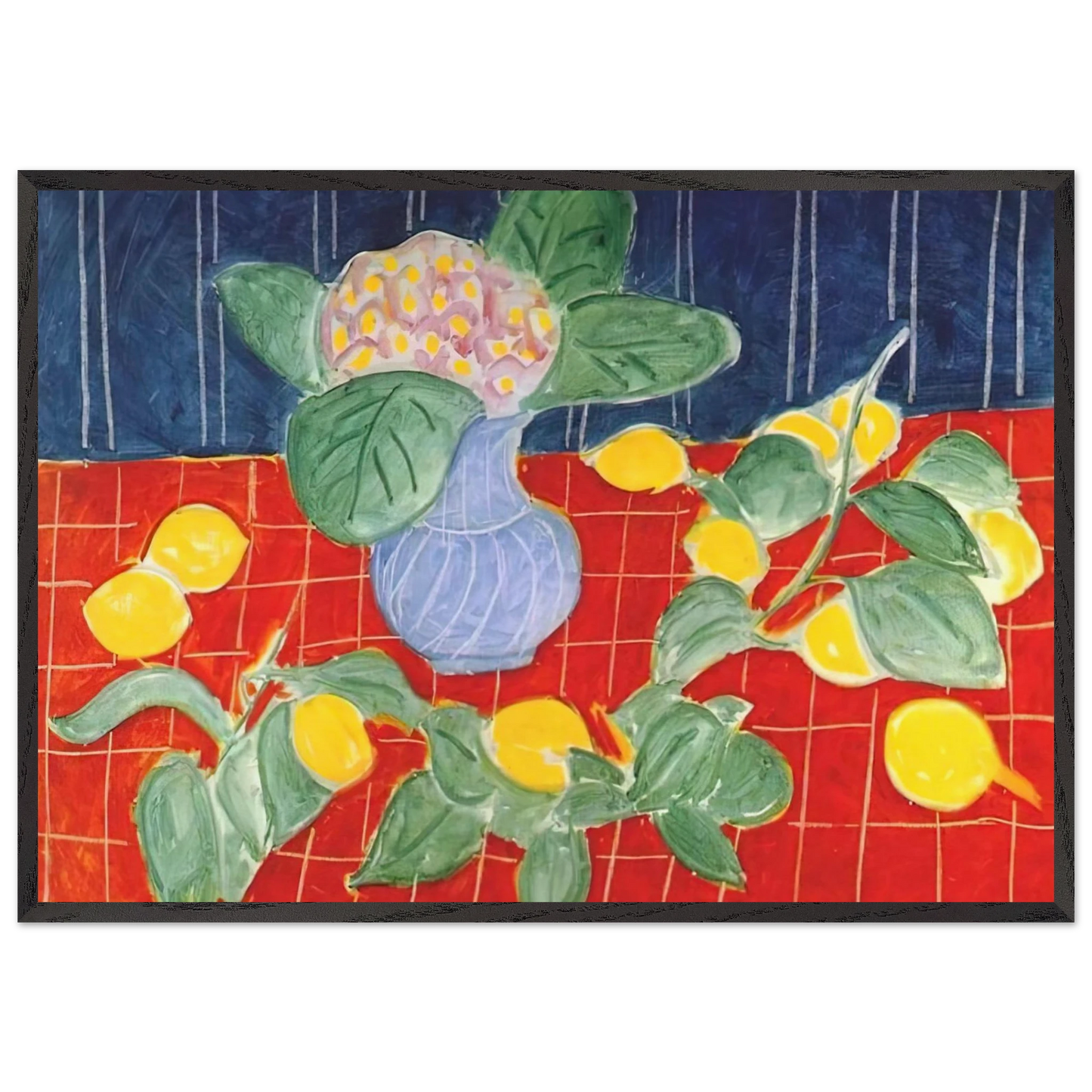
Immerse yourself in the vibrant world of Henri Matisse with this museum-quality reproduction of Lemons and Saxifrages 1943. This fine art print captures Matisse's bold use of color and simplified forms, showcasing his late-career mastery in a composition that radiates joy and vitality. Measuring 70x100 cm (28x40 inches), this piece is expertly framed in a sleek black wooden frame, making it a stunning addition to any interior.
Created during a period of intense creativity despite personal challenges, Lemons and Saxifrages reflects Matisse's fascination with botanical subjects and his ability to transform everyday objects into dynamic visual poetry. The lemons and saxifrage flowers are rendered with a playful yet precise touch, highlighting his innovative approach to still life that influenced modern art. This archival-grade reproduction ensures every brushstroke and hue is faithfully preserved, allowing you to own a piece of art history.
RedKalion presents this framed art print as part of our curated collection of premium reproductions. Each print is crafted on 250 gsm (110 lb) matte, uncoated, natural white paper, with a thickness of 0.29 mm (11.4 mils), ensuring durability and a tactile, gallery-like finish. The frame, made from responsibly sourced oak and ash wood, measures 20mm (0.79") thick and wide, providing a substantial presence that enhances the artwork's impact. Protected by shatterproof plexiglass and printed on FSC-certified sustainable paper, this piece is designed to endure for generations. Elevate your space with an archival masterpiece that combines artistic heritage with contemporary craftsmanship, ready to hang directly on your wall with the included hanging kit.
Discover Unlimited Art Possibilities
At RedKalion, you can find virtually any artwork from any artist, available in a wide range of sizes to perfectly match your space.
If you didn’t find what you’re looking for, contact us at support@redkalion.com . We will source any artwork and produce it in any size and format you need, including art prints, posters, canvas, framed pieces, framed canvas, and more.
For dedicated art enthusiasts, we also offer handcrafted replicas of any artwork, carefully painted by highly skilled artists using traditional techniques.
For custom requests, contact us at support@redkalion.com .
What are the dimensions and framing details of this Henri Matisse print?
This framed art print measures 70x100 cm (28x40 inches) with a black wooden frame made from responsibly sourced oak and ash wood, 20mm thick and wide, and includes a hanging kit for easy installation.
What type of paper is used for this fine art reproduction?
It uses 250 gsm (110 lb) matte, uncoated, natural white archival museum-quality paper, 0.29 mm thick, made from FSC-certified sustainable materials for durability and a premium finish.
How is the print protected in the frame?
The print is safeguarded by shatterproof plexiglass, ensuring long-term preservation and safety against damage, making it ideal for high-traffic areas or homes with children.
Is this framed print ready to hang upon delivery?
Yes, this ready-to-hang framed art print includes a complete hanging kit, allowing for immediate display without additional assembly or tools required.
How long will this archival print last without fading?
Printed on archival museum-quality paper with fade-resistant inks, this reproduction is designed to maintain its vibrant colors for decades under normal indoor conditions.
What is the historical significance of Lemons and Saxifrages by Henri Matisse?
Created in 1943, this work showcases Matisse's late-career focus on botanical subjects, using bold colors and simplified forms to explore joy and vitality during a challenging period in his life.
Why did Matisse choose lemons and saxifrage flowers for this composition?
Matisse often used everyday objects like lemons and flowers to experiment with color harmony and form, reflecting his interest in nature's beauty and its symbolic resonance in modern art.