
RedKalion
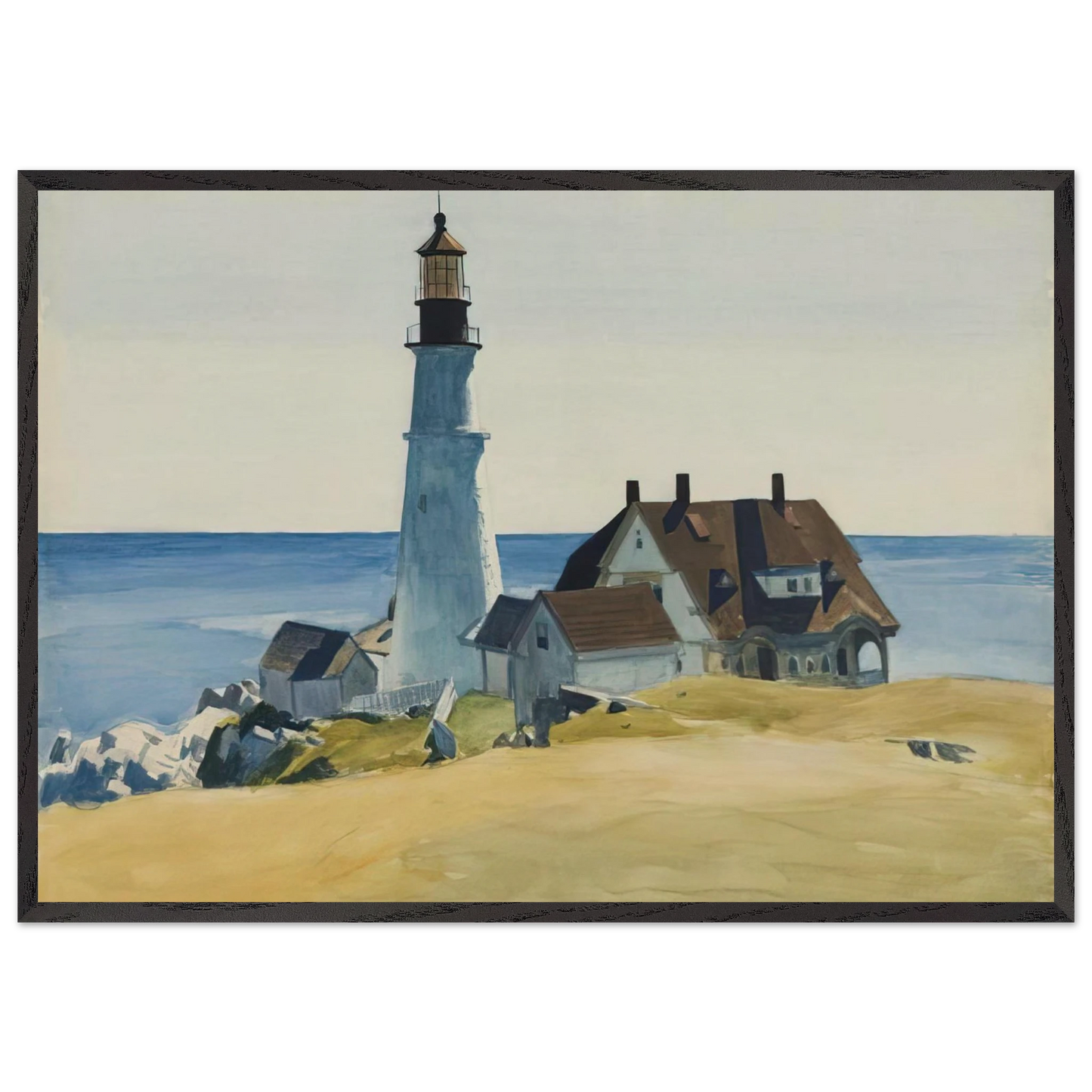
Lighthouse and Buildings Portland Head Cape Elizabeth Maine - Edward Hopper 70x100 cm / 28x40 inches Framed Art Print – Black Wooden Frame
Lighthouse and Buildings Portland Head Cape Elizabeth Maine - Edward Hopper 70x100 cm / 28x40 inches Framed Art Print – Black Wooden Frame
Couldn't load pickup availability
Lighthouse and Buildings Portland Head Cape Elizabeth Maine – Edward Hopper
Experience the stark beauty and atmospheric tension of Edward Hopper's "Lighthouse and Buildings Portland Head Cape Elizabeth Maine" with this museum-quality art print. This iconic 1927 work captures the rugged Maine coastline with Hopper's signature precision and emotional depth, offering a glimpse into the artist's unique vision of American solitude and light.
Hopper, a master of 20th-century American realism, employed a restrained palette and geometric clarity to evoke a sense of quiet drama. This fine art reproduction faithfully replicates the original's subtle interplay of shadow and structure, making it a captivating centerpiece for any interior.
Presented in a black wooden frame crafted from responsibly sourced oak and ash wood, this framed art print measures 70x100 cm (28x40 inches). The frame features a substantial 20mm (0.79") thickness, wider than classic 14mm frames, providing a bold, contemporary presence. It arrives ready-to-hang with an included hanging kit for immediate display.
The artwork is printed on archival museum-quality paper—250 gsm (110 lb), 0.29 mm thick, with a matte, uncoated, natural white finish that ensures longevity and authentic texture. Protected by shatterproof plexiglass and using sustainable FSC-certified materials, this RedKalion reproduction combines historical artistry with modern durability. Elevate your space with an archival masterpiece that endures, bringing Hopper's timeless coastal scene into your home or office.
Discover Unlimited Art Possibilities
At RedKalion, you can find virtually any artwork from any artist, available in a wide range of sizes to perfectly match your space.
If you didn’t find what you’re looking for, contact us at support@redkalion.com . We will source any artwork and produce it in any size and format you need, including art prints, posters, canvas, framed pieces, framed canvas, and more.
For dedicated art enthusiasts, we also offer handcrafted replicas of any artwork, carefully painted by highly skilled artists using traditional techniques.
For custom requests, contact us at support@redkalion.com .
What are the details of this Edward Hopper artwork?
This print reproduces Edward Hopper's "Lighthouse and Buildings Portland Head Cape Elizabeth Maine" from 1927, showcasing his American realism style with a focus on coastal architecture and atmospheric light in a fine art print.
What are the specifications of the paper used for this print?
The print uses archival museum-quality paper: 250 gsm (110 lb) weight, 0.29 mm thickness, with a matte, uncoated, natural white finish for optimal durability and fine art reproduction quality.
How is this framed art print shipped and installed?
It arrives ready-to-hang with a hanging kit included, securely packaged for safe delivery of this 70x100 cm framed art print in a black wooden frame.
How long will this archival print last?
Made with FSC-certified sustainable materials and protected by shatterproof plexiglass, this museum-quality art print is designed for archival longevity, resisting fading and damage over time.
What makes this frame different from standard frames?
The black wooden frame is 20mm (0.79") thick and wide, using responsibly sourced oak and ash wood, offering a bolder look than classic 14mm frames for enhanced display.
Why did Edward Hopper paint this lighthouse scene?
Hopper often depicted New England coastal scenes to explore themes of isolation and light; this 1927 work reflects his interest in architectural forms and natural settings in American realism.
What techniques did Hopper use in this painting?
Hopper employed a restrained color palette, geometric precision, and dramatic shadow play to create emotional depth and a sense of quiet drama in this fine art masterpiece.