RedKalion
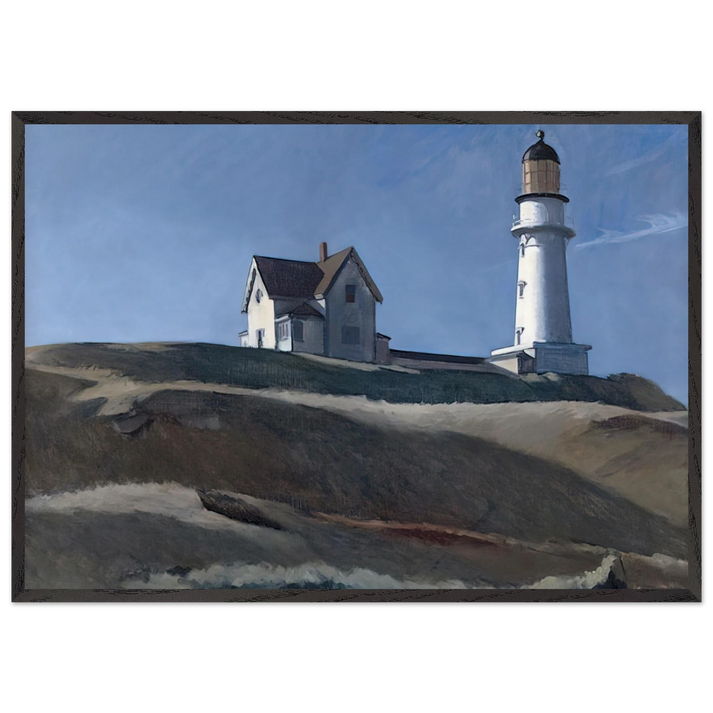
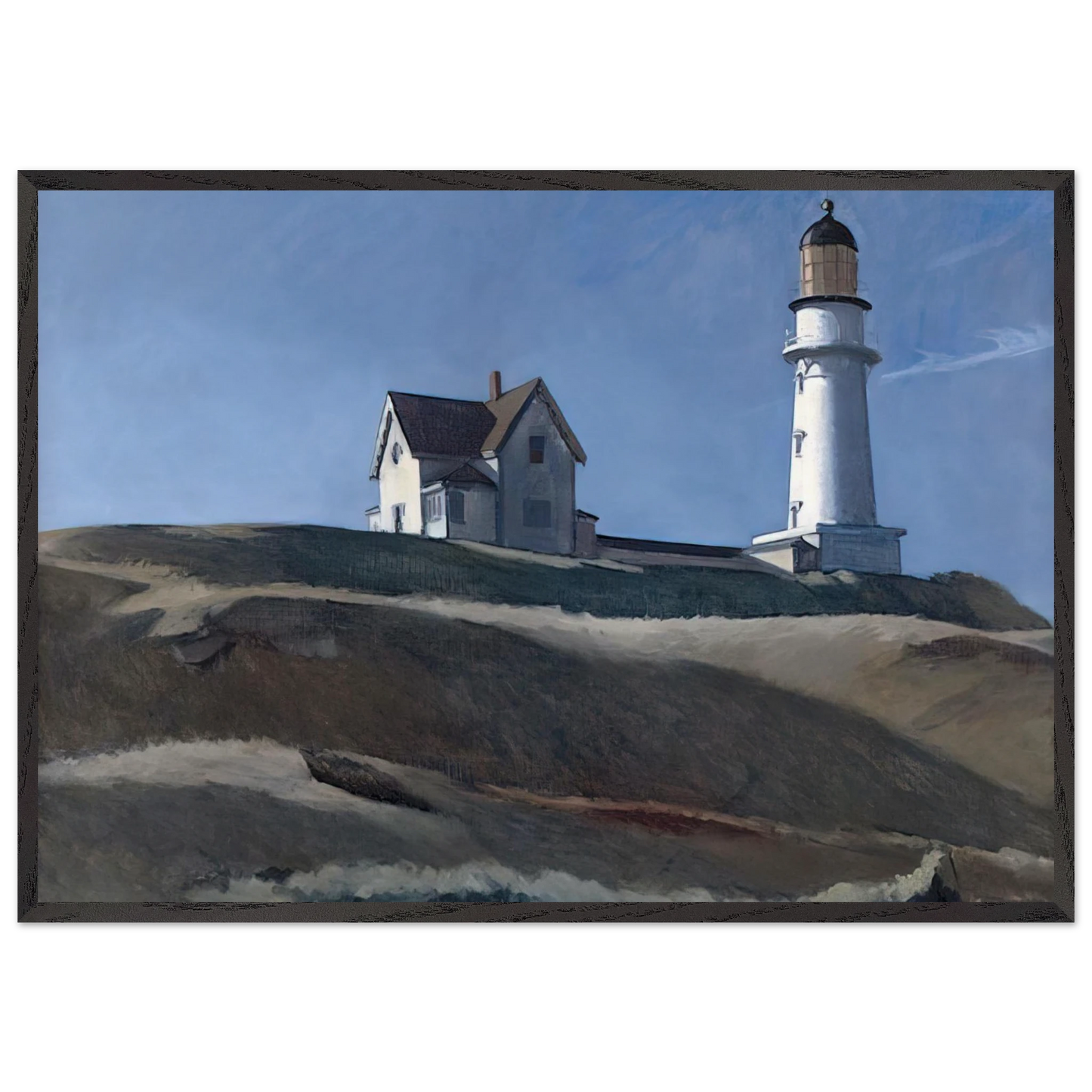
Lighthouse HIll - Edward Hopper 70x100 cm / 28x40 inches Framed Art Print – Black Wooden Frame
Lighthouse HIll - Edward Hopper 70x100 cm / 28x40 inches Framed Art Print – Black Wooden Frame
Couldn't load pickup availability
Lighthouse Hill - Edward Hopper 70x100 cm / 28x40 inches Framed Art Print – Black Wooden Frame
Elevate your space with a museum-quality reproduction of Edward Hopper's "Lighthouse Hill", a quintessential American masterpiece that captures the stark beauty and quiet solitude of the New England coast. This fine art print is meticulously crafted to archival standards, ensuring its vibrancy endures for generations.
Hopper, a master of light and mood, depicts the iconic lighthouse with his signature precision, using sharp contrasts and geometric forms to evoke a sense of timeless isolation. The composition's dramatic shadows and serene atmosphere make it a compelling addition to any interior, from modern lofts to traditional studies.
Our premium framed art print arrives ready-to-hang, complete with a hanging kit for immediate display. The frame is crafted from responsibly sourced oak and ash wood, finished in a sleek black, with substantial 20mm (0.79") thickness for a bold, gallery-worthy presence. The print is protected by shatterproof plexiglass and printed on 250 gsm (110 lb) matte, uncoated, natural white archival paper—FSC-certified for sustainability—ensuring rich detail and true-to-life color reproduction.
Invest in a piece of art history with this Edward Hopper print, a testament to RedKalion's commitment to curating only the finest, archival-grade reproductions for discerning collectors.
Discover Unlimited Art Possibilities
At RedKalion, you can find virtually any artwork from any artist, available in a wide range of sizes to perfectly match your space.
If you didn’t find what you’re looking for, contact us at support@redkalion.com . We will source any artwork and produce it in any size and format you need, including art prints, posters, canvas, framed pieces, framed canvas, and more.
For dedicated art enthusiasts, we also offer handcrafted replicas of any artwork, carefully painted by highly skilled artists using traditional techniques.
For custom requests, contact us at support@redkalion.com .
What are the dimensions of this Edward Hopper framed art print?
The framed print measures 70x100 cm (28x40 inches), with a 20mm (0.79") thick black wooden frame, offering a substantial gallery-style presentation for this museum-quality reproduction.
What type of paper is used for this fine art print?
We use 250 gsm (110 lb) matte, uncoated, natural white archival museum-quality paper, FSC-certified for sustainability, ensuring optimal color fidelity and longevity for your Edward Hopper artwork.
Is this Lighthouse Hill print ready to hang?
Yes, it arrives ready-to-hang with a complete hanging kit, allowing you to display this Edward Hopper masterpiece directly on your wall upon delivery.
How is the print protected in the frame?
The print is safeguarded by shatterproof plexiglass, providing durable protection against damage while maintaining clarity for viewing this archival-grade reproduction.
What is the frame made of, and is it sustainable?
The frame is crafted from responsibly sourced oak and ash wood, finished in black, and paired with FSC-certified paper, reflecting our commitment to eco-friendly fine art prints.
What artistic techniques did Edward Hopper use in Lighthouse Hill?
Hopper employed sharp geometric forms and dramatic light contrasts to evoke solitude, characteristic of his American Realist style, capturing the New England landscape's serene mood.
Why is Lighthouse Hill significant in Hopper's body of work?
It exemplifies his mastery of isolating architectural subjects to convey emotional depth, reflecting early 20th-century American themes of introspection and coastal life.