RedKalion
Living Edge - 1973 - Helen Frankenthaler Acrylic Print - 70x100 cm / 28x40″ inches | Helen Frankenthaler Wall Art | Helen Frankenthaler Prints
Living Edge - 1973 - Helen Frankenthaler Acrylic Print - 70x100 cm / 28x40″ inches | Helen Frankenthaler Wall Art | Helen Frankenthaler Prints
Couldn't load pickup availability
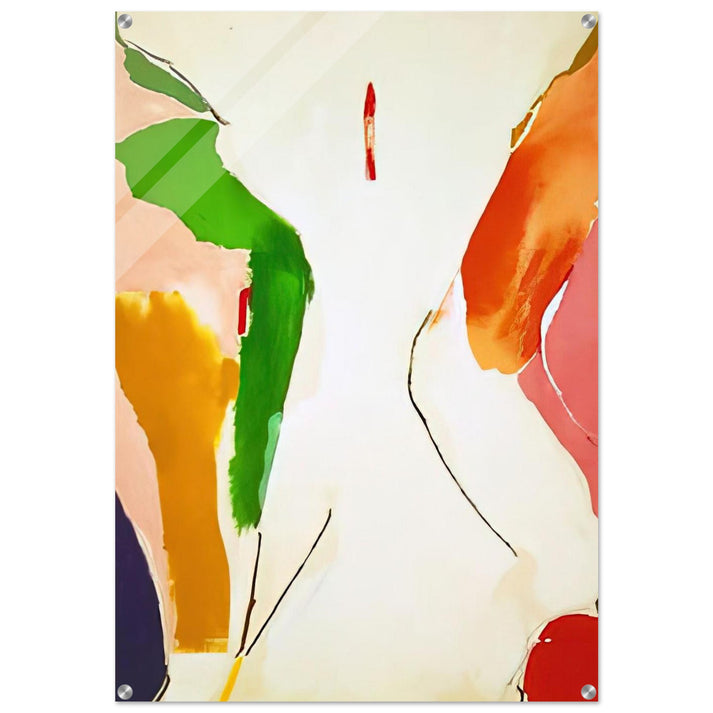
Living Edge (1973) by Helen Frankenthaler
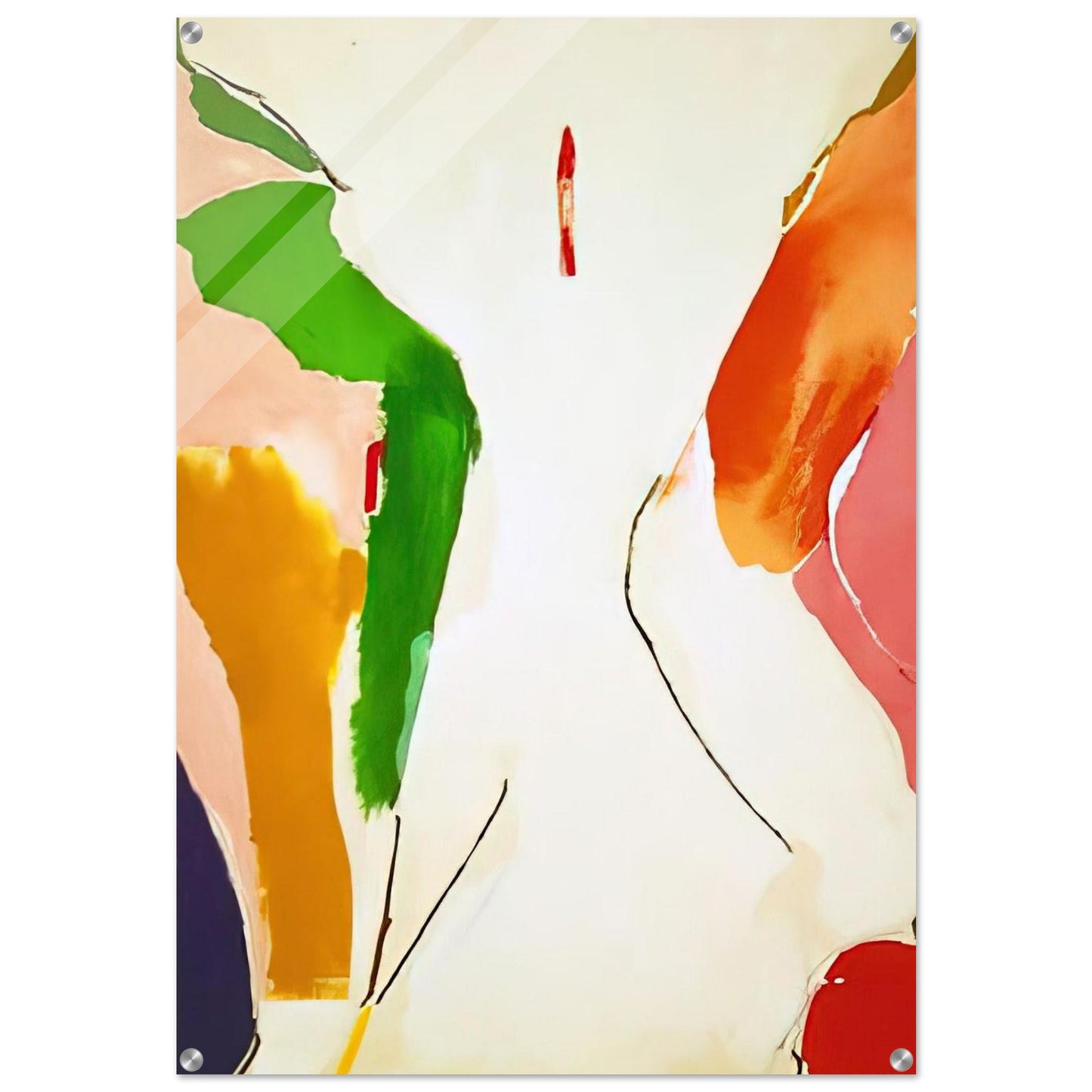
Experience the groundbreaking beauty of Helen Frankenthaler's "Living Edge" (1973) with this museum-quality acrylic print. As a pioneering figure in Color Field painting, Frankenthaler revolutionized abstract art with her soak-stain technique, where thinned acrylics were poured directly onto unprimed canvas, creating ethereal, flowing forms. "Living Edge" exemplifies her mastery of color and spontaneity, with vibrant hues bleeding into one another to evoke a sense of organic movement and emotional depth. This piece captures the essence of post-war American abstraction, making it a timeless addition to any art collection.
RedKalion presents this premium reproduction on a 4mm (0.15") acrylic surface, ensuring a sleek, vibrant, and durable finish that enhances the artwork's luminosity. The 70x100 cm / 28x40" inches dimensions offer a commanding presence, while straight-cut corners provide a modern aesthetic. Transparent backgrounds are rendered in white for optimal presentation, and the piece includes a complete hanging kit with hardware, screws, and pre-drilled holes (14mm from the edge, 8mm diameter, 15mm screw head) for effortless installation.
Elevate your space with an archival masterpiece that endures, backed by RedKalion's commitment to fine art prints of uncompromising quality. This Helen Frankenthaler wall art is not just a decoration but a conversation piece that honors one of the 20th century's most influential artists.
Discover Unlimited Art Possibilities
At RedKalion, you can find virtually any artwork from any artist, available in a wide range of sizes to perfectly match your space.
If you didn’t find what you’re looking for, contact us at support@redkalion.com . We will source any artwork and produce it in any size and format you need, including art prints, posters, canvas, framed pieces, framed canvas, and more.
For dedicated art enthusiasts, we also offer handcrafted replicas of any artwork, carefully painted by highly skilled artists using traditional techniques.
For custom requests, contact us at support@redkalion.com .
What is the significance of Helen Frankenthaler's "Living Edge" (1973)?
"Living Edge" showcases Frankenthaler's iconic soak-stain technique, a pivotal innovation in Color Field painting that influenced artists like Morris Louis and Kenneth Noland, creating fluid, abstract forms with emotional resonance.
How does the acrylic print enhance the artwork's appearance?
The 4mm acrylic surface provides a sleek, vibrant finish that amplifies color saturation and luminosity, offering a durable, museum-quality reproduction ideal for Helen Frankenthaler prints.
What are the dimensions and hanging details for this print?
This fine art print measures 70x100 cm (28x40 inches) and includes a hanging kit with pre-drilled holes (14mm from edge, 8mm diameter) for easy installation of your Helen Frankenthaler wall art.
Is the print archival and long-lasting?
Yes, our premium acrylic prints are designed for archival longevity, resisting fading and damage to ensure your Helen Frankenthaler acrylic print remains vibrant for years.
How is shipping handled for this artwork?
We offer secure, tracked shipping with protective packaging to ensure your museum-quality reproduction arrives safely and ready to display.
What makes Frankenthaler's soak-stain technique unique?
Frankenthaler poured thinned acrylics onto unprimed canvas, allowing colors to soak and stain, creating soft-edged, organic forms that broke from traditional brushwork in abstract art.
Why are transparent backgrounds set to white in this print?
Transparent backgrounds default to white to optimize presentation and contrast, enhancing the visual impact of the artwork in your space.