RedKalion
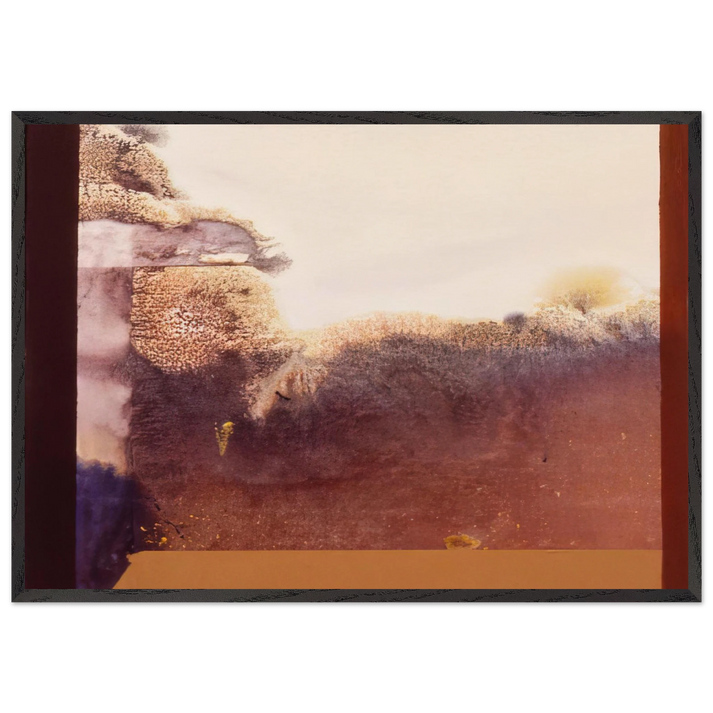
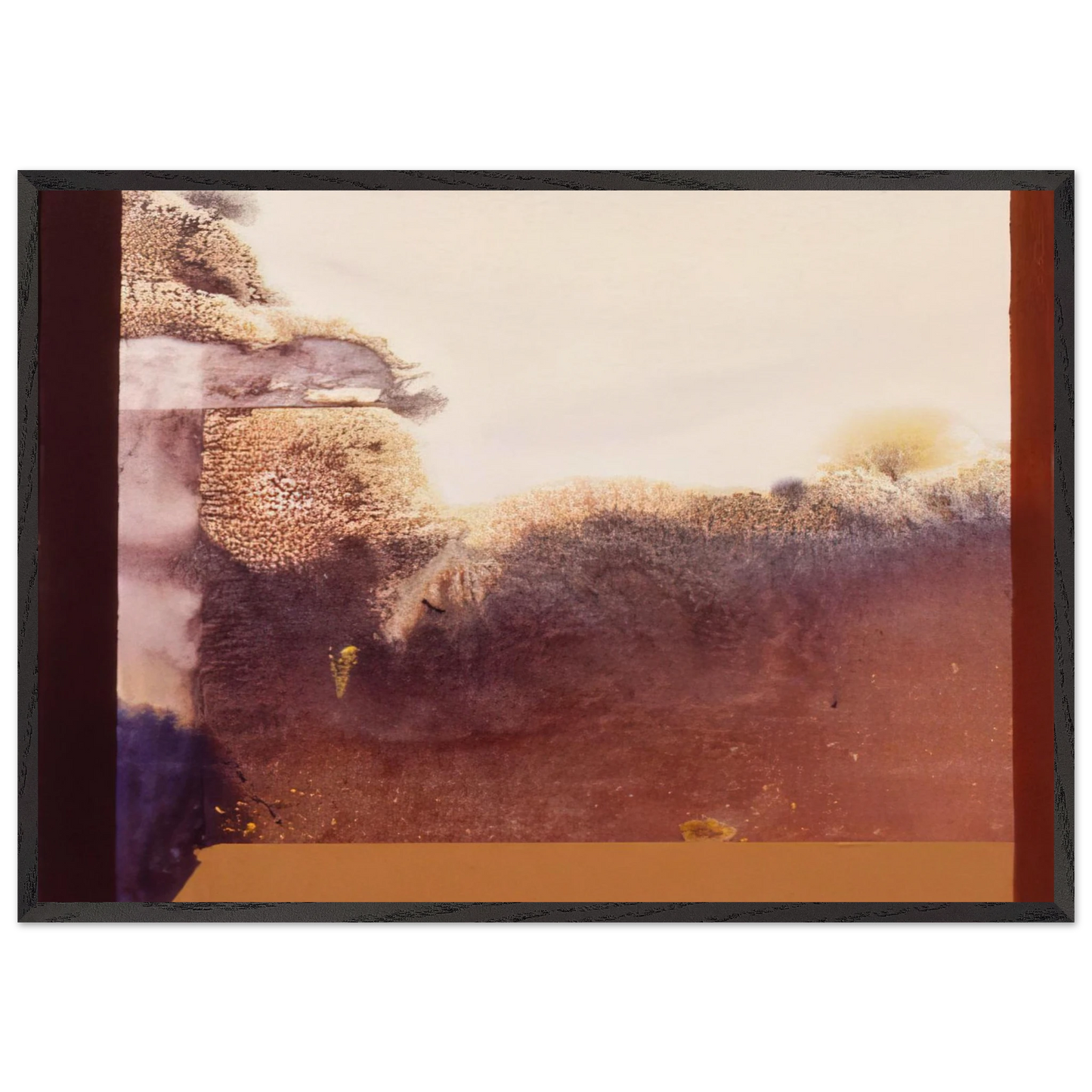
Lost In Rio De Janiero - Lyrical Abstraction - Ronnie Landfield 70x100 cm / 28x40 inches Framed Art Print – Black Wooden Frame
Lost In Rio De Janiero - Lyrical Abstraction - Ronnie Landfield 70x100 cm / 28x40 inches Framed Art Print – Black Wooden Frame
Couldn't load pickup availability
Lost In Rio De Janeiro - Lyrical Abstraction by Ronnie Landfield
Immerse yourself in the vibrant energy of Rio de Janeiro through Ronnie Landfield's masterful Lyrical Abstraction painting, Lost In Rio De Janeiro. This fine art print captures the dynamic interplay of color and form that defines Landfield's work, evoking the rhythm and spirit of Brazil's iconic city. Created during the height of the Color Field movement, this piece showcases the artist's signature blend of gestural brushwork and luminous hues, offering a sophisticated focal point for any modern interior.
RedKalion presents this museum-quality reproduction as a framed art print, meticulously crafted to archival standards. The artwork is printed on 250 gsm (110 lb) matte, uncoated, natural white paper with a thickness of 0.29 mm (11.4 mils), ensuring exceptional durability and color fidelity. It is elegantly housed in a black wooden frame made from responsibly sourced oak and ash wood, measuring 20mm (0.79") thick and wide for a substantial, gallery-worthy presence. The frame includes a ready-to-hang kit and is protected by shatterproof plexiglass, making it both secure and easy to display. Elevate your space with an archival masterpiece that endures, backed by RedKalion's commitment to sustainable paper using FSC-certified materials.
Art Historical Insight: Ronnie Landfield, a key figure in American abstract painting of the 1960s and 1970s, developed Lyrical Abstraction as a response to the rigid structures of Minimalism. His works, like Lost In Rio De Janeiro, emphasize emotional expression through fluid, organic forms and a rich palette, drawing inspiration from global landscapes and cultural experiences.
Discover Unlimited Art Possibilities
At RedKalion, you can find virtually any artwork from any artist, available in a wide range of sizes to perfectly match your space.
If you didn’t find what you’re looking for, contact us at support@redkalion.com . We will source any artwork and produce it in any size and format you need, including art prints, posters, canvas, framed pieces, framed canvas, and more.
For dedicated art enthusiasts, we also offer handcrafted replicas of any artwork, carefully painted by highly skilled artists using traditional techniques.
For custom requests, contact us at support@redkalion.com .
What are the dimensions of this framed art print?
This framed art print measures 70x100 cm (28x40 inches), including the black wooden frame, making it a substantial piece ideal for living rooms, offices, or galleries.
What type of paper is used for this fine art print?
We use 250 gsm (110 lb) matte, uncoated, natural white archival museum-quality paper, with a thickness of 0.29 mm (11.4 mils), ensuring vibrant colors and long-lasting durability for your Lyrical Abstraction reproduction.
Is this framed print ready to hang?
Yes, it includes a hanging kit and is ready to hang directly on the wall, offering a hassle-free setup for displaying your Ronnie Landfield artwork.
How is the print protected in the frame?
The print is protected by shatterproof plexiglass, which safeguards it from damage while maintaining clarity, making this a secure choice for homes or high-traffic areas.
What materials are used in the black wooden frame?
The frame is made from responsibly sourced oak and ash wood, measuring 20mm (0.79") thick and wide, providing a sturdy and elegant border for your museum-quality art print.
What is Lyrical Abstraction in art history?
Lyrical Abstraction is an art movement from the late 1960s and 1970s that emphasizes emotional expression through fluid, gestural forms and vibrant colors, as seen in Ronnie Landfield's work like Lost In Rio De Janeiro.
How does this artwork reflect Rio de Janeiro's influence?
Ronnie Landfield's use of dynamic colors and rhythmic brushstrokes in Lost In Rio De Janeiro evokes the lively atmosphere and cultural vibrancy of Rio, blending abstract art with geographical inspiration.