RedKalion
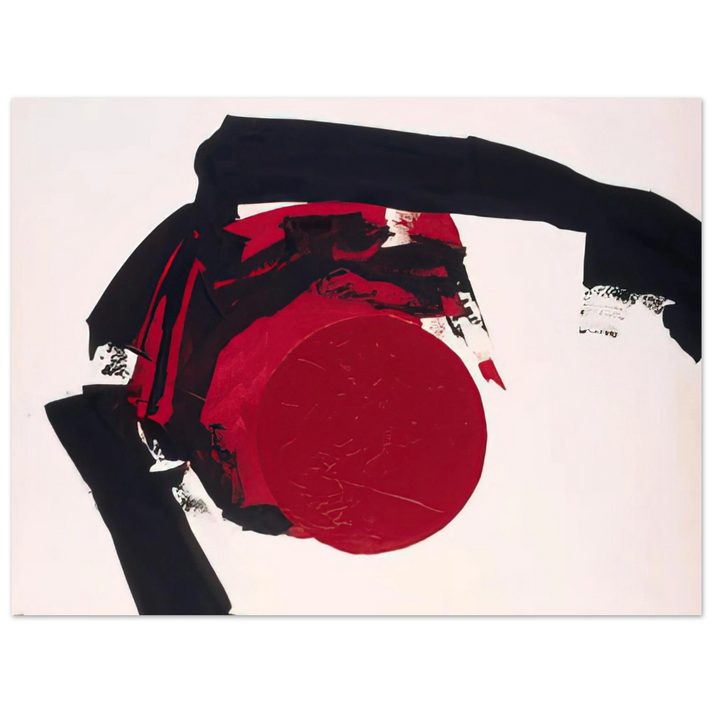
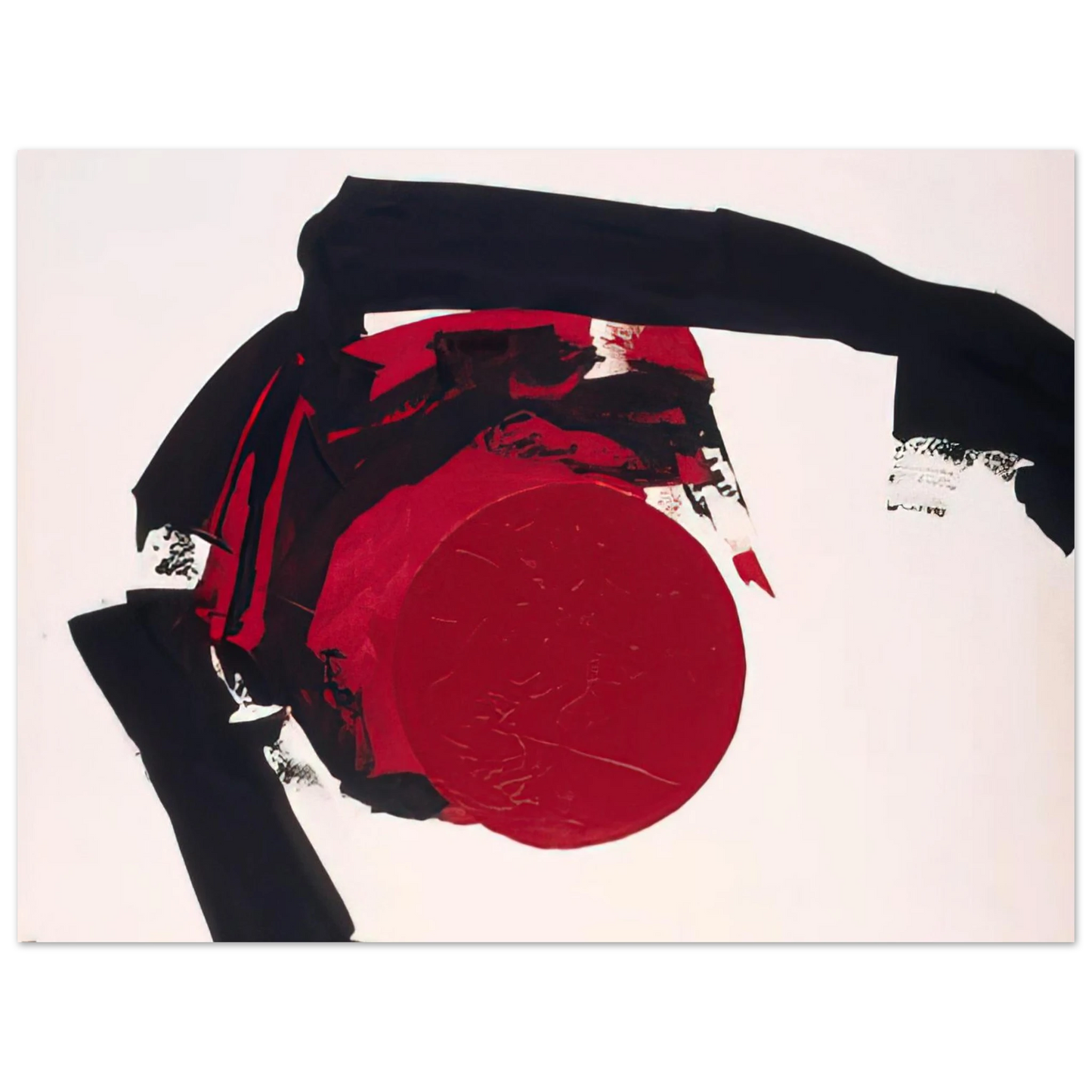
Luis Feito - COMPOSITION I 75x100 cm / 30x40inches Fine Art Poster
Luis Feito - COMPOSITION I 75x100 cm / 30x40inches Fine Art Poster
Couldn't load pickup availability
Luis Feito - COMPOSITION I: A Modernist Masterpiece in Fine Art Print
Elevate your space with Luis Feito's "COMPOSITION I", a striking 75x100 cm (30x40 inches) fine art poster that captures the essence of mid-20th century abstract expressionism. This museum-quality reproduction, available exclusively through RedKalion, brings the bold geometric forms and dynamic energy of Feito's pioneering work into your home or office. As a founding member of the Spanish abstract art group El Paso, Feito revolutionized post-war art with his minimalist compositions, using stark contrasts and organic shapes to evoke emotion and movement. Our archival print preserves every nuanced detail of this iconic piece, making it a timeless addition to any art collection.
Printed on Master's Edition archival paper, this fine art poster features a matte, uncoated finish in a natural white hue, offering a luxurious texture that mimics the feel of original artwork. The acid-free composition (pH above 7) ensures longevity, preventing yellowing over time, while the substantial 250 gsm (110 lb) weight and 0.29 mm (11.4 mils) thickness provide a durable, premium feel. Crafted from FSC-certified paper, this sustainable choice reflects RedKalion's commitment to environmental responsibility. Printed and shipped on demand with no minimum orders, we deliver a hassle-free experience for acquiring world-class art.
RedKalion curates only the highest-quality reproductions, blending art historical expertise with cutting-edge printing technology. Trust in our authority as a premier online gallery to provide an archival masterpiece that endures, transforming your environment with the sophistication of Luis Feito's modernist vision.
Discover Unlimited Art Possibilities
At RedKalion, you can find virtually any artwork from any artist, available in a wide range of sizes to perfectly match your space.
If you didn’t find what you’re looking for, contact us at support@redkalion.com . We will source any artwork and produce it in any size and format you need, including art prints, posters, canvas, framed pieces, framed canvas, and more.
For dedicated art enthusiasts, we also offer handcrafted replicas of any artwork, carefully painted by highly skilled artists using traditional techniques.
For custom requests, contact us at support@redkalion.com .
What are the dimensions of the Luis Feito COMPOSITION I fine art print?
The Luis Feito COMPOSITION I print measures 75x100 cm, equivalent to 30x40 inches, making it an ideal size for wall decor in living rooms, offices, or galleries.
What type of paper is used for this museum-quality reproduction?
This fine art poster is printed on Master's Edition archival paper, featuring a matte, uncoated finish in natural white for a luxurious texture and long-lasting durability.
How does the acid-free paper ensure the print's longevity?
The acid-free paper has a pH above 7, which prevents yellowing and degradation over time, ensuring your Luis Feito artwork remains vibrant for years.
What is the weight and thickness of the paper for this art print?
The paper weighs 250 gsm (110 lb) with a thickness of 0.29 mm (11.4 mils), providing a substantial, premium feel suitable for framing and display.
Is the paper sustainable and how is the print shipped?
Yes, the paper is FSC-certified for sustainability. We print and ship on demand with no minimum orders, offering convenient fulfillment for your fine art poster.
Who was Luis Feito and why is COMPOSITION I significant?
Luis Feito was a Spanish abstract artist and co-founder of El Paso, known for his geometric compositions. COMPOSITION I exemplifies his minimalist style, influencing post-war European art.
What artistic techniques did Feito use in COMPOSITION I?
Feito employed bold contrasts and organic shapes in COMPOSITION I, using abstraction to evoke emotion, a hallmark of his work in the 1950s and 1960s.