RedKalion
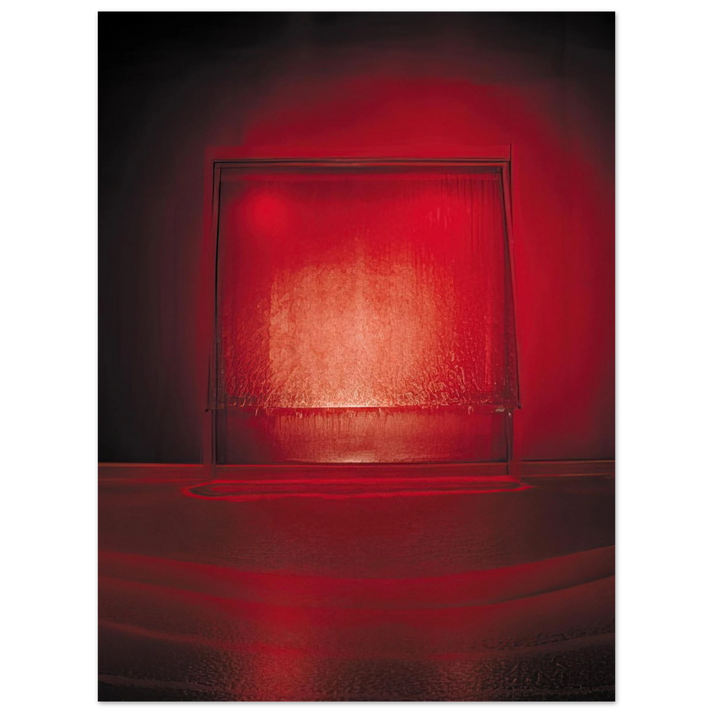
Lygia Pape - Carandirú - 2002 75x100 cm / 30x40inches Fine Art Poster
Lygia Pape - Carandirú - 2002 75x100 cm / 30x40inches Fine Art Poster
Couldn't load pickup availability
Lygia Pape - Carandirú (2002) - Museum-Quality Fine Art Print
Immerse yourself in the geometric brilliance of Lygia Pape's Carandirú (2002), a seminal work from one of Brazil's most influential Neo-Concrete artists. This 75x100 cm (30x40 inches) fine art poster captures Pape's exploration of space, form, and perception, where minimalist lines and bold shapes converge to create a dynamic visual rhythm. As a key figure in the 20th-century avant-garde, Pape challenged traditional boundaries between art and viewer, and Carandirú exemplifies her mastery of abstract composition that invites contemplation and intellectual engagement.
RedKalion presents this archival reproduction on Master's Edition archival paper, ensuring every detail—from the crisp edges to the subtle tonal variations—is preserved with museum-grade fidelity. The matte, uncoated finish in a natural white hue enhances the artwork's texture, offering a tactile experience that mirrors the original's artistic intent. Crafted from FSC-certified, acid-free paper (pH above 7), this print resists yellowing and degradation, guaranteeing its vibrancy for generations. With a substantial weight of 250 gsm (110 lb) and a thickness of 0.29 mm (11.4 mils), it delivers a luxurious feel suitable for framing and display in any sophisticated setting.
Elevate your space with an archival masterpiece that endures, printed and shipped on demand with no minimum orders. RedKalion curates world-class reproductions, blending art historical expertise with uncompromising quality to bring iconic works like Carandirú into your home or office.

Discover Unlimited Art Possibilities
At RedKalion, you can find virtually any artwork from any artist, available in a wide range of sizes to perfectly match your space.
If you didn’t find what you’re looking for, contact us at support@redkalion.com . We will source any artwork and produce it in any size and format you need, including art prints, posters, canvas, framed pieces, framed canvas, and more.
For dedicated art enthusiasts, we also offer handcrafted replicas of any artwork, carefully painted by highly skilled artists using traditional techniques.
For custom requests, contact us at support@redkalion.com .
What are the dimensions of the Lygia Pape Carandirú fine art print?
This museum-quality reproduction measures 75x100 cm (30x40 inches), perfect for framing and display as a statement piece in any room.
What type of paper is used for this archival print?
It's printed on Master's Edition archival paper, a matte, uncoated, natural white paper that ensures a luxurious texture and long-lasting vibrancy for your fine art poster.
How is this print shipped and are there minimum orders?
We offer on-demand printing and shipping with no minimum orders, so you can receive your Lygia Pape Carandirú reproduction quickly and conveniently.
Is this print acid-free to prevent yellowing?
Yes, it uses acid-free paper with a pH above 7, making it resistant to yellowing and ensuring archival longevity for your museum-quality art print.
What is the weight and thickness of the paper?
The paper is 250 gsm (110 lb) with a thickness of 0.29 mm (11.4 mils), providing a substantial, premium feel for this fine art poster.
Who was Lygia Pape and why is Carandirú significant?
Lygia Pape was a leading Neo-Concrete artist from Brazil, known for her abstract geometric works. Carandirú (2002) showcases her innovative use of form and space, reflecting her influence on 20th-century art movements.
What does the title Carandirú refer to in this artwork?
Carandirú references a location or concept in Pape's oeuvre, often tied to her explorations of structural patterns and cultural themes, adding depth to this minimalist composition.