
RedKalion
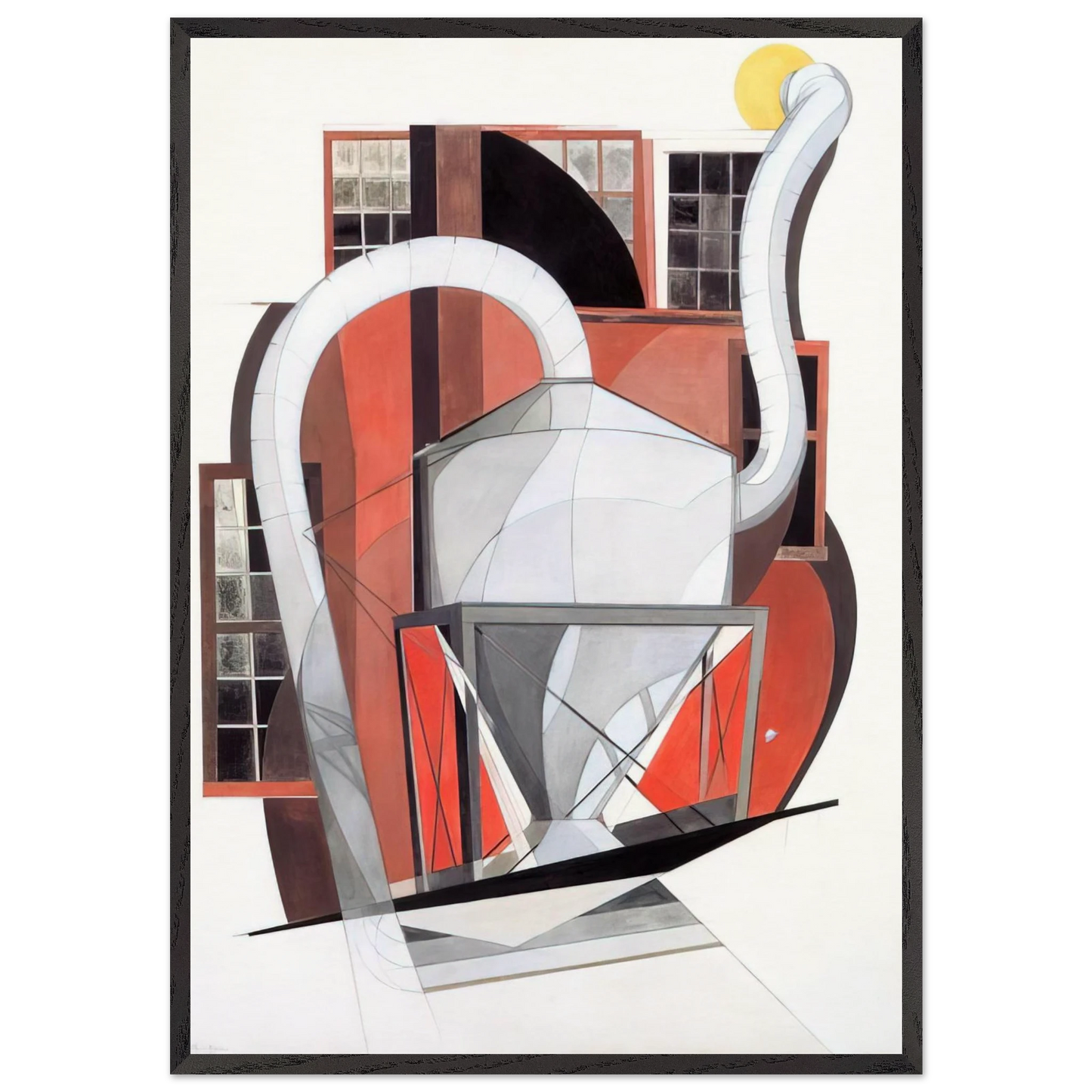
Machinery - 1920 - Charles Demuth 70x100 cm / 28x40 inches Framed Art Print – Black Wooden Frame
Machinery - 1920 - Charles Demuth 70x100 cm / 28x40 inches Framed Art Print – Black Wooden Frame
Couldn't load pickup availability
Machinery (1920) by Charles Demuth – Museum-Quality Framed Art Print
Immerse yourself in the industrial dynamism of early 20th-century America with this exquisite framed art print of Charles Demuth's "Machinery" (1920). A seminal work of Precisionism, this piece captures the geometric beauty and raw power of modern industry through Demuth's masterful use of clean lines, stark contrasts, and abstracted forms. Originally created during the height of the Machine Age, "Machinery" reflects the artist's fascination with technological progress and urban landscapes, offering a timeless commentary on innovation and structure. This fine art print is not merely a reproduction but a meticulously crafted homage to Demuth's vision, designed to elevate any contemporary or industrial-inspired space with its archival quality and sophisticated presentation.
RedKalion presents this masterpiece as a ready-to-hang framed art print, featuring a sleek black wooden frame made from responsibly sourced oak and ash wood. The frame measures 20mm (0.79") thick and wide, providing a bold, modern profile that enhances the artwork's impact. Your print is safeguarded by shatterproof plexiglass, ensuring durability without compromising clarity, and printed on premium 250 gsm (110 lb) matte, uncoated, natural white paper—an archival museum-quality substrate that guarantees longevity and vibrant detail. With FSC-certified sustainable materials, this piece combines aesthetic excellence with environmental responsibility, making it a thoughtful addition to any art collection.
- Artwork: "Machinery" (1920) by Charles Demuth – a Precisionist masterpiece celebrating industrial aesthetics.
- Frame: Black wooden frame (oak and ash, 20mm thick/wide) with hanging kit included.
- Print Quality: Museum-grade reproduction on 250 gsm archival paper with matte finish.
- Protection: Shatterproof plexiglass for added safety and clarity.
- Sustainability: FSC-certified or equivalent materials used throughout.
Elevate your home or office with this archival masterpiece that endures, blending historical significance with contemporary craftsmanship. Trust RedKalion to deliver a premium fine art print that honors Demuth's legacy while meeting the highest standards of quality and sustainability.
Discover Unlimited Art Possibilities
At RedKalion, you can find virtually any artwork from any artist, available in a wide range of sizes to perfectly match your space.
If you didn’t find what you’re looking for, contact us at support@redkalion.com . We will source any artwork and produce it in any size and format you need, including art prints, posters, canvas, framed pieces, framed canvas, and more.
For dedicated art enthusiasts, we also offer handcrafted replicas of any artwork, carefully painted by highly skilled artists using traditional techniques.
For custom requests, contact us at support@redkalion.com .
What is the historical significance of Charles Demuth's "Machinery" (1920)?
"Machinery" is a key Precisionist work from 1920, reflecting America's Machine Age fascination with industrial forms and geometric abstraction, showcasing Demuth's innovative approach to modern art.
How does the frame enhance this fine art print?
The black wooden frame, made from responsibly sourced oak and ash, measures 20mm thick for a bold, modern look that complements the industrial theme of this museum-quality reproduction.
What are the specifications of the archival paper used?
This print uses 250 gsm (110 lb) matte, uncoated, natural white archival museum-quality paper, 0.29 mm thick, ensuring longevity and vibrant detail for your framed art print.
Is this framed print ready to hang upon delivery?
Yes, it includes a hanging kit and is ready-to-hang directly on your wall, offering convenience with its shatterproof plexiglass protection and sustainable materials.
How does the shatterproof plexiglass protect the artwork?
The shatterproof plexiglass safeguards your Charles Demuth print from damage while maintaining clarity, making it a durable choice for this archival masterpiece.
What makes this a sustainable art print option?
It features FSC-certified or equivalent sustainable paper and responsibly sourced wood, aligning with eco-friendly practices for this fine art reproduction.
Can you describe Demuth's technique in "Machinery"?
Demuth employed clean lines, geometric abstraction, and stark contrasts in "Machinery" to highlight industrial forms, a hallmark of Precisionism that emphasizes structure and modernity.