RedKalion
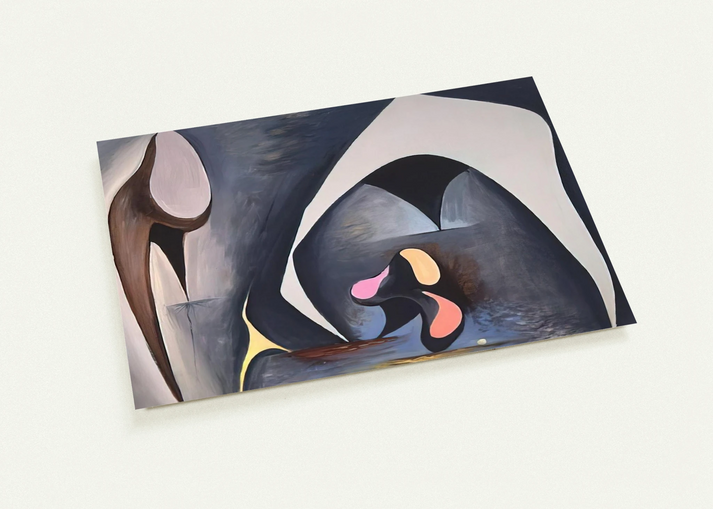
Magical Forms - 1945 By Lorser Feitelson Pack of 10 Post Cards | Lorser Feitelson Post Cards | A6 (10.5 x 14.8 cm) - 4.1 x 5.8 inches
Magical Forms - 1945 By Lorser Feitelson Pack of 10 Post Cards | Lorser Feitelson Post Cards | A6 (10.5 x 14.8 cm) - 4.1 x 5.8 inches
Couldn't load pickup availability
Magical Forms - 1945 by Lorser Feitelson: A Pack of 10 Post Cards
Experience the geometric elegance of American Modernism with this exclusive pack of 10 post cards featuring Lorser Feitelson's iconic 1945 painting, "Magical Forms." This museum-quality reproduction captures the artist's pioneering exploration of hard-edge abstraction, where precise shapes and vibrant colors create a dynamic visual harmony. Feitelson, a key figure in the California Post-Surrealist movement, developed this style to evoke emotional resonance through pure form, making each post card a miniature masterpiece of mid-20th-century art.
Perfect for art enthusiasts, collectors, or as unique gifts, these post cards offer a versatile way to share fine art in everyday life. Use them for correspondence, display in small frames, or as artistic keepsakes that spark conversation.
Premium Post Card Specifications
- Pack Size: 10 flat post cards, ideal for creating a one-of-a-kind sentiment for any occasion.
- Size: A6 (10.5 x 14.8 cm / 4.1 x 5.8 inches), a classic format that fits standard frames and envelopes.
- Print Quality: Produced with our 12-color fine art printing technology, ensuring vivid, accurate colors and stunning depth that surpasses standard 4-color inkjet prints.
- Paper: Features a smooth matte finish for a clean, glare-free display, printed on 200 gsm (80 lb) FSC-certified eco-friendly paper with a thickness of 0.26 mm (10.3 mils) for durability.
- Sustainability: Made with environmentally conscious materials, reflecting RedKalion's commitment to quality and responsibility.
Elevate your correspondence or decor with these archival-grade post cards, printed on demand with no minimum orders. RedKalion curates world-class reproductions that bring museum art into your daily experience, trusted for their historical accuracy and premium craftsmanship.

Discover Unlimited Art Possibilities
At RedKalion, you can find virtually any artwork from any artist, available in a wide range of sizes to perfectly match your space.
If you didn’t find what you’re looking for, contact us at support@redkalion.com . We will source any artwork and produce it in any size and format you need, including art prints, posters, canvas, framed pieces, framed canvas, and more.
For dedicated art enthusiasts, we also offer handcrafted replicas of any artwork, carefully painted by highly skilled artists using traditional techniques.
For custom requests, contact us at support@redkalion.com .
What is the historical significance of "Magical Forms" by Lorser Feitelson?
"Magical Forms" (1945) is a key work in Feitelson's hard-edge abstraction style, part of the California Post-Surrealist movement. It showcases his focus on geometric shapes and vibrant colors to evoke emotion, making it a landmark in mid-20th-century American Modernism.
What are the specifications of these post cards?
Each pack includes 10 flat A6 post cards (10.5 x 14.8 cm / 4.1 x 5.8 inches), printed with 12-color fine art technology on 200 gsm FSC-certified paper with a smooth matte finish, ensuring vivid colors and durability for any occasion.
How does the print quality compare to standard post cards?
Our museum-quality reproduction uses 12-color fine art printing, delivering superior color vibrancy and depth beyond standard 4-color inkjet technology, perfect for capturing Feitelson's intricate details in a premium post card format.
Are these post cards eco-friendly?
Yes, they are printed on FSC-certified paper, making them an environmentally conscious choice for art lovers seeking sustainable fine art prints and post cards.
Can I order a custom quantity or size?
These post cards are printed on demand with no minimum orders, but currently available only in the A6 size pack of 10. Contact us for potential custom options on fine art reproductions.
What was Feitelson's technique in "Magical Forms"?
Feitelson employed hard-edge painting techniques, using precise, clean lines and bold color contrasts to create abstract forms that suggest mystical or emotional themes, reflecting his innovative approach in the 1940s.
How should I store or display these post cards?
For longevity, store them in a cool, dry place away from direct sunlight. They can be framed or used as-is, thanks to the archival-quality paper and printing that resist fading.