RedKalion
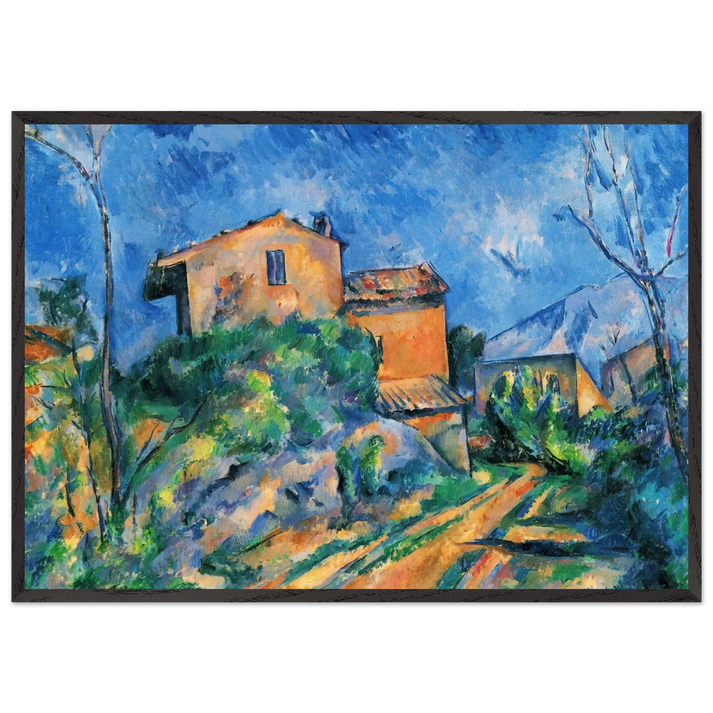
Maison Maria with a View of Chateau Noir - Paul Cezanne 70x100 cm / 28x40 inches Framed Art Print – Black Wooden Frame
Maison Maria with a View of Chateau Noir - Paul Cezanne 70x100 cm / 28x40 inches Framed Art Print – Black Wooden Frame
Couldn't load pickup availability
Maison Maria with a View of Chateau Noir by Paul Cézanne
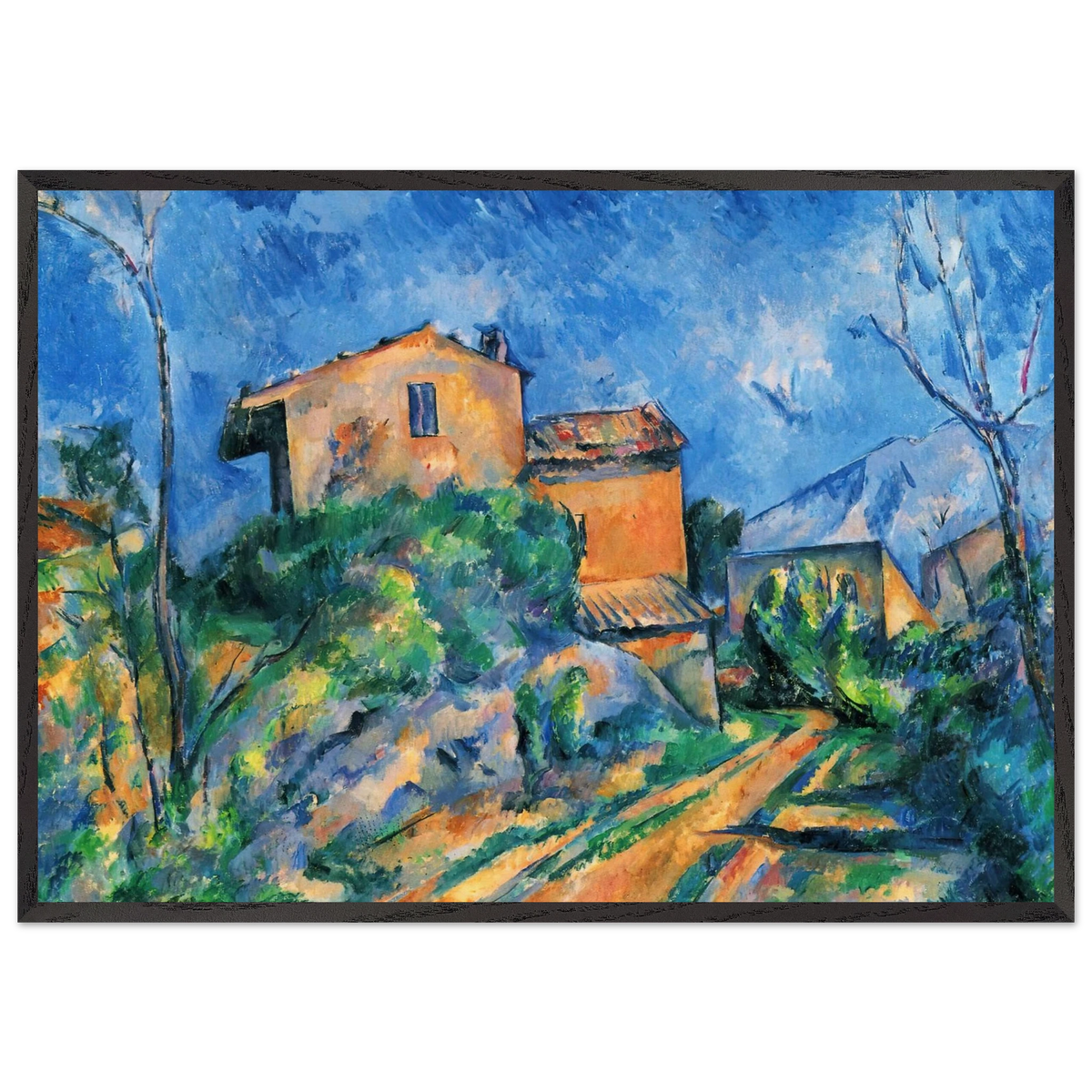
Immerse yourself in the revolutionary vision of Post-Impressionism with this museum-quality framed art print of Paul Cézanne's "Maison Maria with a View of Chateau Noir." This fine art reproduction captures the artist's pivotal exploration of geometric form and structured brushwork, depicting the rustic Provençal landscape near his Aix-en-Provence studio. Cézanne's masterful composition bridges the tangible solidity of the architecture with the atmospheric depth of the distant Chateau Noir, offering a serene yet intellectually engaging tableau that defined the path to Modern art.
RedKalion presents this archival masterpiece in a premium, ready-to-hang format. The artwork is printed on our heavyweight 250 gsm (110 lb), natural white matte paper—an uncoated, FSC-certified archival substrate chosen for its exceptional color fidelity and longevity. It is protected by shatterproof plexiglass and elegantly framed in a responsibly sourced black wooden frame crafted from oak and ash. At 20mm thick, this substantial frame provides a bold, contemporary presence wider than classic profiles, perfectly complementing Cézanne's robust forms.
Elevate your living room, study, or office with a piece of art history. This framed print arrives complete with a hanging kit, offering an instant transformation into a sophisticated gallery wall centerpiece that endures for generations.
Discover Unlimited Art Possibilities
At RedKalion, you can find virtually any artwork from any artist, available in a wide range of sizes to perfectly match your space.
If you didn’t find what you’re looking for, contact us at support@redkalion.com . We will source any artwork and produce it in any size and format you need, including art prints, posters, canvas, framed pieces, framed canvas, and more.
For dedicated art enthusiasts, we also offer handcrafted replicas of any artwork, carefully painted by highly skilled artists using traditional techniques.
For custom requests, contact us at support@redkalion.com .
What are the dimensions of this framed Paul Cézanne print?
This framed fine art print measures 70x100 cm (28x40 inches), including the substantial 20mm (0.79") wide black wooden frame, making it an ideal statement piece for any room.
What type of paper is used for this museum-quality reproduction?
We use a premium 250 gsm (110 lb) matte, uncoated archival paper that is FSC-certified for sustainability, ensuring vibrant color reproduction and long-term durability for your art collection.
Is the frame ready to hang upon delivery?
Yes, this framed art print includes a complete hanging kit and is ready to hang directly on your wall, offering immediate gallery-style presentation with no assembly required.
How does the archival paper protect the print over time?
Our acid-free, museum-quality paper resists yellowing and fading, preserving the rich hues and details of Cézanne's work for decades, making it a lasting investment in fine art.
What makes this frame different from standard frames?
Crafted from responsibly sourced oak and ash wood, this 20mm thick frame is wider and more substantial than classic 14mm frames, providing enhanced durability and a bold, modern aesthetic for your wall art.
What is the historical significance of "Maison Maria with a View of Chateau Noir"?
Painted in the late 1890s, this work exemplifies Cézanne's mature style, where he deconstructed the Provençal landscape into geometric planes, profoundly influencing Cubism and 20th-century modern art movements.
How did Cézanne's technique in this painting differ from his contemporaries?
Cézanne employed structured, directional brushstrokes and a muted palette to build form and depth, moving away from Impressionist spontaneity toward a more analytical, architectural approach to nature.