

RedKalion
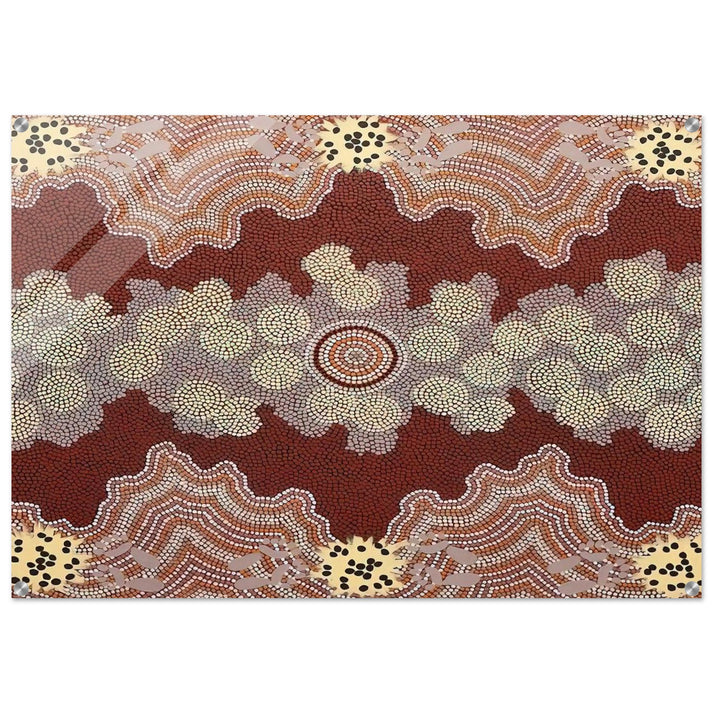
Malaka Honey Ant Dreaming - 1992 - Clifford Possum Tjapaltjarri Acrylic Print - 70x100 cm / 28x40″ inches
Malaka Honey Ant Dreaming - 1992 - Clifford Possum Tjapaltjarri Acrylic Print - 70x100 cm / 28x40″ inches
Couldn't load pickup availability
Malaka Honey Ant Dreaming - 1992 - Clifford Possum Tjapaltjarri Acrylic Print
Immerse yourself in the profound spiritual narrative of Clifford Possum Tjapaltjarri's masterpiece, Malaka Honey Ant Dreaming (1992). This iconic work from the Papunya Tula art movement translates the ancestral Honey Ant Dreaming story into a mesmerizing visual language of dots, lines, and symbols, representing sacred sites, waterholes, and ceremonial tracks across the Australian desert. Tjapaltjarri, a pioneering figure in contemporary Indigenous Australian art, masterfully employs acrylic on canvas to preserve and share millennia-old cultural knowledge, creating a vibrant tapestry that bridges ancient tradition and modern expression.
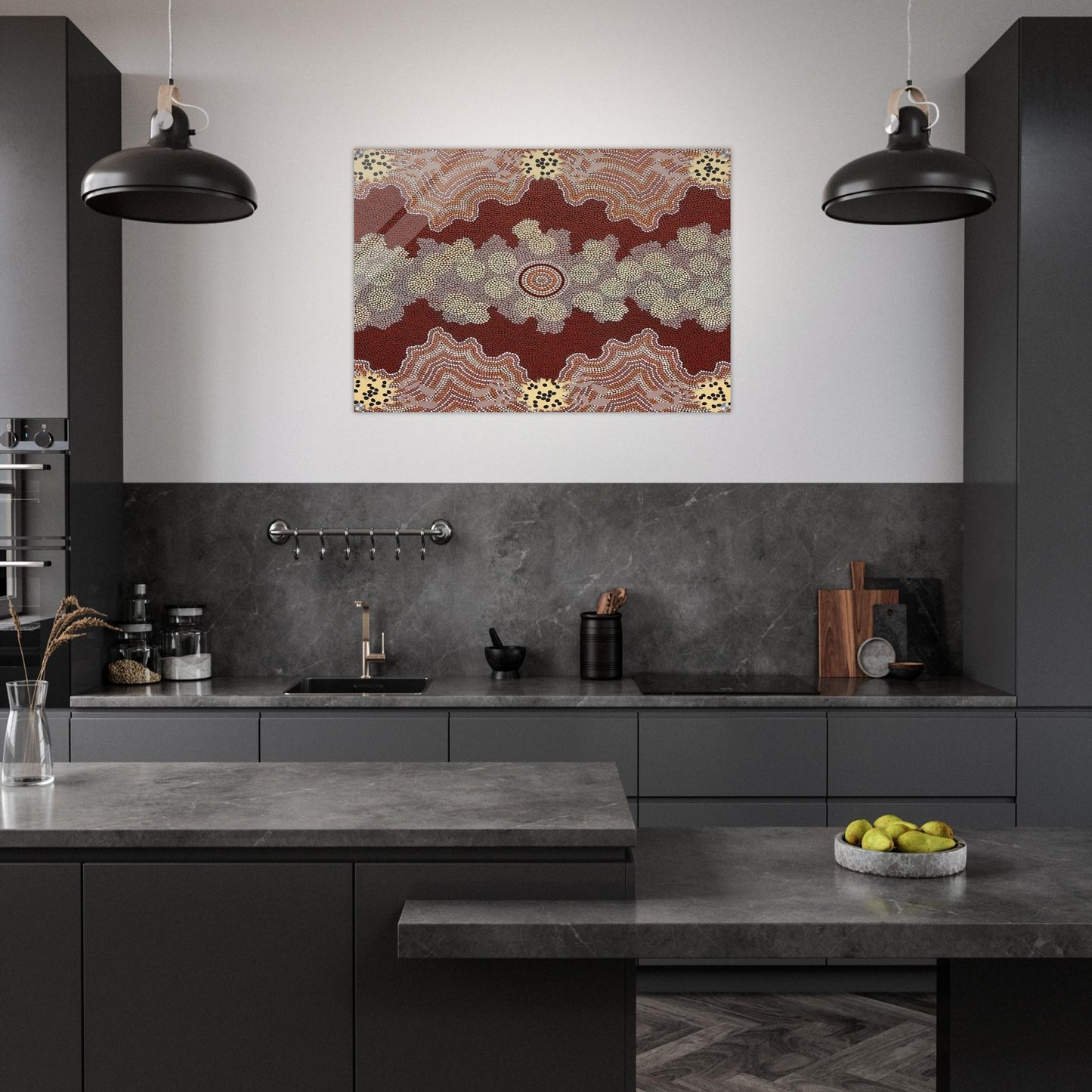
RedKalion presents this museum-quality reproduction as a premium acrylic print, meticulously crafted to honor the artwork's intricate detail and luminous color palette. Measuring 70x100 cm (28x40 inches), this fine art print features a sleek 4mm (0.15") acrylic face that enhances vibrancy and durability, with straight-cut corners for a contemporary aesthetic. The transparent background defaults to white, ensuring optimal presentation that complements any interior. Each piece includes a complete hanging kit with hardware, screws, and pre-drilled screw holes (14mm/0.55" from the edge, 8mm/0.31" diameter, 15mm/0.6" screw head) for effortless installation.
Elevate your space with an archival masterpiece that endures, bringing the rich heritage of Aboriginal art into your home or office. This Clifford Possum Tjapaltjarri acrylic print is not merely a decoration but a testament to cultural resilience and artistic innovation, offering a timeless connection to the Dreaming.


Discover Unlimited Art Possibilities
At RedKalion, you can find virtually any artwork from any artist, available in a wide range of sizes to perfectly match your space.
If you didn’t find what you’re looking for, contact us at support@redkalion.com . We will source any artwork and produce it in any size and format you need, including art prints, posters, canvas, framed pieces, framed canvas, and more.
For dedicated art enthusiasts, we also offer handcrafted replicas of any artwork, carefully painted by highly skilled artists using traditional techniques.
For custom requests, contact us at support@redkalion.com .
What is the significance of Malaka Honey Ant Dreaming by Clifford Possum Tjapaltjarri?
This 1992 artwork depicts the Honey Ant Dreaming story, a sacred ancestral narrative from Indigenous Australian culture, using symbolic dots and lines to map desert landscapes and ceremonial sites, showcasing Tjapaltjarri's role in the Papunya Tula movement.
What are the specifications of this acrylic fine art print?
The print measures 70x100 cm (28x40 inches) with a 4mm (0.15") acrylic face for vibrant color and durability, featuring straight-cut corners and a white default background for a modern museum-quality reproduction.
How is this archival acrylic print shipped and installed?
It includes a hanging kit with hardware, screws, and pre-drilled screw holes (14mm from edge, 8mm diameter) for easy wall mounting, shipped securely to ensure your Clifford Possum Tjapaltjarri artwork arrives ready to display.
Is this a durable and long-lasting art reproduction?
Yes, the 4mm acrylic face provides UV resistance and protection against fading, making this a premium archival print that maintains its vibrant colors and quality for years in your home or office.
What makes RedKalion's reproductions museum-quality?
We use high-resolution imaging and premium materials like acrylic to accurately replicate original artworks, ensuring each fine art print meets archival standards for color fidelity and longevity.
What techniques did Clifford Possum Tjapaltjarri use in his paintings?
Tjapaltjarri employed acrylic on canvas with intricate dotting and linear patterns to encode Dreaming stories, a technique central to the Western Desert art movement that revitalized Indigenous cultural expression.
How does this artwork fit into contemporary Aboriginal art history?
As a key piece from 1992, it represents the evolution of Papunya Tula art, blending traditional iconography with modern mediums to share Indigenous knowledge globally, solidifying Tjapaltjarri's legacy.