
RedKalion
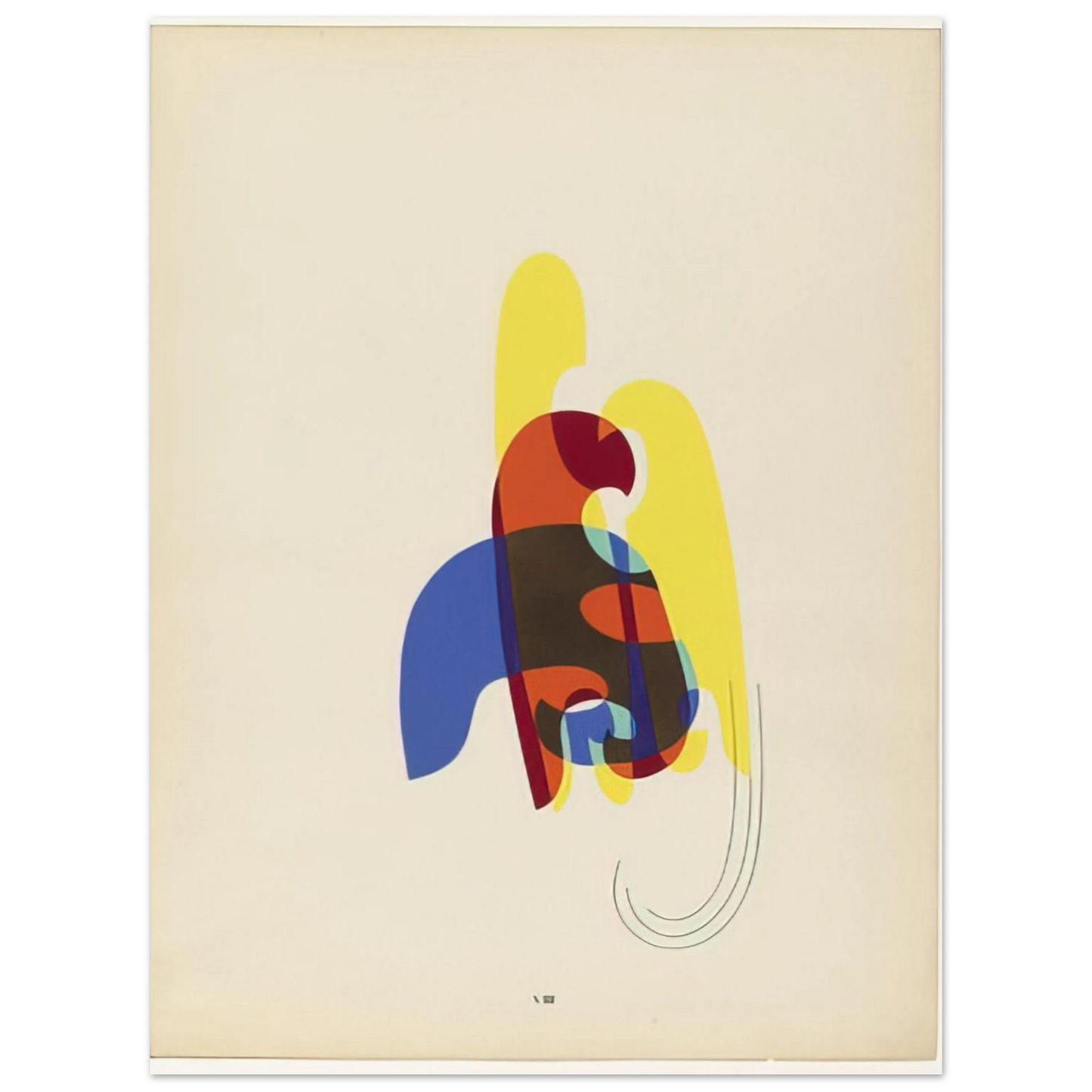
Man Ray - SHADOWS FROM THE PORTFOLIO REVOLVING DOORS 1926 75x100 cm / 30x40inches Fine Art Poster
Man Ray - SHADOWS FROM THE PORTFOLIO REVOLVING DOORS 1926 75x100 cm / 30x40inches Fine Art Poster
Couldn't load pickup availability
Man Ray - SHADOWS FROM THE PORTFOLIO REVOLVING DOORS 1926
Immerse yourself in the avant-garde brilliance of Man Ray's "Shadows from the Portfolio Revolving Doors 1926", a seminal work from the Dada and Surrealist movements. This fine art print captures the artist's revolutionary photogram technique—where objects are placed directly onto photosensitive paper to create ethereal, shadow-like forms—blurring the lines between photography and abstract art. Created during his transformative Paris years, this piece reflects Man Ray's fascination with chance, light, and the subconscious, offering a timeless glimpse into modernist innovation.
RedKalion presents this museum-quality reproduction on our exclusive Master's Edition archival paper, ensuring every subtle gradient and stark contrast is preserved with gallery-worthy precision. The matte, uncoated finish in a natural white hue enhances the artwork's tactile depth, while the acid-free composition (pH above 7) guarantees it resists yellowing for generations. Crafted from FSC-certified paper at 250 gsm (110 lb) and 0.29 mm (11.4 mils) thickness, this 75x100 cm / 30x40 inches fine art poster delivers a luxurious, durable presence. Printed and shipped on demand with no minimum orders, it arrives ready to elevate any space with archival elegance.
- Dimensions: 75x100 cm / 30x40 inches
- Paper: Master's Edition archival paper, museum-quality
- Finish: Matte, uncoated, natural white (off-white)
- Longevity: Acid-free (pH above 7) to prevent yellowing
- Weight & Thickness: 250 gsm (110 lb), 0.29 mm (11.4 mils)
- Sustainability: FSC-certified paper
- Fulfillment: Printed and shipped on demand, no minimum orders
Discover Unlimited Art Possibilities
At RedKalion, you can find virtually any artwork from any artist, available in a wide range of sizes to perfectly match your space.
If you didn’t find what you’re looking for, contact us at support@redkalion.com . We will source any artwork and produce it in any size and format you need, including art prints, posters, canvas, framed pieces, framed canvas, and more.
For dedicated art enthusiasts, we also offer handcrafted replicas of any artwork, carefully painted by highly skilled artists using traditional techniques.
For custom requests, contact us at support@redkalion.com .
What is the historical significance of Man Ray's "Shadows from the Portfolio Revolving Doors 1926"?
This artwork is a key example of Man Ray's photogram technique from the 1920s, blending Dada and Surrealist ideas to explore abstraction and chance in modernist art.
How does the Master's Edition archival paper ensure museum-quality reproduction?
Our acid-free, FSC-certified paper at 250 gsm preserves fine details and colors, offering a durable, premium fine art print that mimics gallery standards.
What are the exact dimensions and paper specifications for this fine art poster?
It measures 75x100 cm (30x40 inches) on 250 gsm matte paper with a 0.29 mm thickness, providing a sturdy, archival-quality display.
How is this print shipped, and are there minimum order requirements?
We print and ship on demand with no minimum orders, ensuring each museum-quality reproduction arrives carefully packaged and ready to hang.
Will this archival print resist yellowing over time?
Yes, the acid-free paper (pH above 7) prevents yellowing, making it a long-lasting investment for your art collection.
What inspired Man Ray's photogram technique in this artwork?
Man Ray developed photograms, or "rayographs," by placing objects on photosensitive paper, inspired by Surrealist automatism to create dreamlike, abstract shadows.
How does the matte finish enhance the viewing experience of this print?
The uncoated matte finish in natural white reduces glare and adds texture, highlighting the subtle contrasts in this avant-garde fine art poster.