RedKalion
Mandoline - 2004 - Arman Acrylic Print - 70x100 cm / 28x40″ inches | Arman Wall Art | Arman Prints
Mandoline - 2004 - Arman Acrylic Print - 70x100 cm / 28x40″ inches | Arman Wall Art | Arman Prints
Couldn't load pickup availability
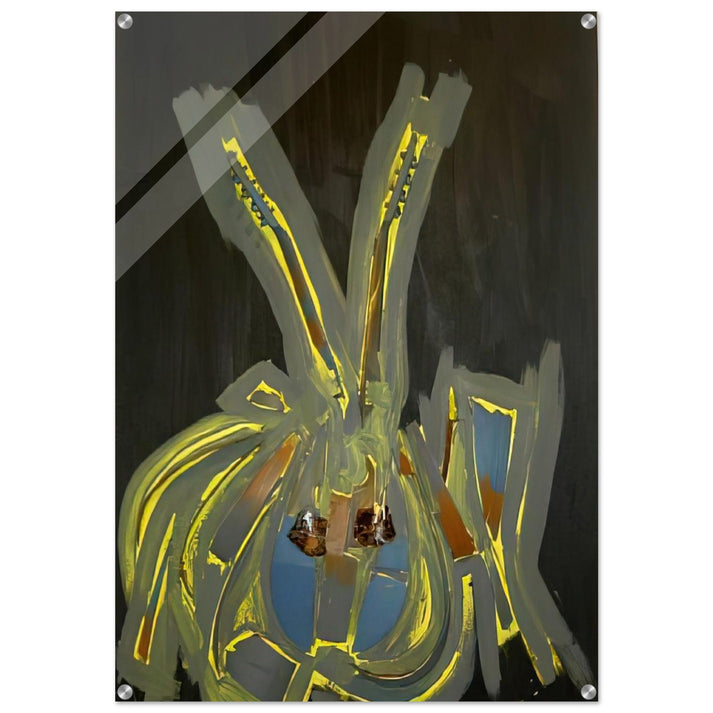
Mandoline - 2004 - Arman Acrylic Print
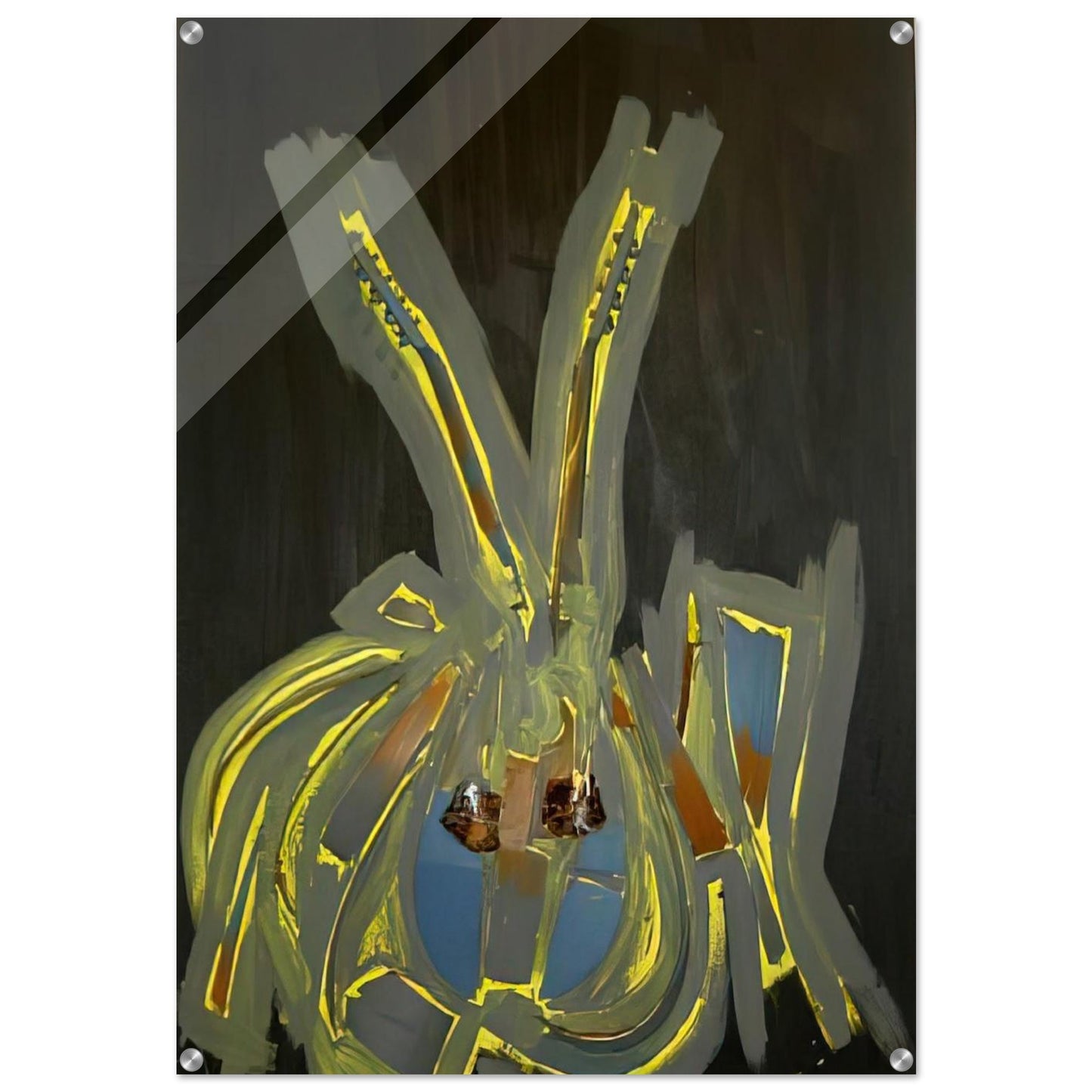
Elevate your contemporary art collection with this museum-quality acrylic print of Mandoline (2004) by the renowned French-American artist Arman. This archival-grade reproduction captures the dynamic energy and conceptual depth of Arman's iconic Accumulations series, where everyday objects like mandolins are deconstructed and reassembled into powerful sculptural statements. As a leading figure in the Nouveau Réalisme movement, Arman challenged traditional art forms by exploring themes of consumerism, destruction, and renewal—making this piece a sophisticated conversation starter for modern interiors.
Our premium 70x100 cm / 28x40″ inches print is meticulously crafted on 4mm (0.15") acrylic, offering a sleek, vibrant, and durable finish that enhances color saturation and protects against fading. Featuring straight-cut corners for a clean, modern aesthetic, this wall art includes a complete hanging kit with hardware, screws, and pre-drilled screw holes at each corner (positioned 14mm/0.55" from the edge, with an 8mm/0.31" diameter hole and 15mm/0.6" screw head). Transparent backgrounds default to white for optimal presentation, ensuring the artwork's bold composition stands out in any lighting.
RedKalion specializes in archival-grade reproductions that honor artistic legacy while delivering exceptional durability. Trust our expertise in fine art prints to bring a piece of art history into your home or office—where it will inspire for generations.
Discover Unlimited Art Possibilities
At RedKalion, you can find virtually any artwork from any artist, available in a wide range of sizes to perfectly match your space.
If you didn’t find what you’re looking for, contact us at support@redkalion.com . We will source any artwork and produce it in any size and format you need, including art prints, posters, canvas, framed pieces, framed canvas, and more.
For dedicated art enthusiasts, we also offer handcrafted replicas of any artwork, carefully painted by highly skilled artists using traditional techniques.
For custom requests, contact us at support@redkalion.com .
What is the historical significance of Arman's Mandoline (2004)?
Mandoline (2004) is part of Arman's iconic Accumulations series, reflecting Nouveau Réalisme themes of consumerism and object transformation through deconstructed musical instruments, making it a valuable fine art print for modern collections.
How does the acrylic material enhance this Arman print?
The 4mm (0.15") acrylic provides a sleek, vibrant finish with superior color saturation and durability, ensuring this museum-quality reproduction resists fading and maintains its contemporary wall art appeal.
What are the dimensions and hanging details for this artwork?
This Arman acrylic print measures 70x100 cm / 28x40" inches and includes a hanging kit with pre-drilled screw holes (14mm from edges, 8mm diameter) for easy, secure installation as premium wall decor.
Is the print archival and long-lasting?
Yes, our archival-grade reproduction uses high-quality materials to ensure longevity, making this Arman wall art a durable investment for home or office decor that withstands time.
How is shipping handled for this fine art print?
We offer secure, tracked shipping with protective packaging to ensure your Arman print arrives safely, ready for display as elegant wall art in any space.
What artistic technique did Arman use in Mandoline?
Arman employed assemblage and accumulation techniques, slicing and arranging mandolin parts to explore destruction and renewal, a hallmark of his Nouveau Réalisme style in this acrylic print.
Why are transparent backgrounds set to white in this reproduction?
Transparent backgrounds default to white to optimize presentation and contrast, enhancing the visual impact of Arman's composition in this museum-quality wall art print.