
RedKalion
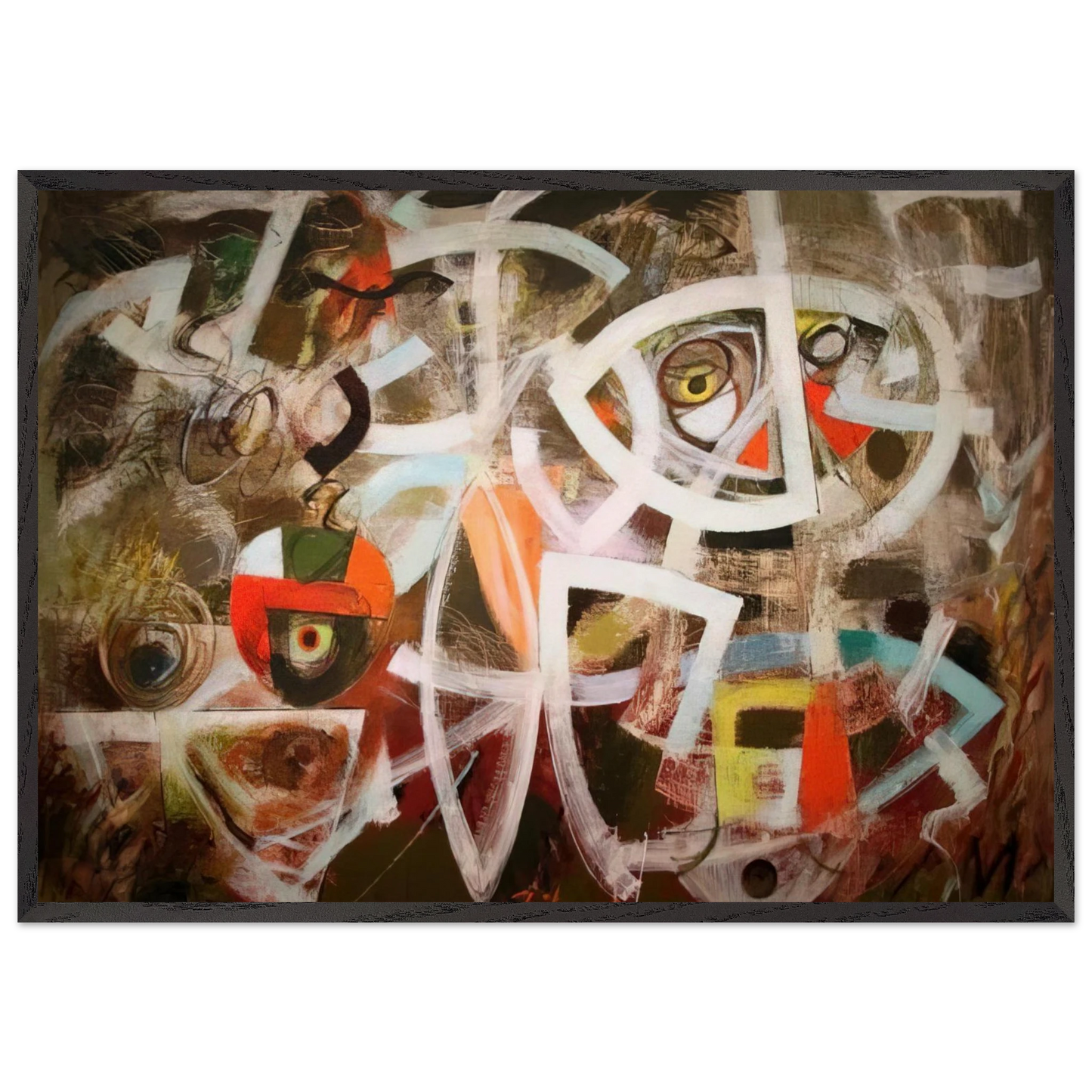
Maneuver for Position - 1947 - Bradley Walker Tomlin 70x100 cm / 28x40 inches Framed Art Print – Black Wooden Frame
Maneuver for Position - 1947 - Bradley Walker Tomlin 70x100 cm / 28x40 inches Framed Art Print – Black Wooden Frame
Couldn't load pickup availability
Maneuver for Position - 1947 by Bradley Walker Tomlin
Elevate your space with Maneuver for Position - 1947, a pivotal work by American Abstract Expressionist Bradley Walker Tomlin. This museum-quality reproduction captures the dynamic energy of the postwar art movement, where Tomlin's calligraphic brushstrokes and rhythmic composition evoke a sense of controlled chaos and poetic abstraction. As a key figure bridging European modernism and New York School innovation, Tomlin's work here reflects the era's existential search for meaning through gesture and form.
RedKalion presents this fine art print as a 70x100 cm / 28x40 inches framed art print, meticulously crafted to archival standards. The piece is housed in a sophisticated black wooden frame made from responsibly sourced oak and ash wood, measuring 20mm (0.79") thick and wide for a bold, contemporary presence. It features shatterproof plexiglass to protect the artwork, ensuring durability without compromising clarity.
Printed on FSC-certified sustainable paper with a weight of 250 gsm (110 lb) and thickness of 0.29 mm (11.4 mils), this matte, uncoated, natural white paper offers a tactile, gallery-worthy finish that resists fading. Each print is ready-to-hang with an included hanging kit, allowing for immediate display. Trust RedKalion to deliver an archival masterpiece that honors Tomlin's legacy while enhancing your environment with timeless sophistication.
Discover Unlimited Art Possibilities
At RedKalion, you can find virtually any artwork from any artist, available in a wide range of sizes to perfectly match your space.
If you didn’t find what you’re looking for, contact us at support@redkalion.com . We will source any artwork and produce it in any size and format you need, including art prints, posters, canvas, framed pieces, framed canvas, and more.
For dedicated art enthusiasts, we also offer handcrafted replicas of any artwork, carefully painted by highly skilled artists using traditional techniques.
For custom requests, contact us at support@redkalion.com .
What is the historical significance of 'Maneuver for Position - 1947' by Bradley Walker Tomlin?
This artwork is a key Abstract Expressionist piece from 1947, reflecting Tomlin's calligraphic style and the postwar era's exploration of gesture and form, bridging European modernism and American innovation.
What are the dimensions and framing details of this art print?
The print measures 70x100 cm / 28x40 inches and comes in a black wooden frame made from responsibly sourced oak and ash wood, 20mm thick and wide, with shatterproof plexiglass protection.
What type of paper is used for this museum-quality reproduction?
It uses FSC-certified sustainable, archival museum-quality paper: 250 gsm weight, 0.29 mm thickness, with a matte, uncoated, natural white finish for optimal fine art display.
Is this framed art print ready to hang?
Yes, it includes a hanging kit and is ready-to-hang directly on your wall, ensuring easy and immediate installation for your home or office.
How does the frame compare to standard options?
The frame is 20mm (0.79") thick and wide, wider than classic 14mm frames, offering a bold, contemporary look that enhances the artwork's presence.
What makes this print archival and long-lasting?
It features archival museum-quality paper and shatterproof plexiglass, designed to resist fading and damage, ensuring durability for years in your collection.
Can you describe Bradley Walker Tomlin's technique in this artwork?
Tomlin used dynamic, calligraphic brushstrokes in 'Maneuver for Position' to create rhythmic abstraction, showcasing his mastery of gesture and composition in Abstract Expressionism.