RedKalion
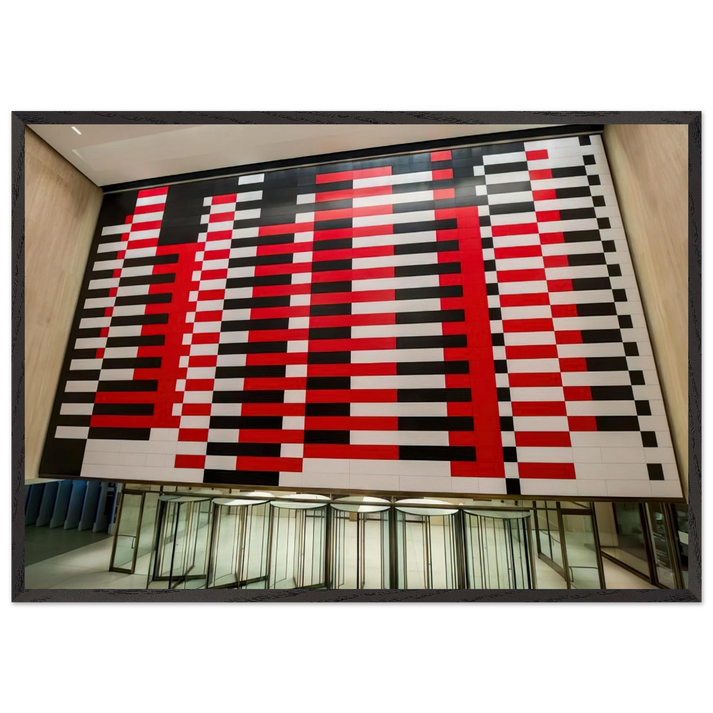
MANHATTAN 1963 - Josef Albers 70x100 cm / 28x40 inches Framed Art Print – Black Wooden Frame
MANHATTAN 1963 - Josef Albers 70x100 cm / 28x40 inches Framed Art Print – Black Wooden Frame
Couldn't load pickup availability
MANHATTAN 1963 by Josef Albers: A Homage to Urban Geometry
Immerse yourself in the bold, minimalist vision of Josef Albers with this framed art print of MANHATTAN 1963. As a leading figure of the Bauhaus and Op Art movements, Albers masterfully explores the interplay of color and form, capturing the architectural essence of New York City through his iconic geometric abstraction. This piece reflects his lifelong study of perception, where precise squares and rectangles evoke the grid-like structure of Manhattan's streets, creating a dynamic visual rhythm that transforms any space into a gallery of modern sophistication.
RedKalion presents this museum-quality reproduction on archival-grade paper, ensuring every detail of Albers' meticulous composition is preserved. The print measures 70x100 cm / 28x40 inches, framed in a sleek black wooden frame crafted from responsibly sourced oak and ash wood. At 20mm thick and wide, this frame offers a substantial, contemporary presence that enhances the artwork's impact, wider than the classic 14mm frame for a more pronounced aesthetic.
Our commitment to excellence includes:
- Archival Paper: Printed on 250 gsm (110 lb) matte, uncoated, natural white paper with a thickness of 0.29 mm (11.4 mils), ideal for fine art longevity and texture.
- Premium Protection: Featuring shatterproof plexiglass to safeguard the print against damage while maintaining clarity.
- Sustainable Materials: Utilizing FSC-certified or equivalent paper, aligning with eco-conscious practices.
- Ready-to-Hang: Includes a hanging kit for immediate display, allowing you to elevate your home or office with ease.
Elevate your interior with an archival masterpiece that endures, blending art historical significance with RedKalion's unwavering dedication to quality. This framed print not only honors Albers' legacy but also serves as a timeless statement piece for discerning collectors.

Discover Unlimited Art Possibilities
At RedKalion, you can find virtually any artwork from any artist, available in a wide range of sizes to perfectly match your space.
If you didn’t find what you’re looking for, contact us at support@redkalion.com . We will source any artwork and produce it in any size and format you need, including art prints, posters, canvas, framed pieces, framed canvas, and more.
For dedicated art enthusiasts, we also offer handcrafted replicas of any artwork, carefully painted by highly skilled artists using traditional techniques.
For custom requests, contact us at support@redkalion.com .
What is the significance of MANHATTAN 1963 by Josef Albers?
MANHATTAN 1963 is a key work by Josef Albers, reflecting his exploration of geometric abstraction and color theory, inspired by New York City's urban grid, making it a prime example of Op Art and modernist fine art prints.
What are the specifications of the paper used for this art print?
The print uses 250 gsm (110 lb) matte, uncoated, natural white archival museum-quality paper with a thickness of 0.29 mm (11.4 mils), ideal for durable and textured fine art reproductions.
How is the framed art print shipped and installed?
It arrives ready-to-hang with a hanging kit included, ensuring easy wall mounting directly from the box for your framed art print display.
What materials are used in the black wooden frame?
The frame is made from responsibly sourced oak and ash wood, measuring 20mm (0.79") thick and wide, offering a sturdy and elegant black wooden frame for art.
How does the plexiglass protect the print?
Shatterproof plexiglass provides durable protection against impacts and UV rays, preserving the museum-quality print without compromising visual clarity.
What inspired Josef Albers' geometric style in this artwork?
Albers was influenced by Bauhaus principles and urban architecture, using squares and rectangles to mimic Manhattan's structured layout, enhancing the artwork's modernist appeal.
Is this print environmentally sustainable?
Yes, it uses FSC-certified or equivalent sustainable paper, aligning with eco-friendly practices for archival art reproductions.