RedKalion
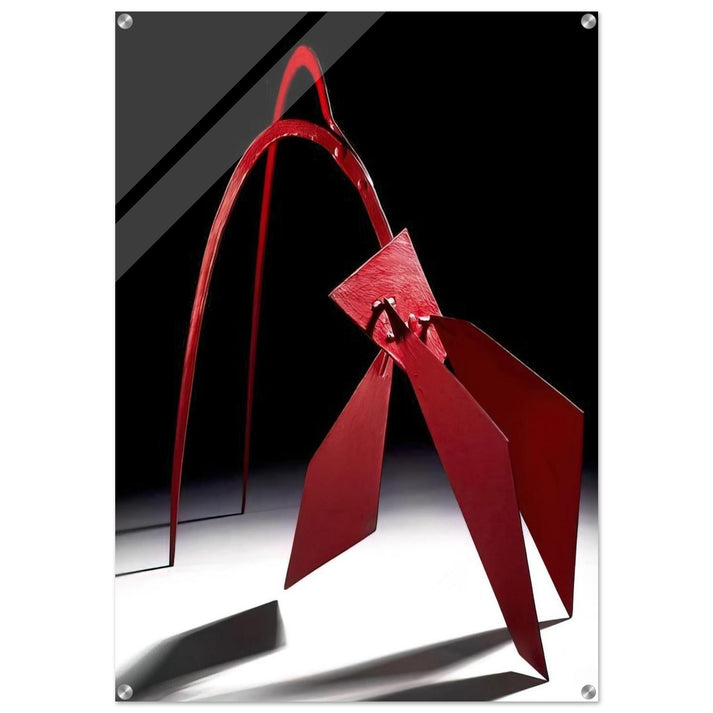
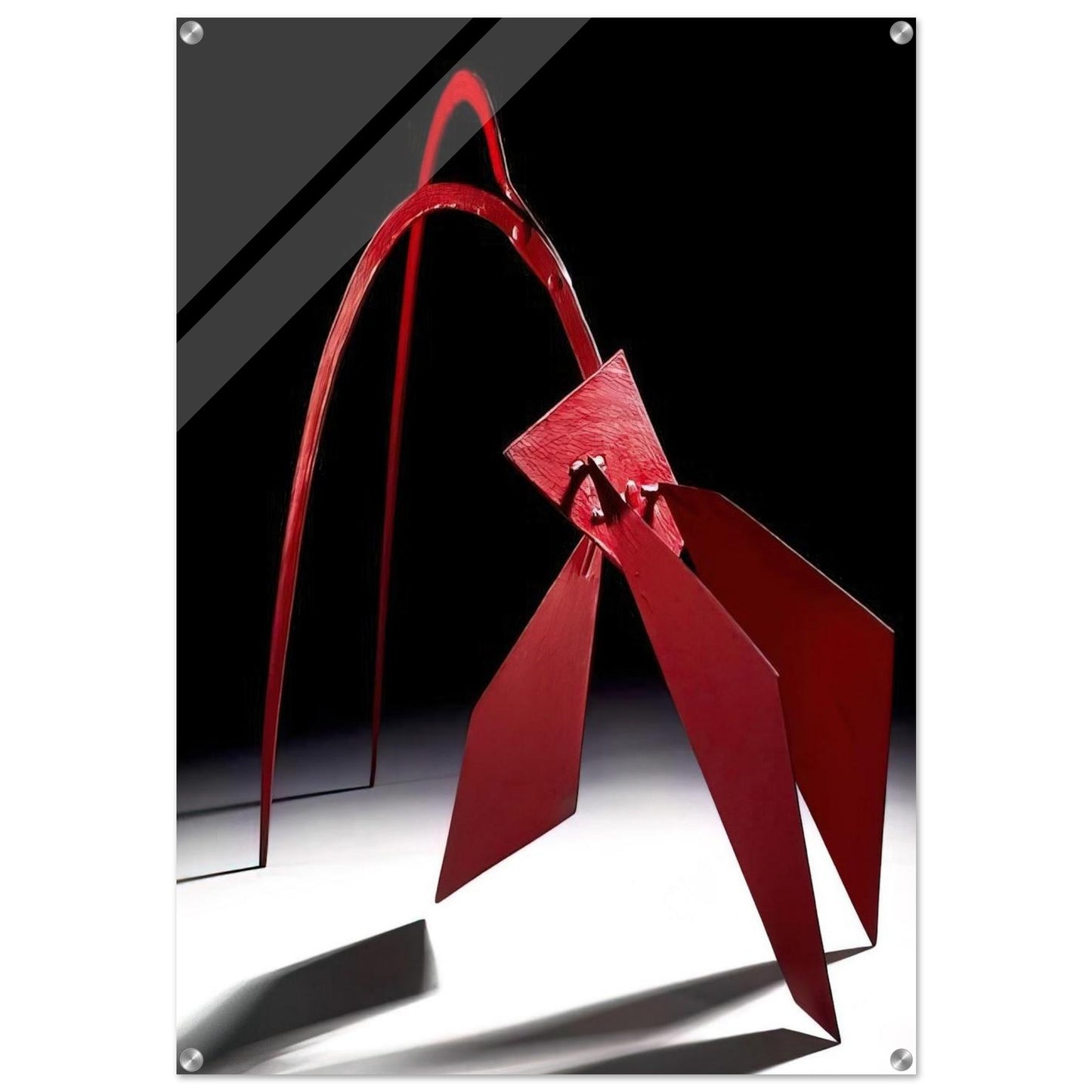
MAQUETTE FOR FLAMINGO 1972 - Alexander Calder Acrylic Print - 70x100 cm / 28x40″ inches
MAQUETTE FOR FLAMINGO 1972 - Alexander Calder Acrylic Print - 70x100 cm / 28x40″ inches
Couldn't load pickup availability
Alexander Calder's Maquette for Flamingo 1972: A Modernist Icon in Acrylic
Own a piece of 20th-century art history with this museum-quality reproduction of Alexander Calder's "Maquette for Flamingo 1972." This vibrant acrylic print captures the playful dynamism of Calder's iconic stabile design, originally conceived for the monumental public sculpture in Chicago. Calder, a pioneer of kinetic art, infused this work with bold geometric forms and a sense of joyful movement, making it a timeless statement piece for contemporary interiors.
RedKalion presents this masterpiece as a premium fine art print on 4mm (0.15") acrylic, ensuring a sleek, durable finish that enhances color vibrancy and depth. With straight-cut corners for a modern aesthetic and dimensions of 70x100 cm (28x40 inches), it arrives ready to display, complete with a hanging kit—including hardware, screws, and pre-drilled screw holes at each corner (14mm/0.55" from the edge, with 8mm/0.31" diameter holes and 15mm/0.6" screw heads). Transparent backgrounds default to white for optimal presentation, allowing the artwork to shine in any setting.
Elevate your space with an archival masterpiece that endures, backed by RedKalion's expertise in curating world-class reproductions. This piece not only honors Calder's legacy but also brings a touch of modernist elegance to your home or office.
Discover Unlimited Art Possibilities
At RedKalion, you can find virtually any artwork from any artist, available in a wide range of sizes to perfectly match your space.
If you didn’t find what you’re looking for, contact us at support@redkalion.com . We will source any artwork and produce it in any size and format you need, including art prints, posters, canvas, framed pieces, framed canvas, and more.
For dedicated art enthusiasts, we also offer handcrafted replicas of any artwork, carefully painted by highly skilled artists using traditional techniques.
For custom requests, contact us at support@redkalion.com .
What is the significance of Alexander Calder's "Maquette for Flamingo 1972"?
This maquette is a preparatory model for Calder's iconic public stabile "Flamingo" in Chicago, showcasing his innovative use of abstract forms and playful movement in modernist sculpture, making it a key piece in 20th-century art history.
How does the acrylic material enhance this fine art print?
The 4mm (0.15") acrylic provides a sleek, vibrant, and durable finish, offering superior color depth and protection compared to traditional paper prints, ideal for a museum-quality reproduction.
What are the dimensions and hanging details for this artwork?
It measures 70x100 cm (28x40 inches) with straight-cut corners and includes a hanging kit: hardware, screws, and pre-drilled screw holes at each corner (14mm/0.55" from edge, 8mm/0.31" diameter, 15mm/0.6" screw heads) for easy installation.
How is shipping handled for this acrylic print?
We ship worldwide with secure packaging to ensure your museum-quality reproduction arrives safely, typically within 5-10 business days, depending on your location.
Is this print archival and long-lasting?
Yes, this acrylic print is designed for archival longevity, resisting fading and damage to preserve Calder's vibrant artwork for years, making it a durable investment in fine art.
What inspired Calder's design for "Flamingo"?
Calder drew inspiration from organic shapes and industrial materials, blending abstraction with whimsy to create large-scale public art that engages viewers with its bold, geometric forms.
Why are transparent backgrounds set to white by default?
Transparent backgrounds default to white for optimal presentation, ensuring the artwork's colors and details stand out clearly in any lighting or decor setting.