RedKalion
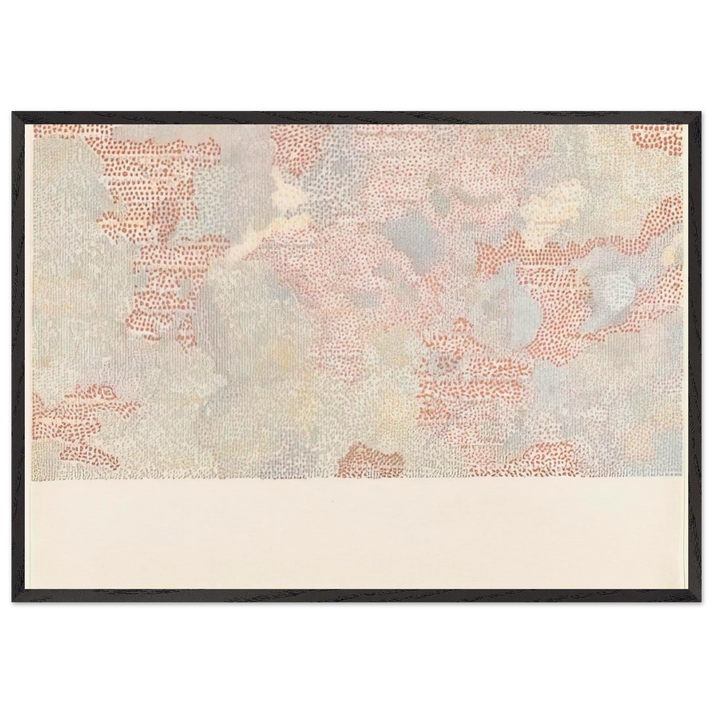
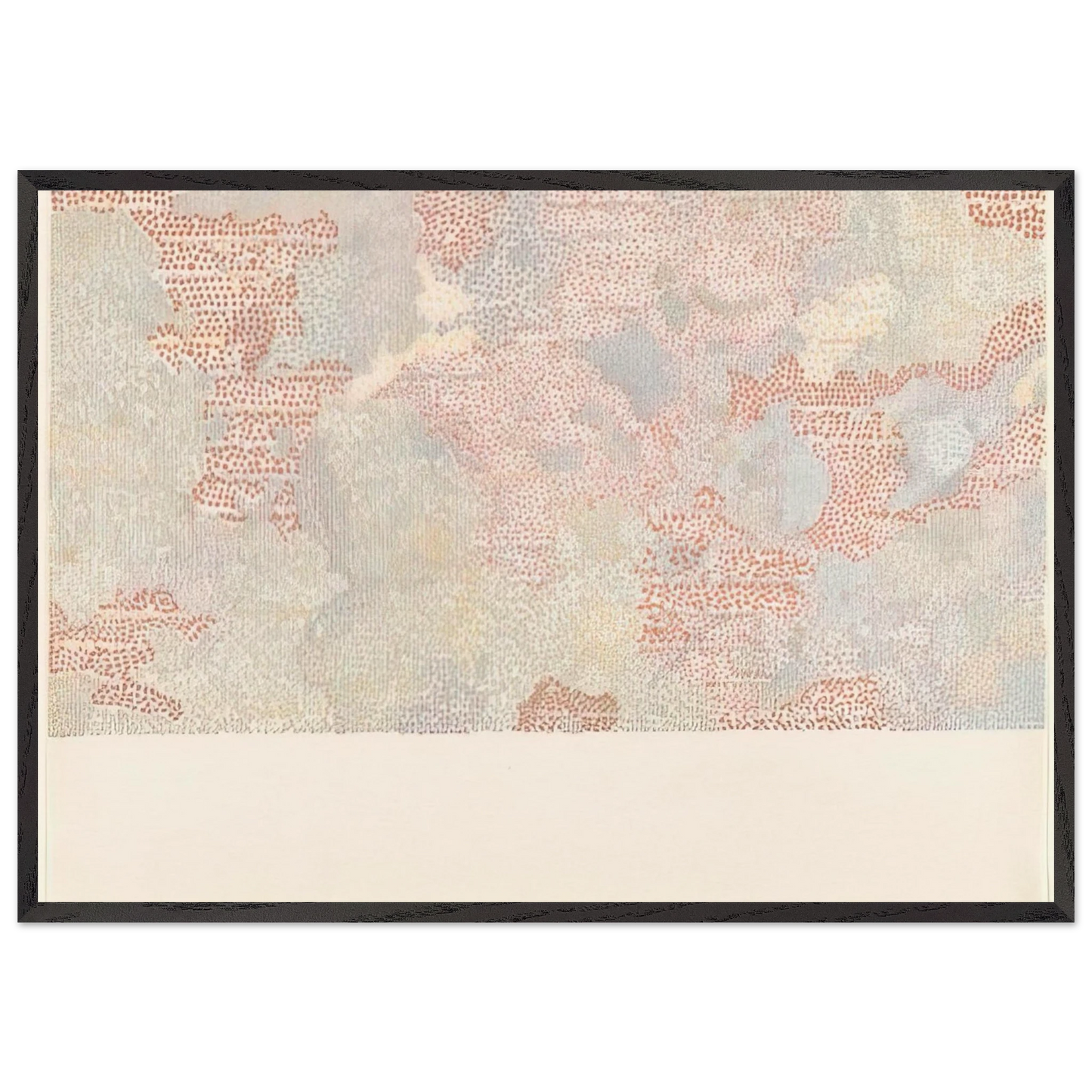
Maskelyne DA Region of the Moon from the series Lunar Maps - 1972 - Nancy Graves 70x100 cm / 28x40 inches Framed Art Print – Black Wooden Frame
Maskelyne DA Region of the Moon from the series Lunar Maps - 1972 - Nancy Graves 70x100 cm / 28x40 inches Framed Art Print – Black Wooden Frame
Couldn't load pickup availability
Maskelyne DA Region of the Moon from the series Lunar Maps - 1972 - Nancy Graves
Elevate your space with a museum-quality framed art print of Nancy Graves' "Maskelyne DA Region of the Moon" from her iconic Lunar Maps series, created in 1972. This archival reproduction captures the intricate, scientific detail and artistic abstraction that defined Graves' groundbreaking work, blending cartography with fine art to explore lunar topography through a modernist lens. Measuring 70x100 cm / 28x40 inches, this piece arrives ready-to-hang in a sophisticated black wooden frame, making it an instant focal point for any room.
Graves, a pioneering figure in post-minimalist art, used NASA lunar photographs as source material to create these maps, challenging traditional boundaries between science and art. Her technique involved layering and reinterpreting data to evoke the moon's mysterious, textured surface, offering a unique perspective that resonates with both astronomy enthusiasts and contemporary art collectors. This print not only honors her innovative spirit but also brings a piece of cosmic history into your home.
At RedKalion, we specialize in premium reproductions that meet the highest archival standards. This framed art print features:
- Frame: Crafted from responsibly sourced oak and ash wood, with a 20mm (0.79") thickness for a bold, modern profile that enhances durability and visual impact.
- Paper: Printed on 250 gsm (110 lb) matte, uncoated, natural white archival museum-quality paper, ensuring vibrant colors and long-lasting resistance to fading.
- Protection: Includes shatterproof plexiglass to safeguard the print while maintaining clarity, paired with sustainable FSC-certified materials for an eco-conscious choice.
Trust in our expertise to deliver a fine art print that combines historical significance with exceptional craftsmanship, perfect for adding depth and intrigue to your interior design.
Discover Unlimited Art Possibilities
At RedKalion, you can find virtually any artwork from any artist, available in a wide range of sizes to perfectly match your space.
If you didn’t find what you’re looking for, contact us at support@redkalion.com . We will source any artwork and produce it in any size and format you need, including art prints, posters, canvas, framed pieces, framed canvas, and more.
For dedicated art enthusiasts, we also offer handcrafted replicas of any artwork, carefully painted by highly skilled artists using traditional techniques.
For custom requests, contact us at support@redkalion.com .
What is the significance of Nancy Graves' "Maskelyne DA Region of the Moon" from the Lunar Maps series?
This artwork, created in 1972, is part of Graves' innovative Lunar Maps series, where she used NASA photographs to blend scientific lunar cartography with abstract art, challenging traditional art-science divides and reflecting post-minimalist trends.
What are the dimensions and framing details of this fine art print?
The print measures 70x100 cm / 28x40 inches and comes ready-to-hang in a black wooden frame made from responsibly sourced oak and ash, with a 20mm thickness for enhanced durability.
What type of paper is used for this museum-quality reproduction?
It uses 250 gsm (110 lb) matte, uncoated, natural white archival museum-quality paper, with a thickness of 0.29 mm (11.4 mils), ensuring longevity and vibrant color reproduction for your framed art print.
How is this print protected and shipped?
The print is protected by shatterproof plexiglass and ships ready-to-hang with a hanging kit, using sustainable FSC-certified materials for safe, eco-friendly delivery.
Is this artwork archival and long-lasting?
Yes, it features archival-grade paper and materials designed to resist fading, making it a durable investment for displaying this lunar map reproduction.
How did Nancy Graves create the Lunar Maps series?
Graves based her Lunar Maps on NASA lunar photographs, using layering and abstraction techniques to reinterpret scientific data into artistic compositions that explore texture and form.
Why is the frame 20mm thick instead of the classic 14mm?
The 20mm (0.79") frame provides a wider, more substantial profile that enhances the artwork's presence and durability, offering a modern aesthetic compared to thinner frames.