RedKalion
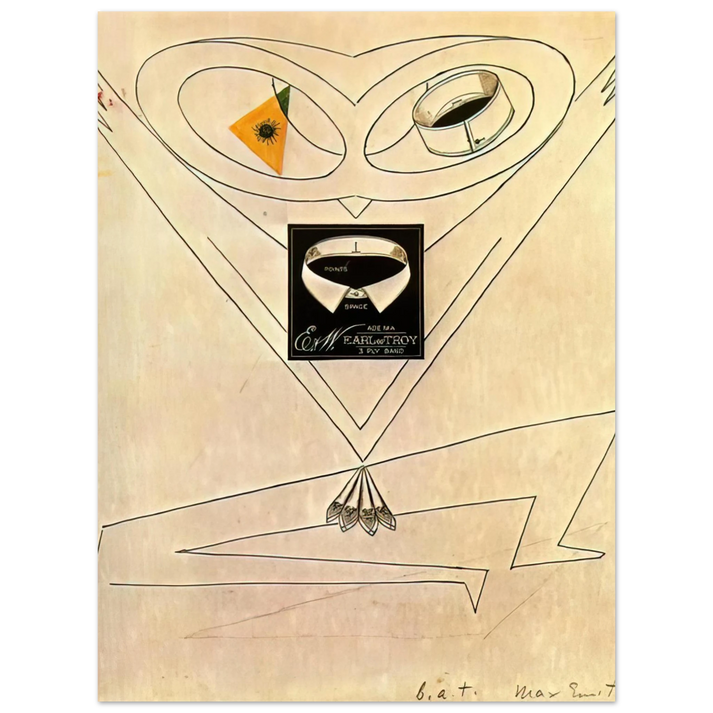
Max Ernst - Dancing Owl 75x100 cm / 30x40inches Fine Art Poster
Max Ernst - Dancing Owl 75x100 cm / 30x40inches Fine Art Poster
Couldn't load pickup availability
Max Ernst - Dancing Owl: A Surrealist Masterpiece
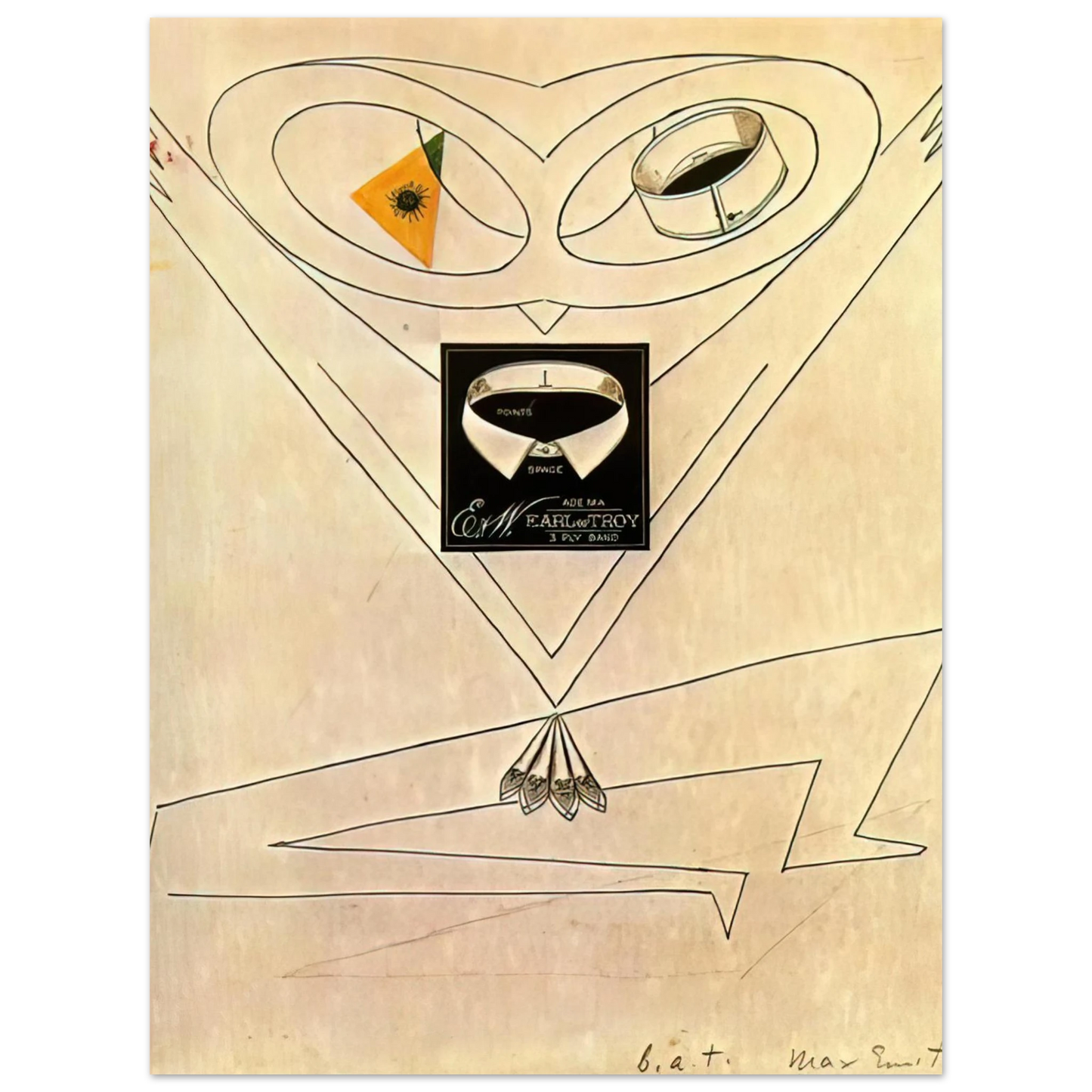
Discover Max Ernst's "Dancing Owl", a captivating fine art print that embodies the whimsical and enigmatic spirit of Surrealism. This museum-quality reproduction captures every intricate detail of Ernst's original work, where the owl—a symbol of wisdom and mystery—is transformed into a dynamic, almost human-like figure in motion. Created during Ernst's prolific period in the mid-20th century, this piece reflects his innovative techniques, such as frottage and grattage, which blurred the lines between reality and dream. The "Dancing Owl" invites viewers into a world of subconscious exploration, making it a perfect centerpiece for any art lover's collection.
At RedKalion, we pride ourselves on curating archival-grade reproductions that honor the artist's vision. Our Master's Edition archival paper ensures this print maintains its vibrancy for generations, with an acid-free composition (pH above 7) to prevent yellowing. The matte, uncoated finish in a natural white hue offers a luxurious texture that enhances the artwork's depth, while the substantial 250 gsm weight (0.29 mm thickness) provides a durable, gallery-worthy feel. Printed on FSC-certified paper, this piece combines aesthetic excellence with environmental responsibility, shipped on demand to your doorstep.
Elevate your space with this fine art poster that measures 75x100 cm (30x40 inches), a statement size that commands attention in any room. Trust RedKalion as your definitive source for premium art prints, where expertise in art history meets uncompromising quality in reproduction.
Discover Unlimited Art Possibilities
At RedKalion, you can find virtually any artwork from any artist, available in a wide range of sizes to perfectly match your space.
If you didn’t find what you’re looking for, contact us at support@redkalion.com . We will source any artwork and produce it in any size and format you need, including art prints, posters, canvas, framed pieces, framed canvas, and more.
For dedicated art enthusiasts, we also offer handcrafted replicas of any artwork, carefully painted by highly skilled artists using traditional techniques.
For custom requests, contact us at support@redkalion.com .
What is the significance of Max Ernst's "Dancing Owl" in art history?
"Dancing Owl" by Max Ernst is a key Surrealist work from the mid-20th century, showcasing his innovative techniques like frottage to explore subconscious themes, making it a valuable addition to any fine art print collection.
What are the specifications of the paper used for this fine art print?
This museum-quality reproduction uses Master's Edition archival paper: matte, uncoated, natural white finish, 250 gsm weight (0.29 mm thickness), acid-free (pH above 7) for longevity, and FSC-certified for sustainability.
How does the archival quality ensure this art print lasts over time?
The acid-free paper (pH above 7) prevents yellowing, and the 250 gsm weight with archival-grade materials ensures this premium art print maintains its color and integrity for decades.
What is the shipping process for this on-demand art poster?
We print and ship this fine art poster on demand with no minimum orders, ensuring fast fulfillment and careful packaging to deliver your museum-quality reproduction securely.
Can you describe the texture and finish of this Max Ernst print?
It features a luxurious matte, uncoated finish on natural white paper, offering a tactile, gallery-like texture that enhances the depth of this Surrealist masterpiece.
What techniques did Max Ernst use in creating "Dancing Owl"?
Ernst employed frottage and grattage, rubbing and scraping techniques to create textured, dream-like effects, adding to the owl's dynamic and mysterious presence in this fine art print.
Why is the owl a recurring symbol in Max Ernst's artwork?
The owl often represents wisdom and the unknown in Ernst's Surrealist works, reflecting his interest in mythology and the subconscious, making "Dancing Owl" a compelling museum-quality reproduction.