

RedKalion
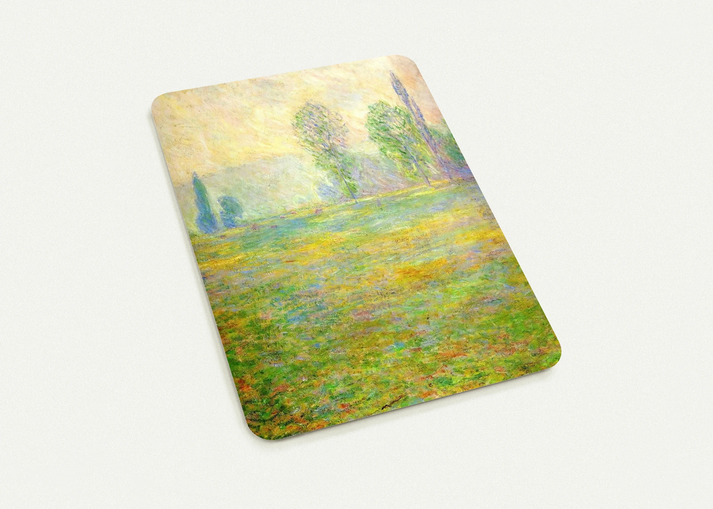
Meadows in Giverny By claude monet Pack of 10 Post Cards | claude monet Post Cards | A6 (10.5 x 14.8 cm) - 4.1 x 5.8 inches
Meadows in Giverny By claude monet Pack of 10 Post Cards | claude monet Post Cards | A6 (10.5 x 14.8 cm) - 4.1 x 5.8 inches
Couldn't load pickup availability
Meadows in Giverny by Claude Monet: A Pack of 10 Post Cards
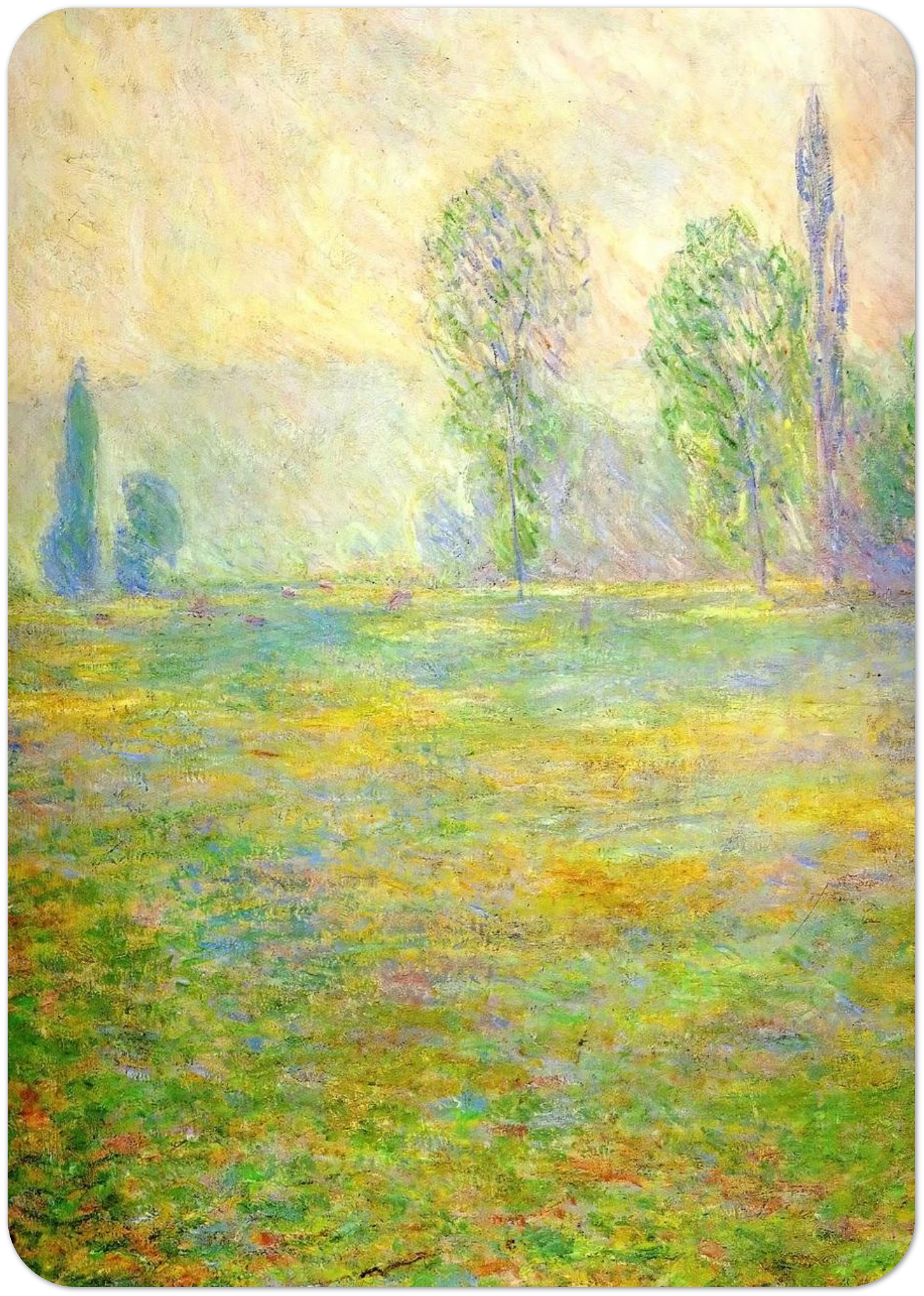
Capture the ephemeral beauty of Impressionist master Claude Monet with this exquisite pack of 10 post cards featuring "Meadows in Giverny." Each A6-sized card (10.5 x 14.8 cm / 4.1 x 5.8 inches) showcases Monet's revolutionary approach to light and color, rendered through RedKalion's museum-quality reproduction techniques. Perfect for art lovers seeking to share a piece of art history, these post cards offer a tangible connection to Monet's iconic garden series.
Art Historical Significance
Painted during Monet's later years in Giverny, "Meadows in Giverny" exemplifies his dedication to capturing the fleeting effects of natural light. This work is part of his celebrated garden series, where he explored the interplay of color and atmosphere through rapid, expressive brushstrokes. A fascinating insight: Monet often painted the same scene at different times of day, creating multiple versions to study how light transformed the landscape—a technique that paved the way for modern abstraction.
Premium Quality & Craftsmanship
RedKalion elevates this fine art print into a durable, archival-grade reproduction. Our 12-color fine art printing technology ensures vivid, accurate colors with stunning depth, surpassing standard 4-color inkjet methods. Each post card features:
- Paper Quality: Printed on 200 gsm (80 lb) FSC-certified paper with a smooth matte finish for a clean, glare-free display.
- Eco-Conscious Materials: Made with environmentally responsible, FSC-certified paper, aligning with sustainable art practices.
- Versatile Use: Ideal for mailing, framing, or as collectible art pieces, with no minimum orders required—printed on demand for freshness.
Elevate your correspondence or decor with these archival post cards, designed to endure and inspire. Trust RedKalion as your premier source for world-class reproductions that honor the artist's original vision.


Discover Unlimited Art Possibilities
At RedKalion, you can find virtually any artwork from any artist, available in a wide range of sizes to perfectly match your space.
If you didn’t find what you’re looking for, contact us at support@redkalion.com . We will source any artwork and produce it in any size and format you need, including art prints, posters, canvas, framed pieces, framed canvas, and more.
For dedicated art enthusiasts, we also offer handcrafted replicas of any artwork, carefully painted by highly skilled artists using traditional techniques.
For custom requests, contact us at support@redkalion.com .
What is the size of each Claude Monet post card in this pack?
Each post card measures A6 size: 10.5 x 14.8 cm (4.1 x 5.8 inches), perfect for standard mailing or framing as miniature fine art prints.
How many post cards are included in the pack?
This pack includes 10 flat post cards featuring Claude Monet's "Meadows in Giverny," ideal for sharing or collecting as museum-quality reproductions.
What type of paper is used for these Monet post cards?
They are printed on 200 gsm (80 lb) FSC-certified paper with a smooth matte finish, ensuring vibrant colors and a glare-free display for archival longevity.
Are these post cards printed on demand?
Yes, these fine art post cards are printed on demand with no minimum orders, guaranteeing fresh, high-quality reproductions every time.
How does the printing technology enhance the color vibrancy?
Our 12-color fine art printing delivers vivid, accurate colors with stunning depth, far beyond standard 4-color inkjet technology, for true-to-original Monet reproductions.
What is the historical context of "Meadows in Giverny" by Claude Monet?
Painted in Monet's later years in Giverny, this work is part of his garden series, showcasing his study of light and color through Impressionist techniques that influenced modern art.
Why did Monet focus on gardens in his later works?
Monet created his garden in Giverny as a living studio, painting it repeatedly to capture changing light and seasons, which allowed him to explore abstraction and atmospheric effects.