
RedKalion
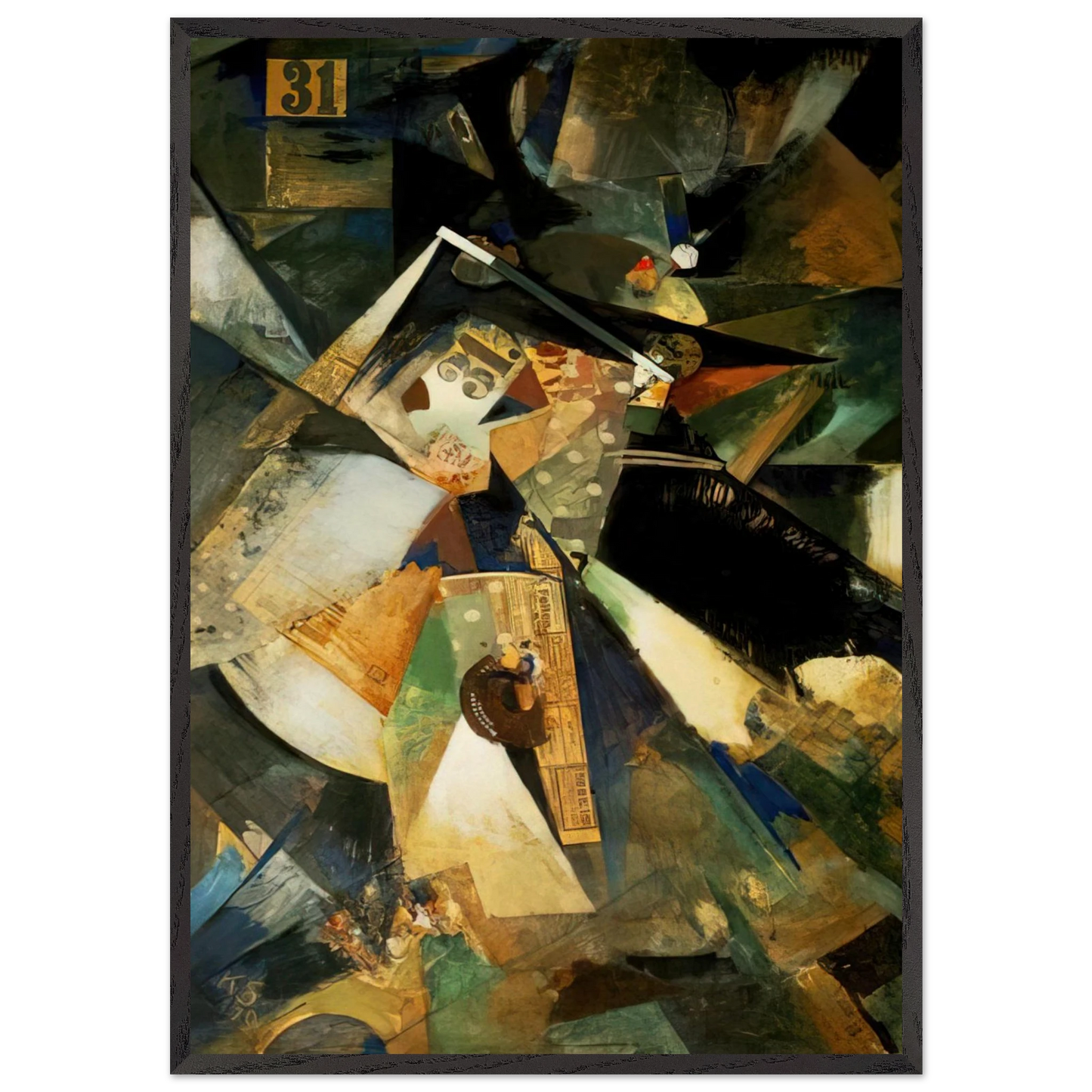
MERZPICTURE THIRTY ONE 1920 - Kurt Schwitters 70x100 cm / 28x40 inches Framed Art Print – Black Wooden Frame
MERZPICTURE THIRTY ONE 1920 - Kurt Schwitters 70x100 cm / 28x40 inches Framed Art Print – Black Wooden Frame
Couldn't load pickup availability
Merzpicture Thirty One 1920 by Kurt Schwitters: A Dadaist Masterpiece
Experience the radical innovation of Kurt Schwitters with this museum-quality framed art print of "Merzpicture Thirty One 1920." This iconic work exemplifies Schwitters' pioneering Merz technique, where he transformed discarded urban debris—ticket stubs, fabric scraps, and printed ephemera—into a cohesive artistic statement. Created in the tumultuous aftermath of World War I, this piece challenges traditional aesthetics and embodies the Dada movement's rebellion against convention, making it a profound addition to any modern art collection.
RedKalion presents this fine art print in a premium black wooden frame, crafted from responsibly sourced oak and ash wood. The frame measures 20mm (0.79") thick and wide, offering a substantial, gallery-worthy presence that enhances the artwork's dynamic composition. Each print is produced on 250 gsm (110 lb) archival museum-quality paper with a matte, uncoated finish and natural white hue, ensuring vibrant color fidelity and longevity. Protection is provided by shatterproof plexiglass, safeguarding your investment while maintaining clarity.
This 70x100 cm / 28x40 inches framed art print arrives ready-to-hang with a complete hanging kit, allowing you to elevate your space immediately with a piece of art history. Trust RedKalion for archival-grade reproductions that honor the artist's vision and endure for generations.
Discover Unlimited Art Possibilities
At RedKalion, you can find virtually any artwork from any artist, available in a wide range of sizes to perfectly match your space.
If you didn’t find what you’re looking for, contact us at support@redkalion.com . We will source any artwork and produce it in any size and format you need, including art prints, posters, canvas, framed pieces, framed canvas, and more.
For dedicated art enthusiasts, we also offer handcrafted replicas of any artwork, carefully painted by highly skilled artists using traditional techniques.
For custom requests, contact us at support@redkalion.com .
What is the historical significance of Merzpicture Thirty One 1920 by Kurt Schwitters?
This artwork is a key example of Schwitters' Merz technique, blending found objects to challenge traditional art during the Dada movement, reflecting post-WWI cultural shifts.
What are the specifications of the paper used for this fine art print?
The print uses 250 gsm (110 lb) archival museum-quality paper with a matte, uncoated finish and natural white color, ideal for vibrant, long-lasting reproductions.
How is the black wooden frame constructed for this ready-to-hang art print?
The frame is made from responsibly sourced oak and ash wood, measuring 20mm (0.79") thick and wide, providing a durable and elegant gallery-style presentation.
Does this framed art print include protection and is it sustainable?
Yes, it features shatterproof plexiglass for protection and uses FSC-certified sustainable paper materials, ensuring an eco-friendly, museum-quality reproduction.
What are the dimensions and shipping details for this Kurt Schwitters print?
The framed print measures 70x100 cm / 28x40 inches and arrives ready-to-hang with a kit; shipping is fast and secure to preserve its archival quality.
How does the Merz technique in this artwork influence its visual appeal?
Schwitters' use of collage with everyday materials creates a textured, layered effect that adds depth and historical context to this Dadaist masterpiece.
Why is this print considered an archival-grade reproduction?
It uses high-weight, acid-free paper and sustainable materials, ensuring resistance to fading and degradation for long-term display as a fine art print.