

RedKalion
Microchromie 70, ZL violet d'Egypte - Fernand Leduc Brushed Aluminum Print - 70x100 cm / 28x40 inches | Fernand Leduc Aluminum Print | Fernand Leduc Prints
Microchromie 70, ZL violet d'Egypte - Fernand Leduc Brushed Aluminum Print - 70x100 cm / 28x40 inches | Fernand Leduc Aluminum Print | Fernand Leduc Prints
Couldn't load pickup availability
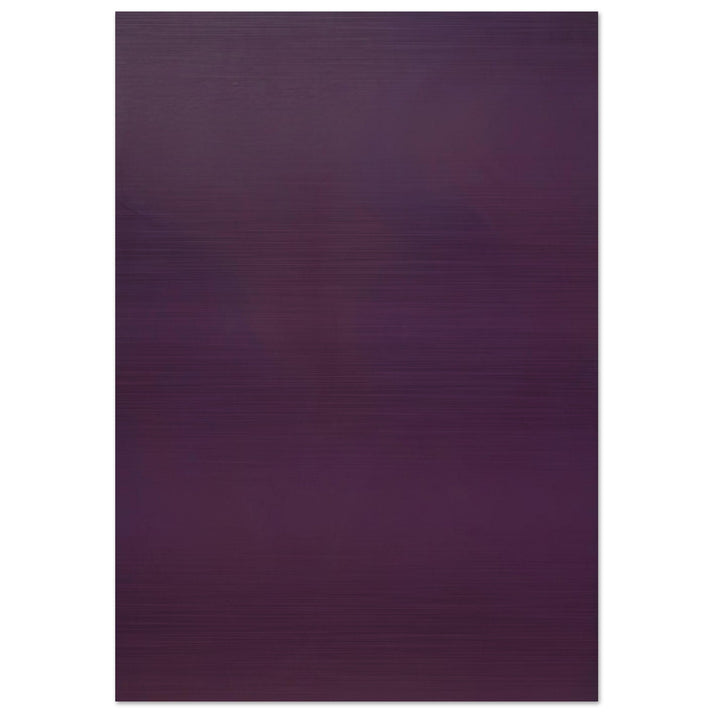
Fernand Leduc 'Microchromie 70, ZL violet d'Egypte' - Museum-Quality Aluminum Print
Immerse yourself in the luminous abstraction of Fernand Leduc's Microchromie 70, ZL violet d'Egypte, a masterpiece from the pioneering Plasticien movement. This fine art print captures Leduc's revolutionary exploration of pure color and geometric form, where the titular 'violet d'Egypte' (Egyptian violet) interacts with subtle chromatic gradations to create a meditative, optical experience. As a leader in Quebec's avant-garde, Leduc developed the Microchromies series to investigate the perceptual effects of color relationships, stripping away representation to focus on light and spatial vibration.
RedKalion presents this iconic work as a premium brushed aluminum print, meticulously reproduced to honor Leduc's precise color theory. Our archival-grade reproduction on 3mm thick Aluminum DIBOND® ensures vibrant, fade-resistant colors with a matte, glare-free finish. The horizontal grain of the brushed silver substrate adds a dynamic texture, while unprinted areas reveal a striking metallic silver effect, enhancing the artwork's modern aesthetic. This Fernand Leduc aluminum print measures 70x100 cm (28x40 inches), making it a bold statement piece for contemporary interiors.
Elevate your space with an archival masterpiece that endures, backed by RedKalion's commitment to museum-quality reproductions. Each print includes a hanging kit for seamless installation, ready to transform any room into a gallery of modern art.


Discover Unlimited Art Possibilities
At RedKalion, you can find virtually any artwork from any artist, available in a wide range of sizes to perfectly match your space.
If you didn’t find what you’re looking for, contact us at support@redkalion.com . We will source any artwork and produce it in any size and format you need, including art prints, posters, canvas, framed pieces, framed canvas, and more.
For dedicated art enthusiasts, we also offer handcrafted replicas of any artwork, carefully painted by highly skilled artists using traditional techniques.
For custom requests, contact us at support@redkalion.com .
What are the dimensions and material of this Fernand Leduc print?
This Fernand Leduc aluminum print measures 70x100 cm (28x40 inches) and is crafted from 3mm thick brushed silver Aluminum DIBOND® with a metallic finish and horizontal grain for a dynamic, durable art piece.
How is the print applied to the aluminum surface?
We use direct printing on AluDibond for vivid colors and a matte finish, with unprinted white areas revealing a striking metallic silver effect in this premium fine art reproduction.
Is a hanging kit included with the aluminum art print?
Yes, a hanging kit is included for easy installation; specific components may vary by fulfillment country to ensure secure mounting.
What makes this a museum-quality reproduction?
This archival-grade print features fade-resistant inks and a 3mm rigid aluminum base, offering long-lasting durability and vibrant color accuracy for a true Fernand Leduc art print.
Can you describe the finish of this brushed aluminum print?
The finish is matte and glare-free, ideal for showcasing black-and-white designs with a striking brushed silver effect that enhances modern decor.
What is the historical significance of 'Microchromie 70, ZL violet d'Egypte'?
This artwork is part of Leduc's Microchromies series from the Plasticien movement, focusing on pure color interactions and geometric abstraction to explore perceptual light effects in mid-20th century avant-garde art.
Why did Fernand Leduc use 'violet d'Egypte' in this piece?
Leduc employed 'violet d'Egypte' (Egyptian violet) for its rich, historical pigment qualities, integrating it into his chromatic studies to create subtle gradations and optical vibrations in his abstract compositions.