RedKalion
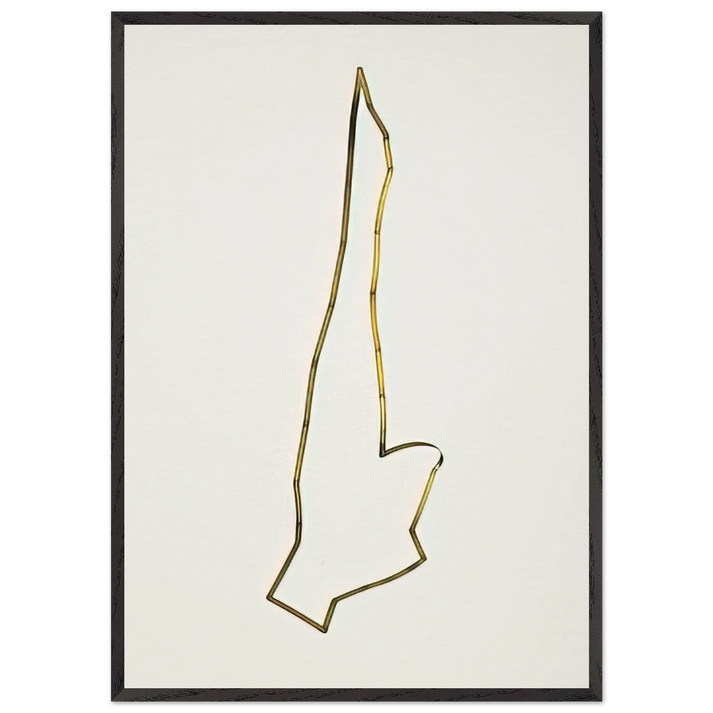
Mobile Articulated Sculpture - 1948 - Gyula Kosice 70x100 cm / 28x40 inches Framed Art Print – Black Wooden Frame
Mobile Articulated Sculpture - 1948 - Gyula Kosice 70x100 cm / 28x40 inches Framed Art Print – Black Wooden Frame
Couldn't load pickup availability
Mobile Articulated Sculpture (1948) by Gyula Kosice
Introducing a museum-quality framed art print of Gyula Kosice's groundbreaking Mobile Articulated Sculpture from 1948. This piece is a seminal work from the Argentine avant-garde movement, showcasing Kosice's pioneering use of kinetic and articulated forms that challenge static art traditions. As a key figure in the Madí group, Kosice infused this sculpture with geometric abstraction and dynamic movement, creating a visual dialogue between art and space. Our premium reproduction captures every intricate detail of this historic artwork, allowing you to bring a piece of 20th-century innovation into your home or office.
This framed art print is meticulously crafted to meet archival standards, ensuring longevity and vibrant presentation. The print is produced on 250 gsm (110 lb) matte, uncoated, natural white paper with a thickness of 0.29 mm (11.4 mils), ideal for fine art reproductions that resist fading. It is protected by shatterproof plexiglass and housed in a black wooden frame made from responsibly sourced oak and ash wood, measuring 20mm (0.79") thick and wide for a robust, modern aesthetic. The frame dimensions are 70x100 cm (28x40 inches), and it comes ready-to-hang with an included hanging kit for immediate display.
At RedKalion, we specialize in archival-grade reproductions that honor the original artist's vision. This print uses FSC-certified sustainable paper or equivalent materials, reflecting our commitment to quality and environmental responsibility. Elevate your space with this iconic piece, a testament to Kosice's legacy in kinetic art, and trust in our expertise to deliver a museum-quality reproduction that endures for generations.

Discover Unlimited Art Possibilities
At RedKalion, you can find virtually any artwork from any artist, available in a wide range of sizes to perfectly match your space.
If you didn’t find what you’re looking for, contact us at support@redkalion.com . We will source any artwork and produce it in any size and format you need, including art prints, posters, canvas, framed pieces, framed canvas, and more.
For dedicated art enthusiasts, we also offer handcrafted replicas of any artwork, carefully painted by highly skilled artists using traditional techniques.
For custom requests, contact us at support@redkalion.com .
What is the historical significance of Gyula Kosice's Mobile Articulated Sculpture from 1948?
This artwork is a key piece from the Argentine avant-garde Madí movement, showcasing Kosice's innovative use of kinetic and articulated forms to challenge traditional static art, blending geometric abstraction with dynamic movement in 20th-century art history.
What details make this a high-quality fine art print?
This museum-quality reproduction uses 250 gsm archival paper with a matte finish and shatterproof plexiglass protection, framed in responsibly sourced black wood, ensuring a durable and vibrant display for your home or office art collection.
What are the specifications of the frame and paper used?
The frame is 20mm thick black wood from oak and ash, and the paper is 250 gsm matte archival museum-quality with FSC-certified sustainable materials, designed for long-lasting fine art prints.
How is this framed art print shipped and installed?
It arrives ready-to-hang with a hanging kit included, securely packaged for safe delivery to enhance your wall decor with minimal setup required for immediate display.
Is this print archival and resistant to fading?
Yes, it uses archival-grade paper and materials to ensure longevity, making it a durable investment for preserving Gyula Kosice's artwork in your personal art collection.
How does Kosice's technique influence the visual impact of this sculpture?
Kosice's articulation and kinetic elements create a sense of movement and interaction, making this piece a dynamic focal point that engages viewers with its innovative geometric design.
What sets RedKalion's reproductions apart from others?
RedKalion combines expert art historical curation with premium materials like sustainable paper and robust framing, offering trusted museum-quality reproductions that honor original artworks.