RedKalion
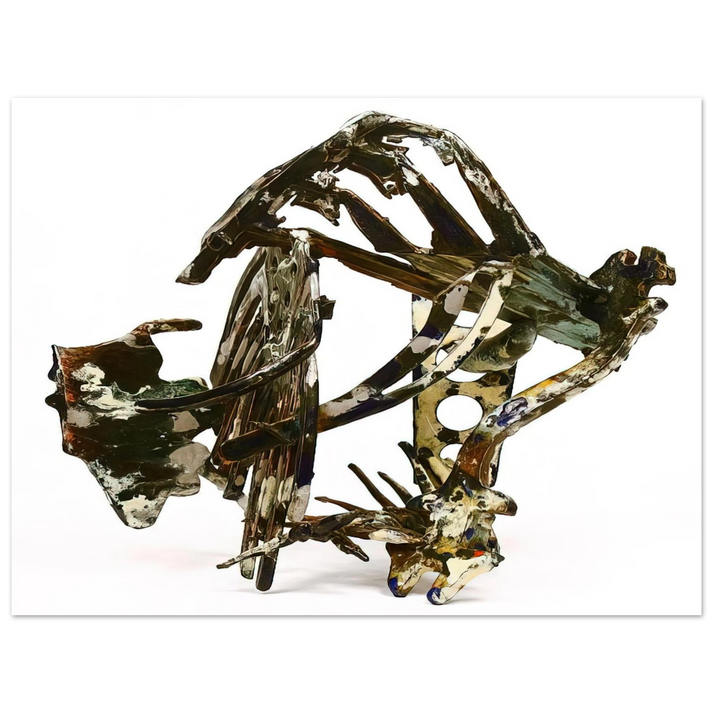
Nancy Graves - WAX WORKS IX 1987 75x100 cm / 30x40inches Fine Art Poster
Nancy Graves - WAX WORKS IX 1987 75x100 cm / 30x40inches Fine Art Poster
Couldn't load pickup availability
Nancy Graves - WAX WORKS IX 1987: A Museum-Quality Fine Art Print
Elevate your space with Nancy Graves' WAX WORKS IX 1987, a masterful archival reproduction that captures the vibrant energy and intricate detail of this iconic contemporary artwork. Measuring 75x100 cm (30x40 inches), this fine art poster brings the bold experimentation of late 20th-century art into your home or office, offering a sophisticated focal point that sparks conversation and inspires creativity.
Graves, a pioneering American artist known for her multidisciplinary approach, created the WAX WORKS series in the 1980s, blending painting, sculpture, and printmaking techniques. WAX WORKS IX exemplifies her innovative use of encaustic (wax-based) pigments and layered textures, resulting in a dynamic composition that plays with color, form, and depth. This piece reflects the postmodern era's embrace of hybridity and material exploration, making it a timeless addition for collectors and design enthusiasts seeking authentic artistic statements.
At RedKalion, we ensure every detail honors the original's integrity. Our Master's Edition archival paper provides a museum-quality reproduction with a matte, uncoated finish in a natural white hue, enhancing the artwork's luxurious texture without glare. Crafted from FSC-certified, acid-free paper (pH above 7), this print resists yellowing over decades, preserving its vivid colors. With a substantial 250 gsm (110 lb) weight and 0.29 mm (11.4 mils) thickness, it feels premium to the touch and is ready for framing. We print and ship on demand with no minimum orders, ensuring a personalized, sustainable acquisition.
Invest in a piece of art history with RedKalion's commitment to excellence. This fine art print is more than a decoration—it's an archival masterpiece that endures, blending historical significance with contemporary elegance.
Discover Unlimited Art Possibilities
At RedKalion, you can find virtually any artwork from any artist, available in a wide range of sizes to perfectly match your space.
If you didn’t find what you’re looking for, contact us at support@redkalion.com . We will source any artwork and produce it in any size and format you need, including art prints, posters, canvas, framed pieces, framed canvas, and more.
For dedicated art enthusiasts, we also offer handcrafted replicas of any artwork, carefully painted by highly skilled artists using traditional techniques.
For custom requests, contact us at support@redkalion.com .
What are the dimensions of the Nancy Graves - WAX WORKS IX 1987 fine art print?
This museum-quality reproduction measures 75x100 cm (30x40 inches), perfect for standard framing and creating a bold statement in any room.
What type of paper is used for this archival print?
We use Master's Edition archival paper, an acid-free (pH above 7), FSC-certified material with a matte, uncoated finish in natural white for a luxurious texture and longevity.
How durable is this fine art poster against aging?
Our acid-free paper prevents yellowing over time, ensuring this archival reproduction maintains its vibrant colors and quality for decades as a lasting investment.
What is the weight and thickness of the paper for this print?
The paper has a premium 250 gsm (110 lb) weight and 0.29 mm (11.4 mils) thickness, offering a sturdy, high-quality feel suitable for framing and display.
How does RedKalion handle shipping and orders for this artwork?
We print and ship on demand with no minimum orders, providing a sustainable, personalized fulfillment process for your fine art poster acquisition.
What artistic techniques did Nancy Graves use in WAX WORKS IX 1987?
Graves employed encaustic (wax-based) pigments and layered textures, blending painting and printmaking to create dynamic color and form in this postmodern piece.
Why is the WAX WORKS series significant in contemporary art history?
The series reflects Graves' innovative multidisciplinary approach in the 1980s, exploring hybridity and materiality, making it a key example of late 20th-century artistic experimentation.