

RedKalion
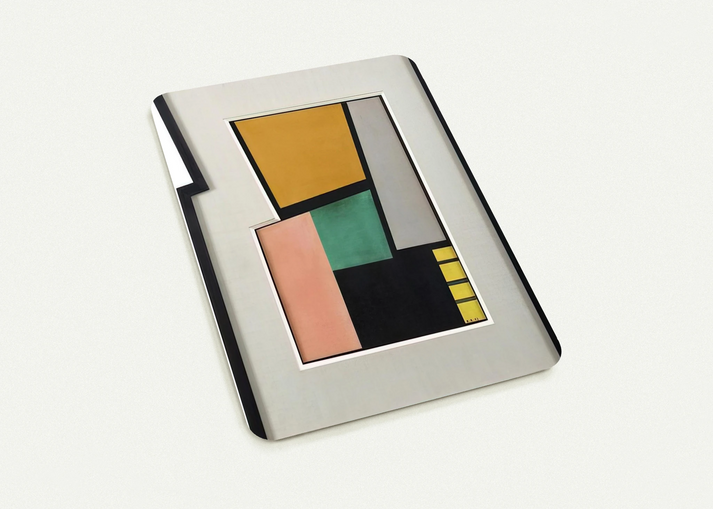
Négal - 1943 By Carmelo Arden Quin Pack of 10 Post Cards | Carmelo Arden Quin Post Cards | A6 (10.5 x 14.8 cm) - 4.1 x 5.8 inches
Négal - 1943 By Carmelo Arden Quin Pack of 10 Post Cards | Carmelo Arden Quin Post Cards | A6 (10.5 x 14.8 cm) - 4.1 x 5.8 inches
Couldn't load pickup availability
Négal - 1943 By Carmelo Arden Quin: A Pack of 10 Post Cards
Experience the avant-garde spirit of Carmelo Arden Quin with this exclusive pack of 10 post cards featuring his seminal 1943 work, "Négal." As a pioneering figure in the Madí movement, Arden Quin revolutionized abstract art with his geometric explorations and bold use of color. This museum-quality reproduction captures the dynamic interplay of shapes and hues that define this iconic piece, making it a perfect way to share art with friends, family, or as a unique collectible.
Each post card in this pack is crafted with RedKalion's premium archival standards, ensuring that the vibrancy and detail of the original artwork are preserved. Printed using our advanced 12-color fine art printing technology, these post cards deliver vivid, accurate colors with stunning depth, far surpassing standard 4-color inkjet prints. The smooth matte finish provides a clean, glare-free display, while the 200 gsm (80 lb) FSC-certified paper offers durability and an eco-friendly touch. At A6 size (10.5 x 14.8 cm or 4.1 x 5.8 inches), they are versatile for framing, mailing, or display.
Did you know? Carmelo Arden Quin co-founded the Madí group in Buenos Aires in the 1940s, advocating for non-representational art that emphasized pure form and color—a radical departure from the figurative traditions of the time. "Négal" exemplifies this philosophy, with its abstract composition inviting endless interpretation. Elevate your correspondence or decor with these archival-grade post cards, a testament to RedKalion's commitment to curating world-class reproductions that endure.
- Pack of 10 Post Cards: Perfect for gifting or personal use.
- Color Vibrancy: 12-color fine art printing for vivid, accurate colors.
- Paper Finishing: Smooth matte finish, glare-free display.
- Paper Weight: 200 gsm (80 lb), thickness: 0.26 mm (10.3 mils).
- Eco-Friendly Materials: Printed on FSC-certified paper.
- Available Sizes: Offered in a variety of sizes to fit any space or frame.
- Printed on Demand: No minimum orders, ensuring freshness and quality.


Discover Unlimited Art Possibilities
At RedKalion, you can find virtually any artwork from any artist, available in a wide range of sizes to perfectly match your space.
If you didn’t find what you’re looking for, contact us at support@redkalion.com . We will source any artwork and produce it in any size and format you need, including art prints, posters, canvas, framed pieces, framed canvas, and more.
For dedicated art enthusiasts, we also offer handcrafted replicas of any artwork, carefully painted by highly skilled artists using traditional techniques.
For custom requests, contact us at support@redkalion.com .
What is the historical significance of "Négal - 1943" by Carmelo Arden Quin?
"Négal" is a key work from 1943 by Carmelo Arden Quin, a founder of the Madí movement, showcasing abstract geometric art that broke from traditional figurative styles in mid-20th century Latin America.
How does the color reproduction compare to the original artwork in these post cards?
Our 12-color fine art printing technology ensures vivid, accurate colors with stunning depth, far exceeding standard 4-color inkjet prints for a museum-quality reproduction of this abstract masterpiece.
What are the specifications of the paper used for these post cards?
Each post card features 200 gsm (80 lb) FSC-certified paper with a smooth matte finish, 0.26 mm thickness, and eco-friendly materials for durable, archival-quality fine art prints.
Can I use these post cards for mailing or are they only for display?
These A6-sized post cards (10.5 x 14.8 cm) are versatile for mailing, framing, or display, made with durable 200 gsm paper to withstand handling while sharing art.
How does RedKalion ensure the longevity of these fine art prints?
We use archival-grade materials and 12-color printing on FSC-certified paper, ensuring long-lasting vibrancy and resistance to fading for premium museum-quality reproductions.
What inspired Carmelo Arden Quin's abstract style in "Négal"?
Arden Quin was influenced by the Madí movement's focus on non-representational art, emphasizing pure geometric forms and bold colors to explore new visual languages in the 1940s.
Are there any special care instructions for these post cards?
Store in a cool, dry place away from direct sunlight to maintain color vibrancy; handle gently to preserve the smooth matte finish of these archival post cards.