RedKalion
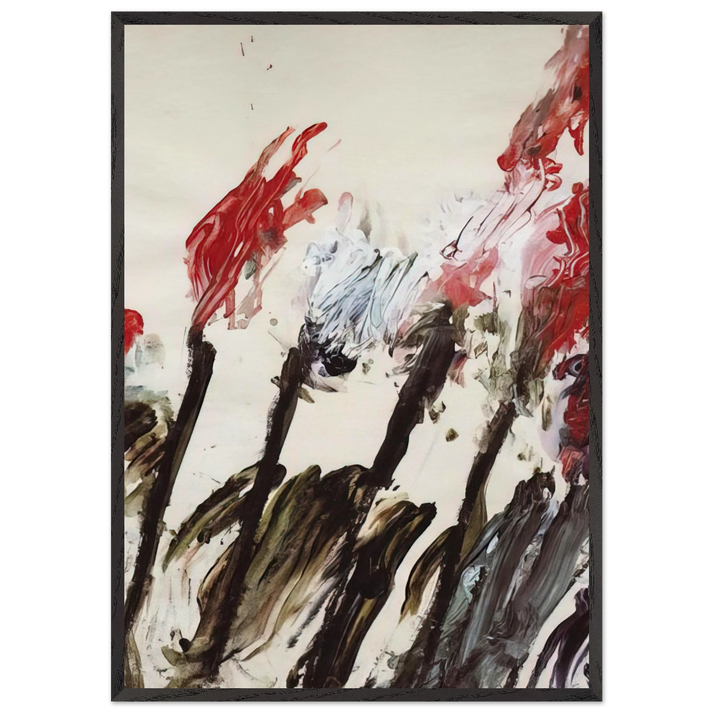
Nicolas Irises - Cy Twombly 70x100 cm / 28x40 inches Framed Art Print – Black Wooden Frame
Nicolas Irises - Cy Twombly 70x100 cm / 28x40 inches Framed Art Print – Black Wooden Frame
Couldn't load pickup availability
Nicolas Irises - Cy Twombly: A Framed Masterpiece
Elevate your space with Cy Twombly's "Nicolas Irises", a museum-quality art print that captures the artist's iconic abstract expressionism. This 70x100 cm / 28x40 inches framed reproduction brings Twombly's poetic scribbles and vibrant floral motifs into your home, evoking a sense of lyrical energy and natural beauty. As a leading figure in post-war art, Twombly's work blends calligraphy, graffiti, and classical references, making this piece a sophisticated statement for modern interiors.
RedKalion presents this archival-grade print with meticulous attention to detail. The artwork is printed on 250 gsm (110 lb) matte, uncoated, natural white paper, ensuring rich color fidelity and a tactile, gallery-like finish. Encased in a responsibly sourced oak and ash wood frame, measuring 20mm thick and wide for a substantial, contemporary presence, this piece is ready-to-hang with an included kit. Shatterproof plexiglass provides durable protection, while FSC-certified materials underscore our commitment to sustainability.
Expert Insight: Twombly often drew inspiration from mythology and nature, using gestural marks to convey emotion rather than literal representation. "Nicolas Irises" reflects his fascination with botanical forms, rendered through spontaneous brushstrokes that invite personal interpretation.
- Dimensions: 70x100 cm / 28x40 inches (framed)
- Frame: Black wooden frame (20mm thick, responsibly sourced oak and ash)
- Paper: 250 gsm, matte, archival museum-quality, FSC-certified
- Protection: Shatterproof plexiglass
- Ready-to-Hang: Includes hanging kit
Trust RedKalion for premium reproductions that honor artistic legacy and endure for generations. This framed art print combines historical significance with superior craftsmanship, offering an elegant addition to any collection.

Discover Unlimited Art Possibilities
At RedKalion, you can find virtually any artwork from any artist, available in a wide range of sizes to perfectly match your space.
If you didn’t find what you’re looking for, contact us at support@redkalion.com . We will source any artwork and produce it in any size and format you need, including art prints, posters, canvas, framed pieces, framed canvas, and more.
For dedicated art enthusiasts, we also offer handcrafted replicas of any artwork, carefully painted by highly skilled artists using traditional techniques.
For custom requests, contact us at support@redkalion.com .
What are the dimensions and framing details of this Cy Twombly print?
This framed art print measures 70x100 cm / 28x40 inches, featuring a 20mm thick black wooden frame made from responsibly sourced oak and ash, wider than classic frames for a modern look.
What type of paper is used for this museum-quality reproduction?
It uses 250 gsm (110 lb) matte, uncoated, natural white archival paper, ideal for fine art prints with excellent color reproduction and durability.
Is this framed print ready to hang, and what protection does it include?
Yes, it comes ready-to-hang with a kit and features shatterproof plexiglass to protect the print from damage while ensuring safety.
How sustainable are the materials in this framed art print?
We use FSC-certified or equivalent sustainable paper and responsibly sourced wood for the frame, aligning with eco-friendly practices.
What is the significance of Cy Twombly's "Nicolas Irises" in art history?
"Nicolas Irises" showcases Twombly's abstract expressionist style, blending calligraphic marks with floral themes to evoke emotion and mythological references from the post-war era.
How does the 20mm frame compare to standard frames?
At 20mm thick and wide, it's more substantial than the classic 14mm frame, offering a bold, contemporary aesthetic that enhances the artwork's presence.
Why is matte, uncoated paper preferred for fine art prints?
Matte, uncoated paper reduces glare, provides a tactile feel, and ensures archival longevity, making it ideal for museum-quality reproductions like this one.