

RedKalion
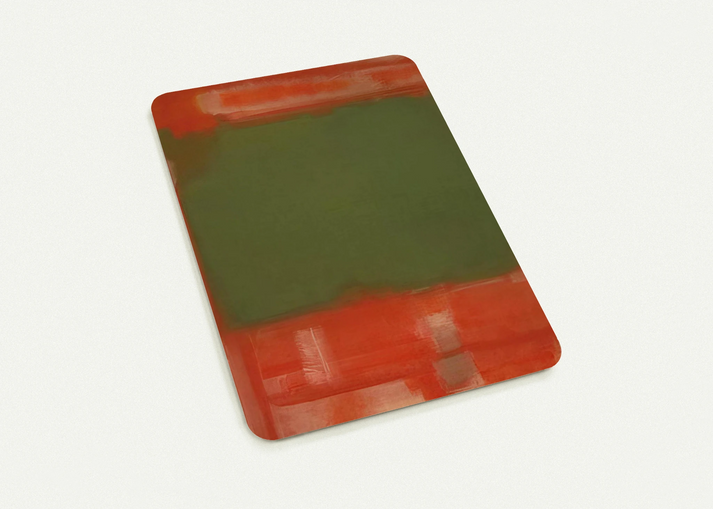
No.24 - 1949 By Mark Rothko Pack of 10 Post Cards | Mark Rothko Post Cards | A6 (10.5 x 14.8 cm) - 4.1 x 5.8 inches
No.24 - 1949 By Mark Rothko Pack of 10 Post Cards | Mark Rothko Post Cards | A6 (10.5 x 14.8 cm) - 4.1 x 5.8 inches
Couldn't load pickup availability
No.24 - 1949 By Mark Rothko Pack of 10 Post Cards
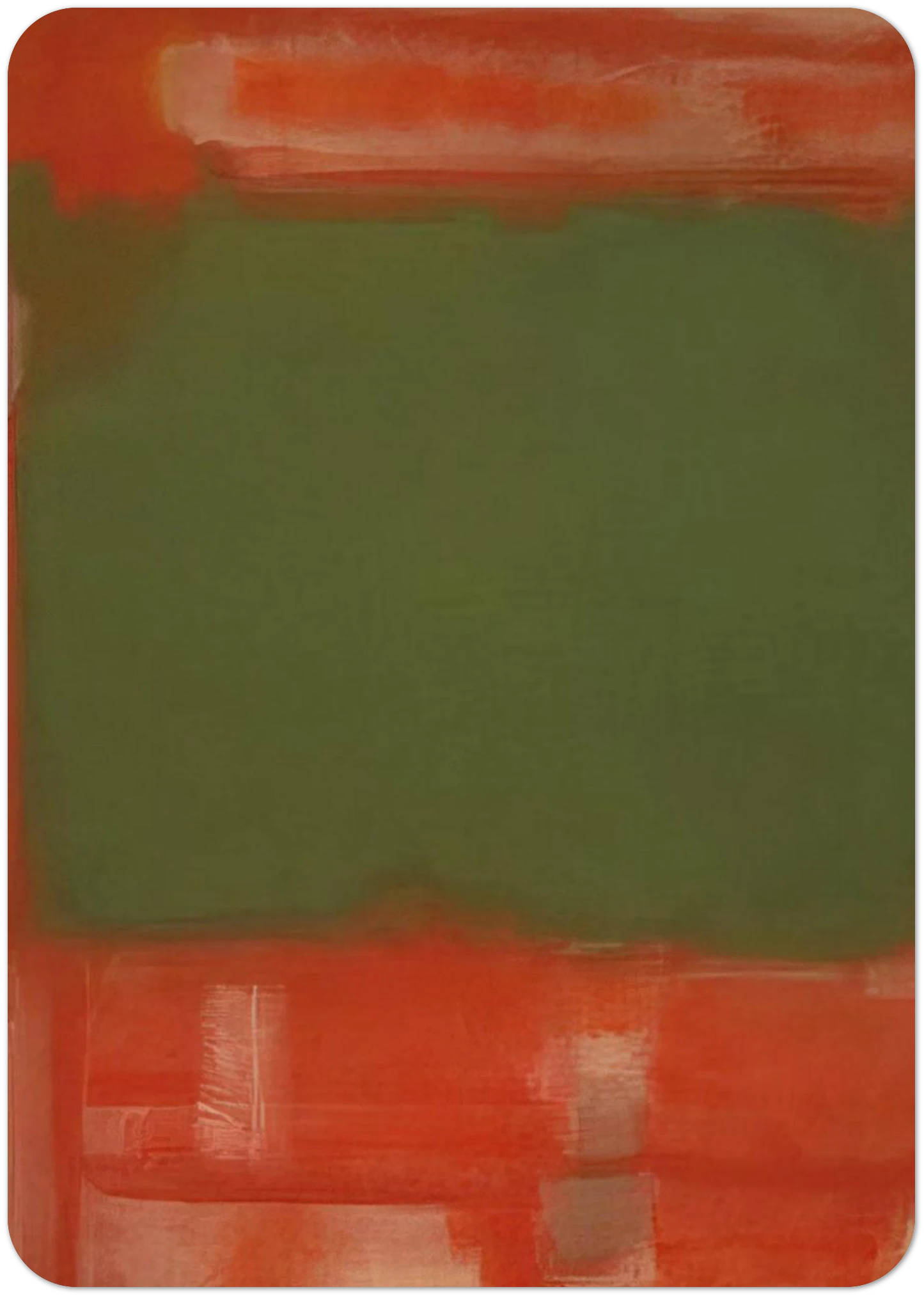
Immerse yourself in the profound emotional resonance of Mark Rothko's iconic No.24 - 1949 with this exclusive pack of 10 museum-quality post cards from RedKalion. This fine art reproduction captures the essence of Rothko's Color Field masterpiece, where luminous, layered hues of orange, yellow, and subtle earth tones interact to evoke contemplation and transcendence. Created during Rothko's pivotal post-war period, this work exemplifies his revolutionary approach to abstraction, using color as a direct conduit to human emotion.
Each post card in this pack is a testament to our commitment to archival excellence. Utilizing 12-color fine art printing technology, we achieve vibrant, accurate colors with stunning depth that surpasses standard 4-color inkjet methods. Printed on FSC-certified, eco-friendly paper with a smooth matte finish (200 gsm / 80 lb weight, 0.26 mm thickness), these A6-sized cards (10.5 x 14.8 cm / 4.1 x 5.8 inches) offer a glare-free display perfect for sharing artful sentiments. As a trusted curator of premium reproductions, RedKalion ensures every detail—from the color vibrancy to the paper quality—reflects the integrity of Rothko's original vision.
Elevate your correspondence or create a unique collection with these flat post cards, ideal for gifting, framing, or artistic inspiration. Printed on demand with no minimum orders, this pack allows you to bring a piece of art history into everyday moments with confidence and sophistication.


Discover Unlimited Art Possibilities
At RedKalion, you can find virtually any artwork from any artist, available in a wide range of sizes to perfectly match your space.
If you didn’t find what you’re looking for, contact us at support@redkalion.com . We will source any artwork and produce it in any size and format you need, including art prints, posters, canvas, framed pieces, framed canvas, and more.
For dedicated art enthusiasts, we also offer handcrafted replicas of any artwork, carefully painted by highly skilled artists using traditional techniques.
For custom requests, contact us at support@redkalion.com .
What are the specifications of the Mark Rothko No.24 - 1949 post cards?
Each post card measures A6 (10.5 x 14.8 cm / 4.1 x 5.8 inches), with a smooth matte finish, 200 gsm (80 lb) weight, and 0.26 mm thickness, printed using 12-color fine art technology on FSC-certified paper for vibrant, archival-quality reproductions.
How does the printing technology ensure color accuracy for Rothko's artwork?
Our 12-color fine art printing delivers vivid, accurate colors with stunning depth, far beyond standard 4-color inkjet, capturing the luminous hues and emotional depth of Rothko's Color Field masterpiece.
Are these post cards eco-friendly and what is the paper quality?
Yes, they are printed on environmentally conscious, FSC-certified paper with a 200 gsm weight and smooth matte finish, ensuring a durable, glare-free display for museum-quality fine art prints.
What is the shipping and ordering process for this pack of post cards?
These post cards are printed on demand with no minimum orders, and we offer reliable shipping to deliver your archival-grade reproductions promptly and securely.
How long will the colors and paper last in these post cards?
Made with archival-quality materials and 12-color printing, these post cards are designed for longevity, resisting fading to preserve Rothko's vibrant colors for years.
What is the historical significance of Mark Rothko's No.24 - 1949?
Created in 1949, this work is part of Rothko's pivotal Color Field period, using layered hues to evoke deep emotional and spiritual responses, revolutionizing abstract art.
Can you describe the color palette and technique in No.24 - 1949?
Rothko employed luminous oranges, yellows, and earth tones with soft edges and layered glazes, creating a meditative, immersive experience that defines his signature style.