RedKalion
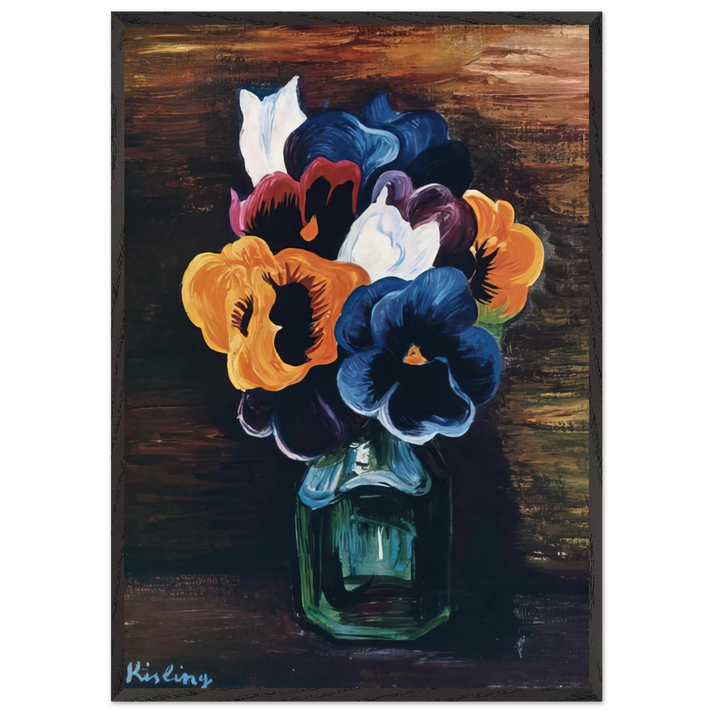
NOT IDENTIFIED 14 - Moise Kisling 70x100 cm / 28x40 inches Framed Art Print – Black Wooden Frame
NOT IDENTIFIED 14 - Moise Kisling 70x100 cm / 28x40 inches Framed Art Print – Black Wooden Frame
Couldn't load pickup availability
Moise Kisling 'NOT IDENTIFIED 14' Framed Art Print
Discover the enigmatic allure of Moise Kisling's 'NOT IDENTIFIED 14', a captivating fine art print that embodies the vibrant spirit of the School of Paris. This museum-quality reproduction, measuring 70x100 cm (28x40 inches), is presented in a sophisticated black wooden frame, ready to elevate any interior with its timeless elegance and artistic depth.
Kisling, a Polish-born painter who flourished in early 20th-century Montparnasse, was renowned for his bold, expressive portraits and still lifes that blended Cubist influences with a lyrical, colorful palette. 'NOT IDENTIFIED 14' showcases his masterful technique—likely a study in form and emotion—where dynamic brushstrokes and rich hues create a mood of introspection and modern vitality. This piece is not just a decoration; it's a slice of art history, offering a glimpse into the bohemian avant-garde that defined an era.
At RedKalion, we curate only the highest standard reproductions. This framed art print features:
- Archival-Grade Paper: Printed on 250 gsm (110 lb) matte, uncoated paper with a natural white finish and 0.29 mm thickness, ensuring durability and true color fidelity.
- Premium Black Wooden Frame: Crafted from responsibly sourced oak and ash wood, with a substantial 20mm (0.79") thickness for a bold, gallery-worthy presence.
- Protective Plexiglass: Shatterproof plexiglass safeguards the print from dust and damage, while maintaining clarity.
- Sustainable Materials: Made with FSC-certified or equivalent paper, reflecting our commitment to eco-conscious artistry.
- Ready-to-Hang: Includes a hanging kit for immediate display, transforming your space with ease.
Elevate your home or office with this archival masterpiece from RedKalion—where expertise meets enduring beauty. Each print is a testament to our dedication to preserving artistic legacy through superior craftsmanship.

Discover Unlimited Art Possibilities
At RedKalion, you can find virtually any artwork from any artist, available in a wide range of sizes to perfectly match your space.
If you didn’t find what you’re looking for, contact us at support@redkalion.com . We will source any artwork and produce it in any size and format you need, including art prints, posters, canvas, framed pieces, framed canvas, and more.
For dedicated art enthusiasts, we also offer handcrafted replicas of any artwork, carefully painted by highly skilled artists using traditional techniques.
For custom requests, contact us at support@redkalion.com .
What are the dimensions of this Moise Kisling framed art print?
The print measures 70x100 cm (28x40 inches), framed in a black wooden frame that is 20mm (0.79") thick and wide, providing a substantial, gallery-style presence.
What type of paper is used for this museum-quality reproduction?
It uses 250 gsm (110 lb) matte, uncoated archival paper with a natural white finish and 0.29 mm thickness, ideal for fine art prints and long-term preservation.
Is this framed print ready to hang upon delivery?
Yes, it includes a hanging kit and is ready-to-hang directly on your wall, making installation simple and immediate for your home or office decor.
How does the frame protect and enhance the art print?
The frame is made from responsibly sourced oak and ash wood with shatterproof plexiglass, offering durable protection while adding a sleek, modern black finish.
Is this art print made with sustainable materials?
Yes, it features FSC-certified or equivalent sustainable paper, ensuring an eco-friendly choice for your fine art collection.
Who was Moise Kisling and what is the significance of 'NOT IDENTIFIED 14'?
Moise Kisling was a Polish-born painter active in the School of Paris, known for vibrant, expressive works. 'NOT IDENTIFIED 14' likely reflects his Cubist-inspired style, capturing the bohemian energy of early 20th-century art.
What artistic techniques are evident in this Kisling print?
The print showcases Kisling's use of bold brushstrokes and rich colors, blending Cubist forms with lyrical emotion, typical of his portraits and still lifes from the Montparnasse era.