

RedKalion
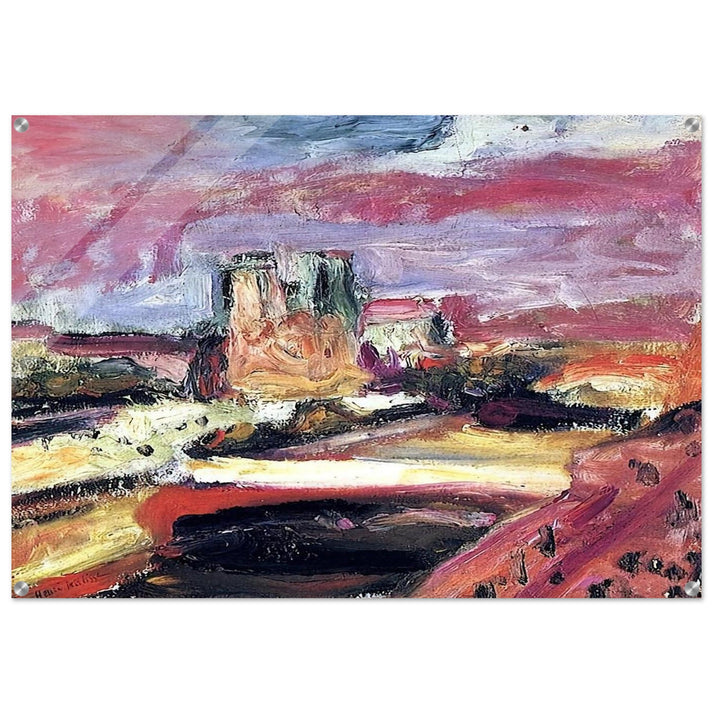
NOTRE DAME 1904 - Henri Matisse Acrylic Print - 70x100 cm / 28x40″ inches
NOTRE DAME 1904 - Henri Matisse Acrylic Print - 70x100 cm / 28x40″ inches
Couldn't load pickup availability
Notre Dame 1904 by Henri Matisse: A Fauvist Masterpiece Reimagined
Experience the revolutionary vision of Henri Matisse with our museum-quality acrylic print of Notre Dame 1904. This iconic work captures the Parisian landmark through Matisse's pioneering Fauvist lens, where bold, non-naturalistic colors and expressive brushstrokes redefine artistic perception. Painted during a transformative period in modern art, this piece embodies the emotional intensity and chromatic innovation that made Matisse a leader of the avant-garde.
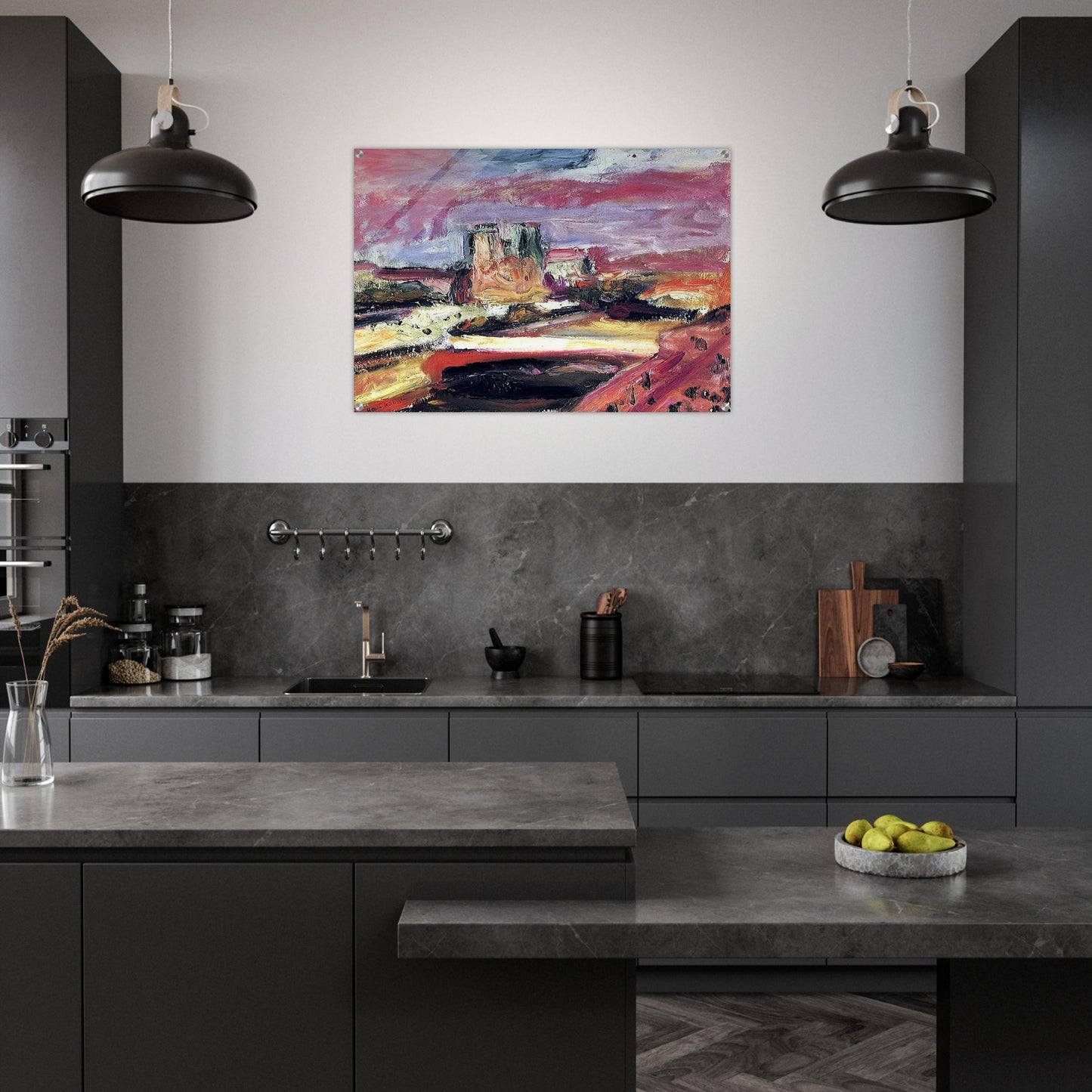
RedKalion presents this archival reproduction on 4mm (0.15\") premium acrylic, ensuring exceptional vibrancy and durability. The sleek, straight-cut corners and modern finish complement contemporary interiors, while the transparent background defaults to white for optimal display. Each print includes a complete hanging kit with hardware, screws, and pre-drilled holes (14mm from the edge, 8mm diameter) for effortless installation.
Measuring 70x100 cm / 28x40\" inches, this fine art print offers a striking focal point for any space. Elevate your home or office with a piece that bridges historical significance and modern craftsmanship, backed by RedKalion's commitment to archival-grade reproductions.


Discover Unlimited Art Possibilities
At RedKalion, you can find virtually any artwork from any artist, available in a wide range of sizes to perfectly match your space.
If you didn’t find what you’re looking for, contact us at support@redkalion.com . We will source any artwork and produce it in any size and format you need, including art prints, posters, canvas, framed pieces, framed canvas, and more.
For dedicated art enthusiasts, we also offer handcrafted replicas of any artwork, carefully painted by highly skilled artists using traditional techniques.
For custom requests, contact us at support@redkalion.com .
What is the historical significance of Notre Dame 1904 by Henri Matisse?
Painted during the early Fauvist movement, this artwork showcases Matisse's revolutionary use of bold, non-naturalistic colors to evoke emotion, marking a departure from traditional representation and influencing modern art.
What materials are used in this acrylic print?
This museum-quality reproduction features 4mm (0.15\") acrylic for a vibrant, durable finish with straight-cut corners and a modern design, ensuring long-lasting color fidelity.
How is the print shipped and installed?
It includes a complete hanging kit with hardware, screws, and pre-drilled holes (14mm from edge, 8mm diameter) for easy wall mounting, shipped securely to protect the acrylic surface.
Is this print archival and fade-resistant?
Yes, our archival-grade acrylic print is designed to resist fading and environmental damage, preserving the vivid colors and details for years in indoor settings.
What are the dimensions of this artwork?
The print measures 70x100 cm / 28x40\" inches, making it an ideal size for prominent display in homes, offices, or galleries as a fine art reproduction.
Why did Matisse choose such bold colors for Notre Dame 1904?
Matisse used intense hues to express emotional response over realism, part of the Fauvist emphasis on color as an independent element to convey mood and energy.
Can the transparent background be customized?
By default, transparent backgrounds are set to white for optimal presentation, enhancing the artwork's visual impact without additional customization options.